


Magazine
Self-Made mindset beyond business: Hajnalka Somogyi
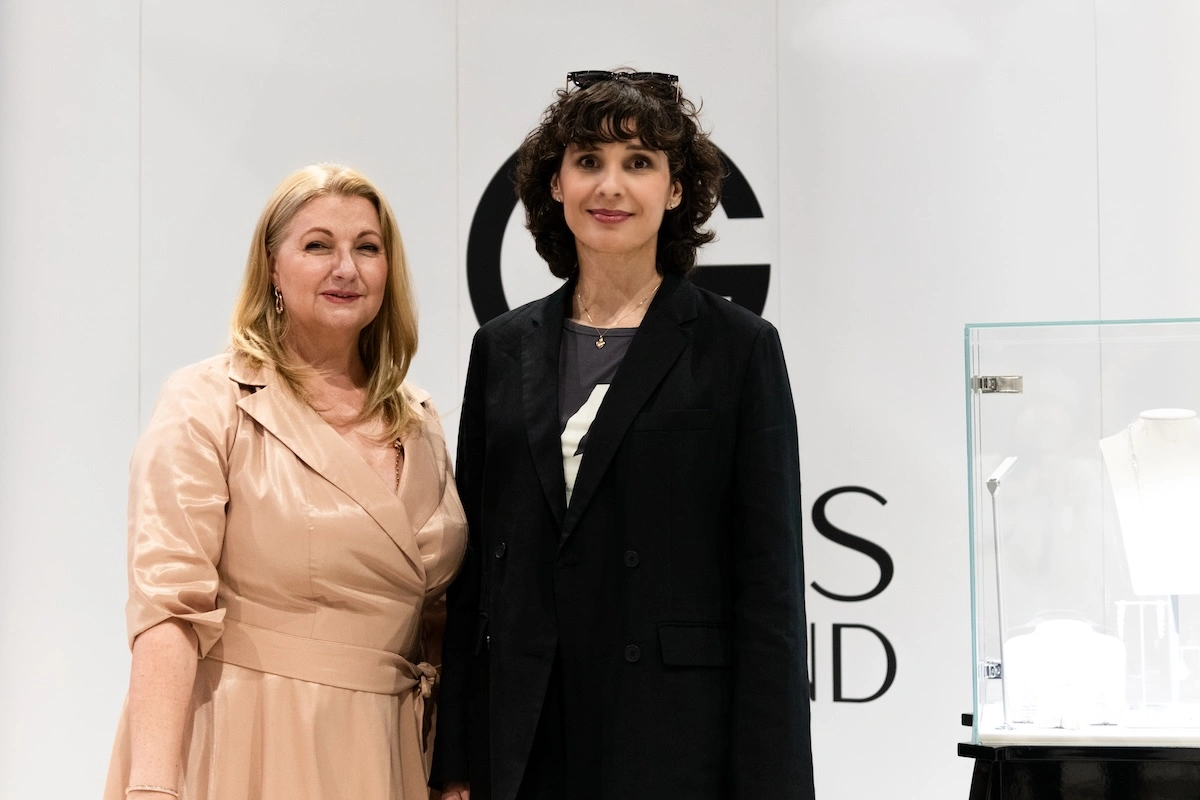
Each year, the Forbes Selfmade Award honours women who have built something meaningful through their own vision, determination and perseverance. This year's award went to Hajnalka Somogyi, whose career demonstrates that being self-made extends far beyond the world of business.
Each year, the Forbes Selfmade Award honours women who have built something meaningful through their own vision, determination and perseverance. This year's award went to Hajnalka Somogyi, whose career demonstrates that being self-made extends far beyond the world of business.
Today, Hajnalka Somogyi is recognised as one of the defining figures of Hungary's contemporary art scene. Yet her story is about far more than a successful career in curating. It is about rethinking established models, bringing people together, and creating lasting impact on the country's cultural landscape.
Forbes Selfmade Award powered by Moni's Diamond
This year marked the seventh edition of the Forbes Power Wo/men's Summit, followed by the Forbes Power Women Gala in the evening. One of the highlights of the event was the presentation of the awards.
Forbes Selfmade Award powered by Moni's Diamond celebrates women who have created lasting impact through their own initiative, courage and commitment. It recognises not only what they have achieved, but also the determination, resilience and bold decisions that made those achievements possible. In 2026, the award was presented to Hajnalka Somogyi, Founding Director of OFF-Biennale Budapest.
Breaking with convention
From the very beginning of her career, it was clear that Hajnalka Somogyi was never interested in following conventional paths. In her twenties, she became Director of Trafó Gallery before going on to become the first Hungarian to earn a master's degree from the Bard College Center for Curatorial Studies in New York, one of the world's leading institutions for curatorial practice.
She funded her studies herself, making considerable personal sacrifices because she believed the international experience would one day help bring new perspectives to Hungary's cultural sector.
After returning to Hungary, she worked as a curator at the Ludwig Museum, served as an editor of Artmagazin, and contributed to the launch of several independent art initiatives. She had every opportunity to build a career within established cultural institutions. Instead, she chose a different path.
Rather than developing an existing institution, she set out to create an independent model that would offer greater creative freedom while opening the door to new voices, new ideas and new forms of collaboration within contemporary art.
Building something new
Founded in 2014, OFF-Biennale Budapest challenged the traditional institutional model from the very beginning. Instead of being centred around a single museum or exhibition space, it was built on collaboration between artists, curators, civil organisations and international partners.
The ambition was never simply to organise exhibitions. The goal was to create an open platform where contemporary art could spark meaningful conversations around social, cultural and environmental issues.
Over the past decade, OFF-Biennale has grown into one of Hungary's leading independent contemporary art initiatives. More importantly, it has fostered a professional community whose work is now recognised well beyond Hungary's borders.
International recognition
Hajnalka Somogyi's work has earned widespread recognition within the international art world.
In 2025, OFF-Biennale Budapest received the Pro Cultura Urbis Award, while Hajnalka Somogyi was named to the ArtReview Power 100, the annual list of the world's most influential figures in contemporary art. She also teaches at Budapest Metropolitan University and regularly contributes to international curatorial collaborations and professional projects.
Awards, however, tell only part of the story. Her greatest achievement may well be the independent cultural model she has built — one that has proved sustainable over time and continues to inspire artists, curators and cultural professionals alike.
Self-Made mindset beyond business
The Forbes Selfmade Award powered by Moni's Diamond is about more than entrepreneurial success. It recognises people who challenge convention, create new opportunities, build communities and leave a lasting mark on their field.
By founding OFF-Biennale Budapest, Hajnalka Somogyi did far more than launch a new art event. She created an independent model that has become a defining force in Hungary's contemporary art scene while earning recognition on the international stage.
Her career is a reminder that being self-made is not defined by business success alone. Culture, too, is shaped by people who recognise opportunities where others see limitations, who are willing to think differently, and who create lasting value through vision, persistence and the courage to do things their own way.
(Image: Hooh Studio)

Located just a few steps from St. Stephen’s Basilica, Moni’s Diamond jewelry store welcomes those who are not simply looking for jewelry, but for meaning, emotion, and timeless value.
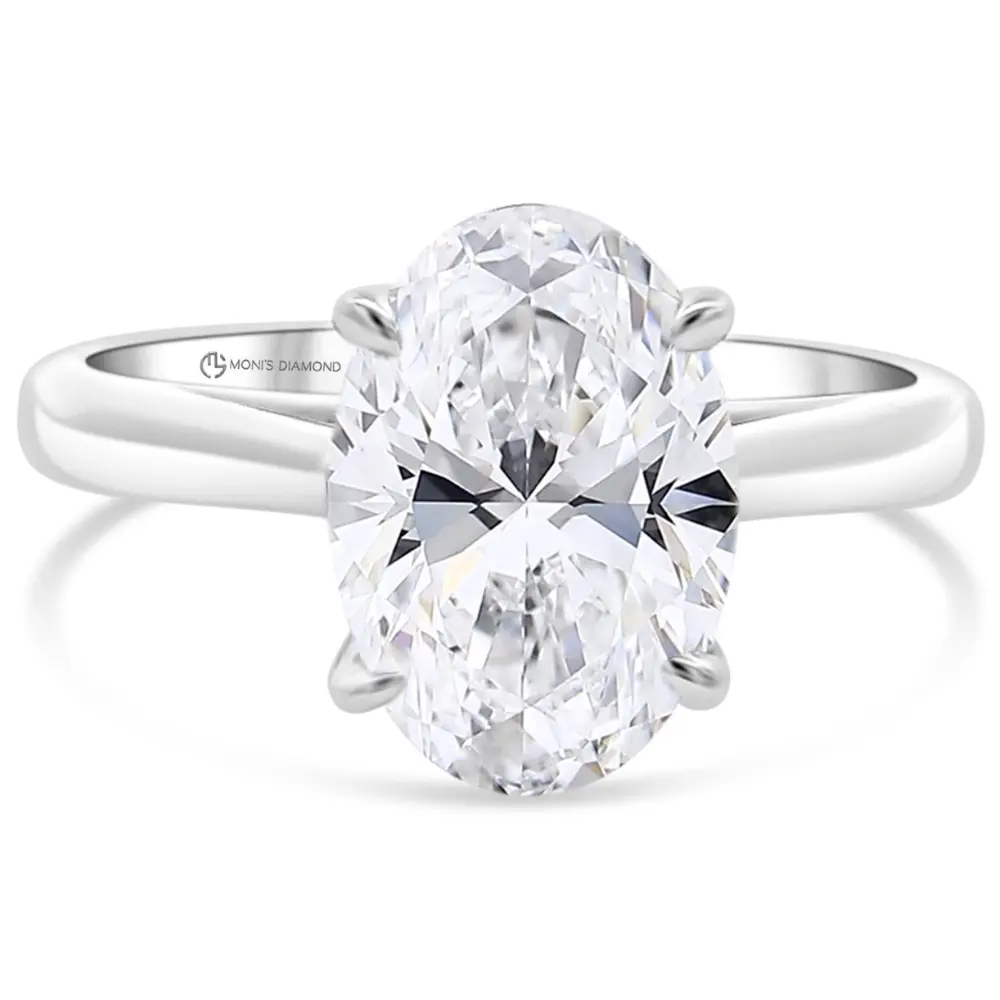
The oval cut diamond is one of the most sought-after shapes, blending the brilliant sparkle of a classic round diamond with a gracefully elongated silhouette. No wonder oval diamond engagement rings have become a favorite among brides worldwide — they flatter the hand by creating the illusion of longer, slender fingers, all while offering dazzling brilliance with every movement.

In our previous article, we explored in detail what diamond clarity truly means and why pursuing a “perfect” grading does not necessarily lead to the most beautiful result. When the choice moves toward a specific diamond engagement ring, however, the next step becomes unavoidable: understanding the international grading systems used to officially assess diamond clarity.

Diamond color is one of the defining elements of the 4Cs and has a direct impact on pricing. Diamonds in the D–F range are classified as colorless and are rarer, which places them in a higher price bracket. As one moves down the scale and a subtle yellow tint becomes present in the stone, prices generally decrease gradually.

A diamond engagement ring is more than a gift: it’s a promise, a story, and a lifelong keepsake. When a diamond catches the light, it’s not only the stone that sparkles — it’s the emotion it carries. But how do you find the ring that truly stands the test of time? This guide answers every key question.

With the help of Moni’s Diamond jewelry experts, this guide explains what a "brill stone" actually is — and why the brilliant cut remains the most valuable and iconic of all diamond cuts. It walks you through the key steps of choosing a brilliant-cut diamond ring, from understanding the fundamentals to selecting the right style and certification. You’ll also find practical tips for evaluating quality, balancing carat and cut, and ensuring long-term care.

When choosing a diamond engagement ring, the diamond cut is far more than a question of shape. The cutting style determines how light travels through the stone, defines its character, and ultimately shapes the impression the ring conveys when worn. At first glance, emerald and radiant cuts may appear similar — both feature a rectangular outline with clean, refined lines — yet they create distinctly different visual experiences.