


Magazine
What does diamond color really mean?

Diamond color is one of the defining quality factors within the 4Cs system. Many people instinctively follow the principle that “the whiter, the more valuable,” yet the reality is more nuanced. When selecting a diamond engagement ring or a fine diamond jewel, color should never be evaluated in isolation. It forms a cohesive whole together with cut, clarity, carat weight and the chosen setting and metal tone.
Diamond color is one of the defining quality factors within the 4Cs system. Many people instinctively follow the principle that “the whiter, the more valuable,” yet the reality is more nuanced. When selecting a diamond engagement ring or a fine diamond jewel, color should never be evaluated in isolation. It forms a cohesive whole together with cut, clarity, carat weight and the chosen setting and metal tone.
Diamond color is not merely an aesthetic detail. It is a subtle optical characteristic, measurable in fine tonal variations, that influences the overall appearance of the stone and the perceived purity of light, although brilliance itself is determined primarily by the quality of the cut.
What does diamond color mean in practice?
Most natural diamonds are not perfectly colorless. Foreign atoms incorporated into the crystal lattice — most commonly nitrogen — can create a faint yellow tint, while brownish tones are typically associated with plastic deformation within the crystal structure. These nuances are often barely perceptible to the naked eye, yet under laboratory conditions they represent measurable and classifiable differences.
In the international diamond trade, the color scale ranges from D to Z:
- D–F: Colorless
- G–J: Near colorless
- Beyond this range, progressively warmer tones become more noticeable, particularly in larger stones.
During formal grading, color is assessed under standardized lighting conditions, against a neutral background, in a controlled environment. The evaluation is comparative, referencing master stones. The resulting grade is therefore objective and reproducible, not a matter of subjective impression.
Is the difference visible in everyday wear?
This is one of the most frequently asked questions. In practice, the difference between a D and an F — or even between a G and an H — can be extremely subtle once the diamond is set in jewelry. The precision of the cut, the proportions and the accuracy of the faceting often have a greater impact on visual perception than a minimal shift in color grade.
A well-cut G-color diamond may appear livelier and brighter than a higher-graded stone with less optimal proportions. Brilliance — the intensity of reflected white light — is primarily a function of cut quality, not color alone.
How does the setting influence diamond color?
Diamond color must always be considered in relation to the chosen metal. In white gold or platinum settings, higher color grades tend to produce a cooler, crisper overall impression. In yellow or rose gold, slightly warmer diamonds can blend more harmoniously with the metal, reducing visual contrast and creating a balanced aesthetic.
In a diamond engagement ring, laboratory grading is only part of the equation. The overall composition matters. A consciously selected color grade is not a compromise, it is a decision based on proportion and visual harmony.
Does diamond color affect value?
Yes, color is a key factor in pricing. Truly colorless diamonds are rarer and therefore command higher prices. However, from a value perspective, the near-colorless range often offers an excellent balance between visual appearance and investment.
A diamond’s value is always determined by the interplay of all four Cs. A stone chosen with harmonious proportions in mind is often both more aesthetically satisfying and financially considered than one selected solely for the highest possible grade in a single category.
What about fancy color diamonds?
The D–Z scale applies exclusively to white diamonds. Naturally pink, blue or vividly yellow diamonds — known as fancy color diamonds — follow a separate grading system. In their case, value is determined not by the absence of color, but by its intensity, hue and distribution.
Due to their rarity, fancy color diamonds require specialized expertise and their pricing structure differs significantly from that of traditional white diamonds.
How should you decide?
Diamond color is not an isolated goal but part of a larger composition. When choosing the appropriate color grade, it is essential to consider cut quality and light performance, diamond clarity, carat weight, as well as the intended setting and metal tone.
An experienced jewelry and diamond specialist does more than explain a grading report — they help interpret what those grades mean in real visual terms. The objective is not to maximize categories, but to achieve a harmonious result that remains elegant for decades to come.
Diamond color as a conscious choice
In a diamond engagement ring, color is a subtle yet defining element. It does not dominate the design, yet it contributes meaningfully to the ring’s overall clarity and refinement.
Diamond color is therefore not merely a laboratory parameter, but an aesthetic and proportional decision. It becomes truly valuable when it forms a timeless unity with the cut, the setting and your personal style.
(Image: Moni's Diamond)
APPOINTMENT BOOKING
Reserve your preferred time slot to enjoy a personalized and unforgettable jewelry design experience. Our experts will focus exclusively on you, ensuring every detail is perfect and every moment feels special.
Booking online: https://www.monis.hu/en/appointment-booking
Booking by phone: +36 70 427 0053

Located just a few steps from St. Stephen’s Basilica, Moni’s Diamond jewelry store welcomes those who are not simply looking for jewelry, but for meaning, emotion, and timeless value.
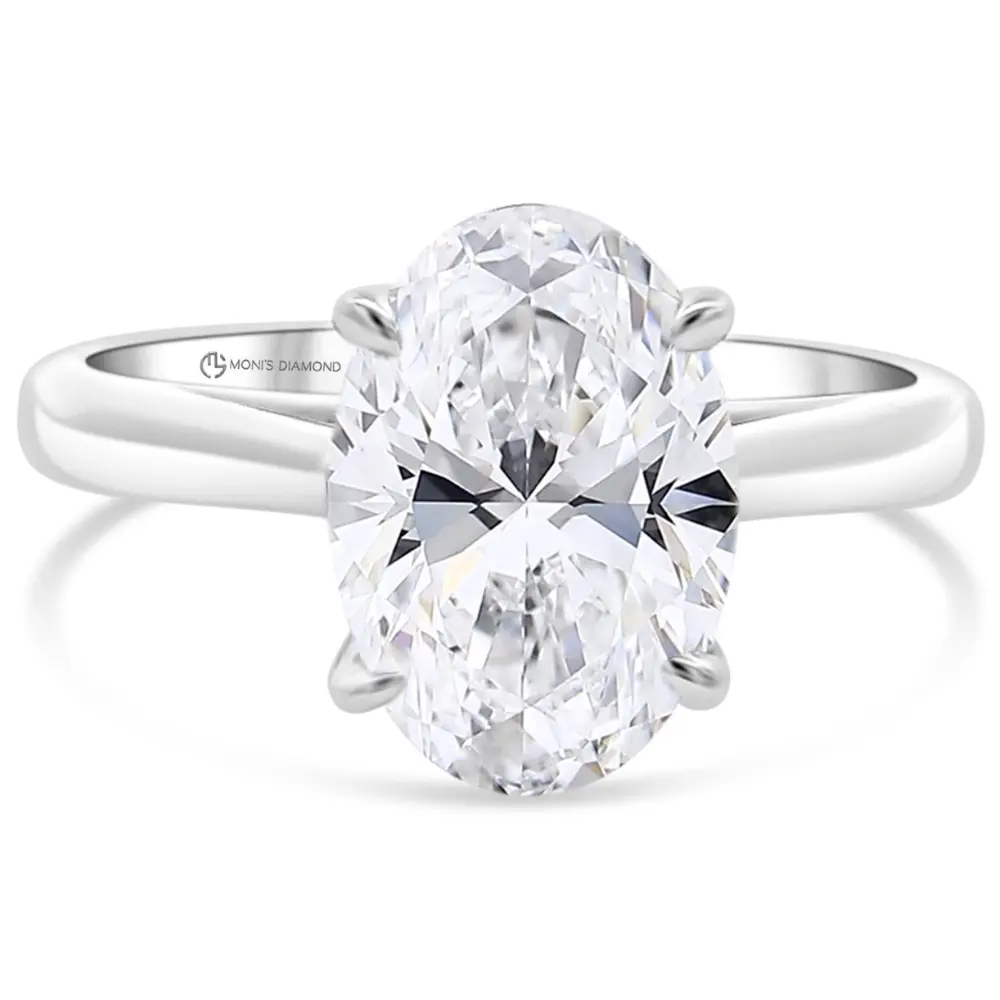
The oval cut diamond is one of the most sought-after shapes, blending the brilliant sparkle of a classic round diamond with a gracefully elongated silhouette. No wonder oval diamond engagement rings have become a favorite among brides worldwide — they flatter the hand by creating the illusion of longer, slender fingers, all while offering dazzling brilliance with every movement.

Diamond clarity is one of the most frequently mentioned and at the same time most misunderstood quality characteristics in the world of diamond engagement rings and fine diamond jewellery.

Choosing a diamond engagement ring is never purely an aesthetic decision. It is a piece of jewelry that carries emotional meaning, everyday functionality, and long-term value all at once. For this reason, the choice of precious metal is just as important as the diamond itself. White gold and platinum are the two most commonly chosen materials for premium engagement rings. While their appearance may seem similar at first glance, their properties reveal subtle yet professionally significant differences.
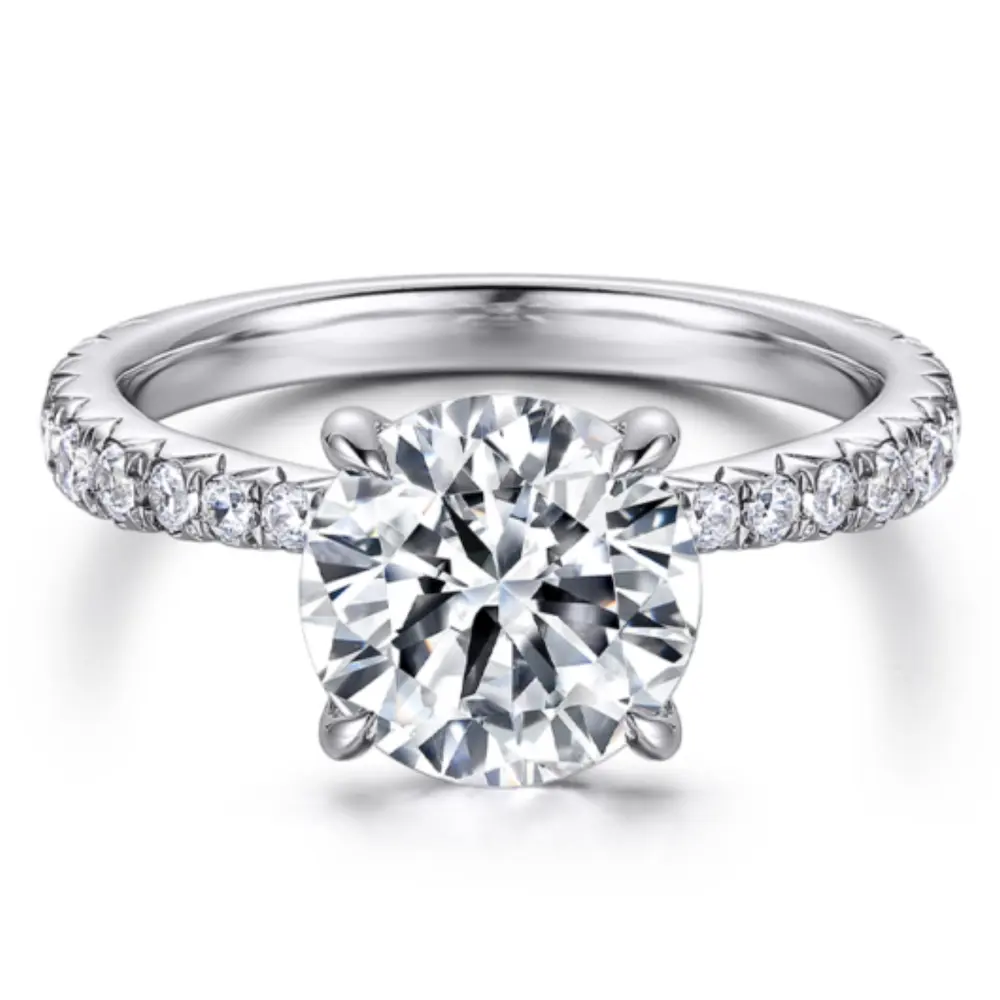
A diamond engagement ring is more than a gift: it’s a promise, a story, and a lifelong keepsake. When a diamond catches the light, it’s not only the stone that sparkles — it’s the emotion it carries. But how do you find the ring that truly stands the test of time? This guide answers every key question.

Among the many choices available, the 1-carat diamond stands out for good reason: it offers a refined yet striking presence, balancing understated elegance with radiant brilliance. This step-by-step guide, curated by the jewelry experts at Moni’s Diamond jewelry store, will walk you through every stage of the decision-making process — from selecting the ideal style to understanding diamond quality and certification.