


Magazine
Emerald or Radiant? Diamond Engagement Ring Guide
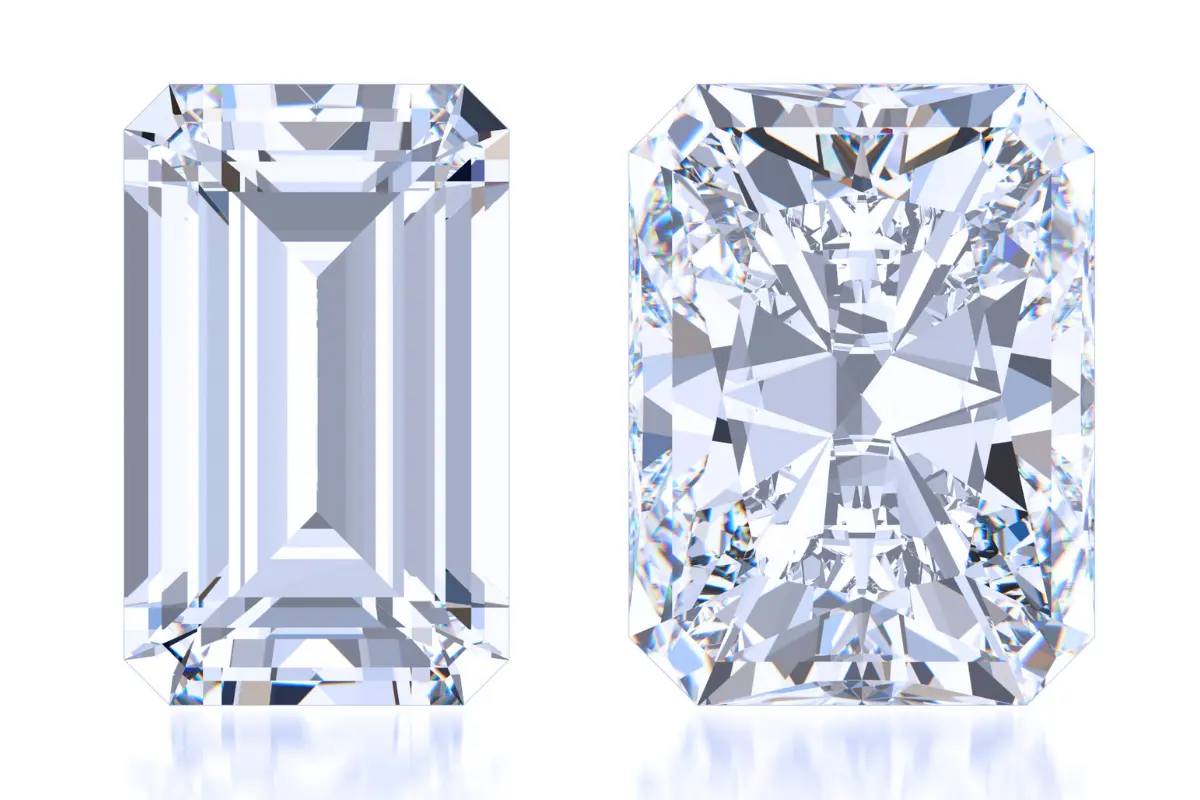
When choosing a diamond engagement ring, the diamond cut is far more than a question of shape. The cutting style determines how light travels through the stone, defines its character, and ultimately shapes the impression the ring conveys when worn. At first glance, emerald and radiant cuts may appear similar — both feature a rectangular outline with clean, refined lines — yet they create distinctly different visual experiences.
When choosing a diamond engagement ring, the diamond cut is far more than a question of shape. The cutting style determines how light travels through the stone, defines its character, and ultimately shapes the impression the ring conveys when worn. At first glance, emerald and radiant cuts may appear similar — both feature a rectangular outline with clean, refined lines — yet they create distinctly different visual experiences.
The difference lies in the facet structure. Each cut guides and reflects light in its own way, resulting in fundamentally different optical personalities. Which is the better choice for a diamond engagement ring? The answer is not found in hierarchy, but in the desired light performance, proportions, and overall visual presence of the stone.
Emerald cut with step facets

Image: Moni's Diamond
The emerald cut belongs to the family of step cuts. It is defined by long, parallel facets arranged in tiers and a relatively large, open table. Rather than producing small, scintillating flashes of light, this structure creates broader, mirror-like reflections. Often described as the “hall of mirrors” effect, the light is returned in clean, linear planes.
In practical terms, the emerald cut does not deliver the intense sparkle associated with a brilliant cut. Its light performance is more restrained, elegant and architectural. This is not a shortcoming, but a stylistic choice. An emerald cut diamond engagement ring conveys refinement and understated sophistication rather than overt brilliance.
The elegance of an emerald cut lies in its clarity of form. The shape highlights the diamond’s clarity, proportions and symmetry. However, the large, open table means inclusions are less easily concealed than in more heavily faceted cuts. For this reason, diamond clarity becomes particularly important in emerald cut stones.
From a professional perspective, it is not only the clarity grade that matters, but also the placement of inclusions. Because of the open facet structure, emerald cuts are more revealing, making careful selection and expert evaluation essential.
Radiant cut with brilliant light performance
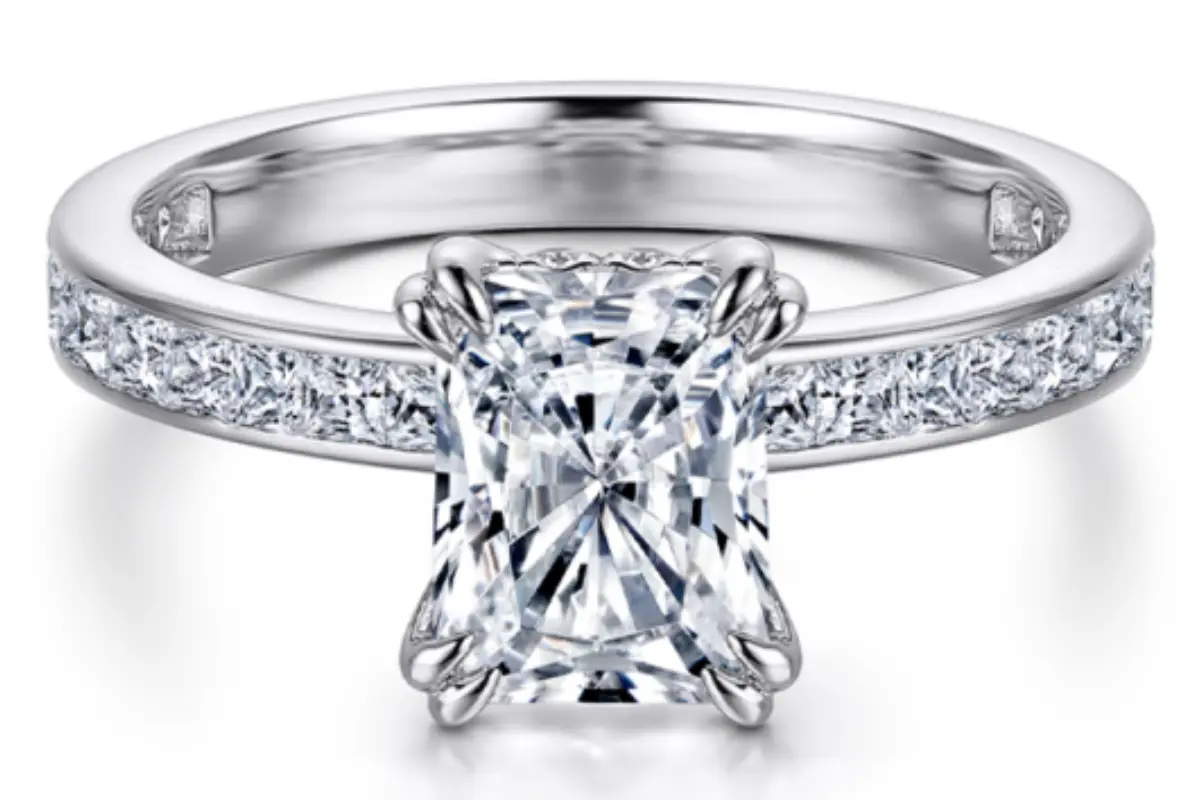
Image: Moni's Diamond
The radiant cut is a product of modern cutting innovation, combining a rectangular outline with brilliant-style faceting. Its denser arrangement of smaller facets produces stronger light return and livelier sparkle. Visually, it is closer to the classic brilliant cut while maintaining the structured elegance of a rectangular shape.
The richer facet structure creates a more dynamic surface, which can help visually mask minor internal characteristics. This does not imply that lower clarity grades are advisable, but it can allow greater flexibility within a given budget — perhaps placing emphasis on cut quality or carat weight instead.
A radiant cut diamond engagement ring offers a more contemporary, energetic impression, rich in brilliance. It is ideal for those who prefer a more pronounced sparkle while retaining the architectural lines of a rectangular stone.
Which cut is ideal for a diamond engagement ring?
There is no objective ranking between emerald and radiant cuts. The emerald cut represents timeless, refined elegance. The radiant cut embodies modern brilliance and vibrant light performance.
A diamond engagement ring becomes truly personal when the cut reflects your character and lifestyle. The choice should consider personal style, the desired light effect, the intended setting and the available budget. An open prong setting, for example, highlights the clean planes of an emerald cut, while a halo design can amplify the sparkle of a radiant cut.
Professional considerations
Selecting between emerald and radiant cuts involves more than choosing a shape. The specific diamond’s 4C parameters, proportions, facet precision and the intended setting all influence how the stone will perform in everyday wear.
In a premium diamond engagement ring, the right choice is achieved when cut, light performance and individual style form a balanced and enduring harmony.
(Image: Shutterstock, 653259466)
APPOINTMENT BOOKING
Reserve your preferred time slot to enjoy a personalized and unforgettable jewelry design experience. Our experts will focus exclusively on you, ensuring every detail is perfect and every moment feels special.
Booking online: https://www.monis.hu/en/appointment-booking
Booking by phone: +36 70 427 0053

Located just a few steps from St. Stephen’s Basilica, Moni’s Diamond jewelry store welcomes those who are not simply looking for jewelry, but for meaning, emotion, and timeless value.
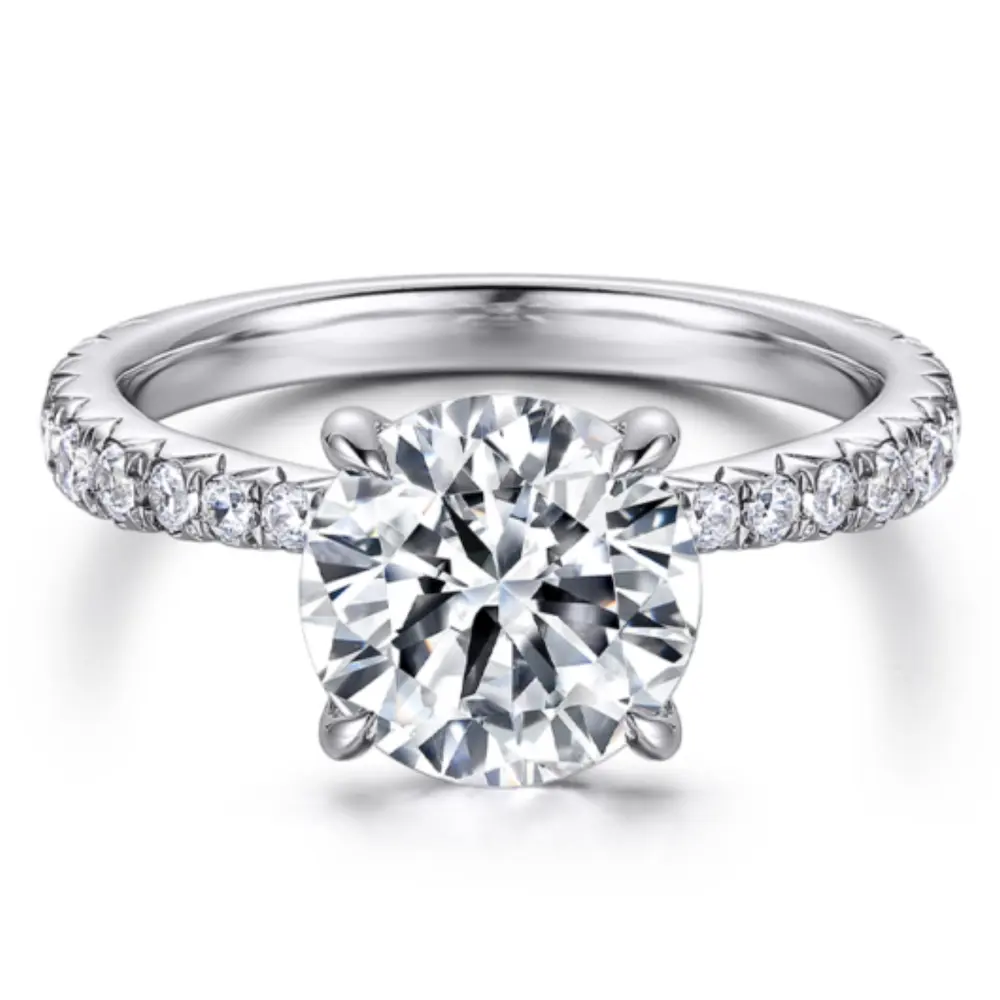
A diamond engagement ring is more than a gift: it’s a promise, a story, and a lifelong keepsake. When a diamond catches the light, it’s not only the stone that sparkles — it’s the emotion it carries. But how do you find the ring that truly stands the test of time? This guide answers every key question.
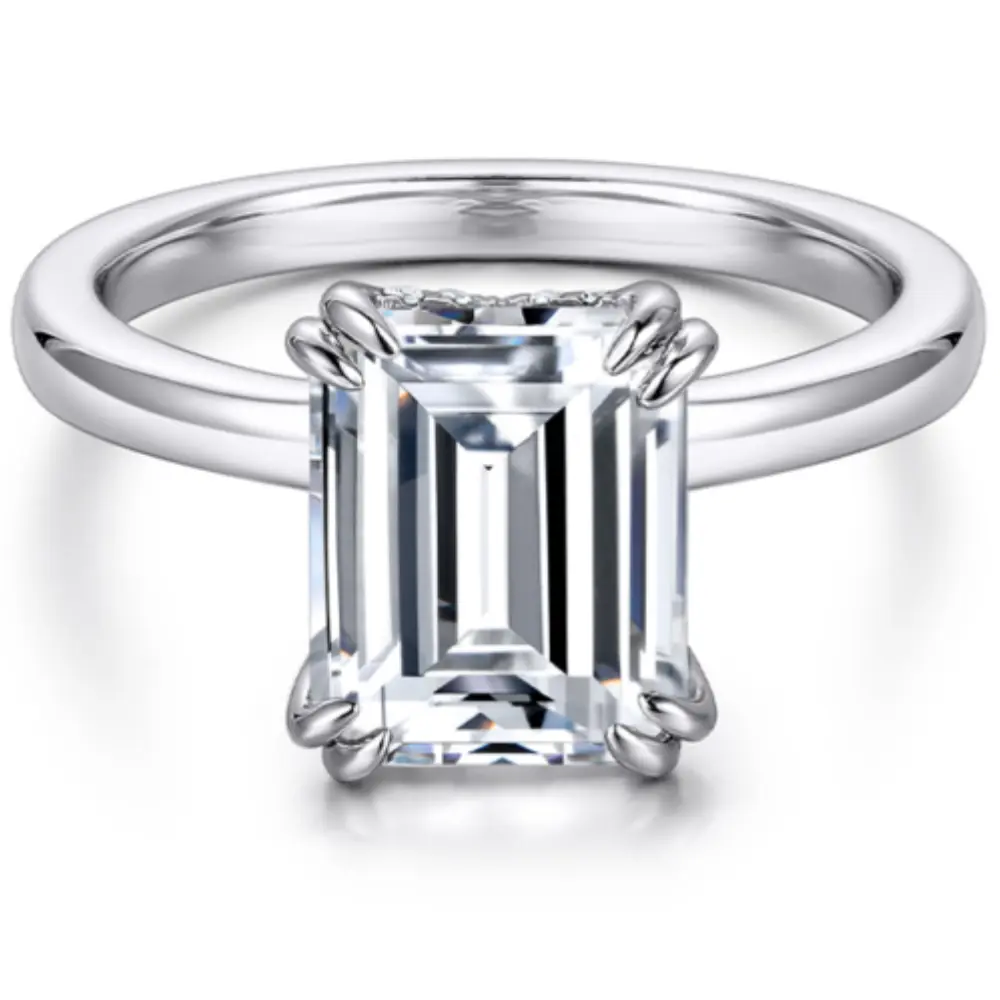
An emerald-cut diamond engagement ring appeals to those who seek classic beauty in its purest form — elegance expressed not only through sparkle, but through proportion, clarity, and lasting harmony.