


Magazine
Why are yellow diamonds valuable?
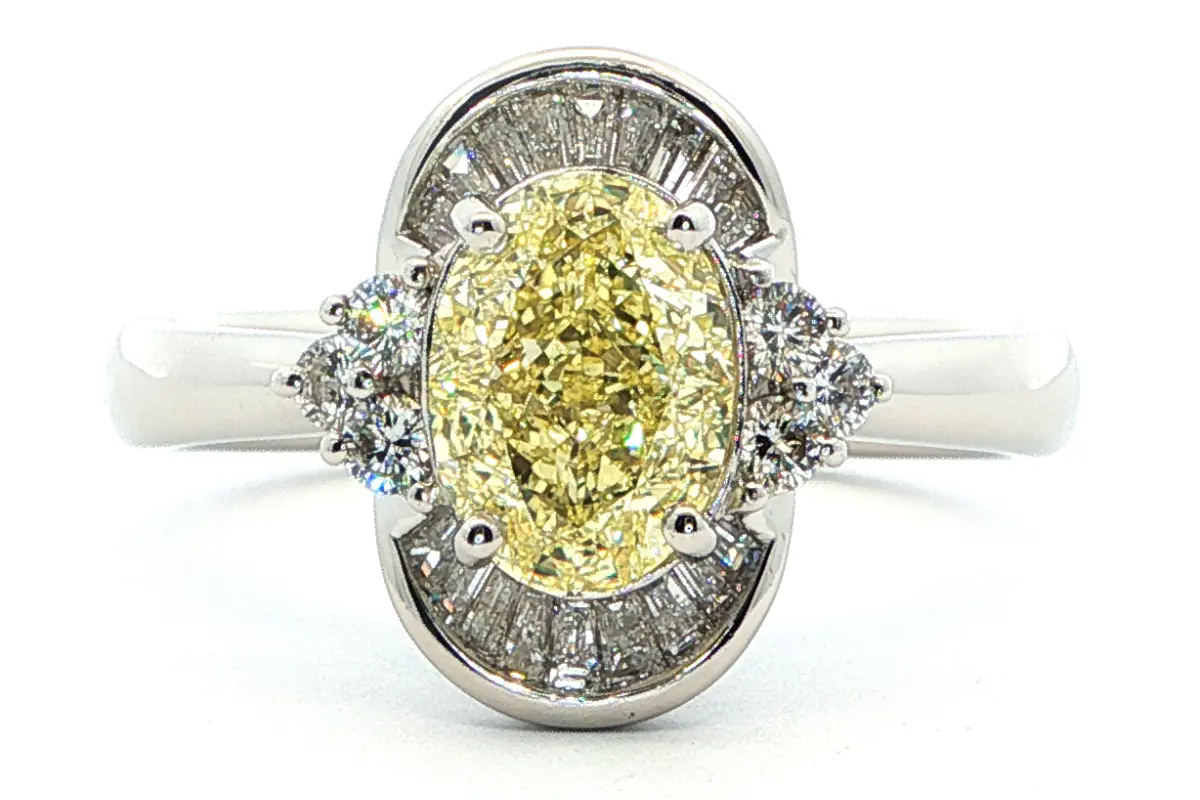
Yellow diamonds hold a distinctive place in the world of fine gemstones. While colorlessness is considered ideal in classic white diamonds, in yellow diamonds it is precisely the intensity of color that defines both value and character.
Yellow diamonds hold a distinctive place in the world of fine gemstones. While colorlessness is considered ideal in classic white diamonds, in yellow diamonds it is precisely the intensity of color that defines both value and character.
A well-chosen piece of yellow diamond jewelry is at once elegant and individual, offering a refined alternative to more traditional designs.
What makes a diamond yellow?
The color of a yellow diamond is caused by nitrogen atoms incorporated into its crystal structure. These atoms absorb part of the light, giving the reflected light its yellow hue.
The intensity of color can vary widely, from a subtle warmth to deep, vivid yellow. An important distinction is that while a yellowish tint can reduce the value of a white diamond, in yellow diamonds this same characteristic is the very source of their value.
When is a diamond considered a true yellow diamond?
In gemological practice, yellow diamonds are generally divided into two main groups:
- lightly tinted stones that still fall within the D–Z color scale,
- fancy yellow diamonds, where color becomes the dominant visual feature.
Within the “fancy” category, value is determined by color intensity. Yellow diamonds may be graded as Fancy Light, Fancy, Fancy Intense, or Fancy Vivid — the latter being the rarest and most valuable.
A true, vividly colored yellow diamond is therefore not simply a “tinted white diamond,” but a distinct category with its own grading system.
What determines the value of a yellow diamond?
The value of a yellow diamond is defined by several factors, although the emphasis differs from the traditional 4C framework.
- Color intensity: This is the most important factor. The more saturated and vivid the yellow, the rarer and more valuable the stone.
- Tone and uniformity: An ideal yellow diamond displays a pure color, without brownish or greenish undertones and with even distribution throughout the stone.
- Cut: In this case, the purpose of the cut is not only to maximize brilliance, but also to enhance the depth of color. Oval, cushion and radiant cuts are particularly common, as they tend to intensify color.
- Carat and clarity: These remain relevant, but in fancy colored diamonds, color intensity often takes precedence over minor clarity differences.
What type of jewelry suits a yellow diamond?
Yellow diamond jewelry balances classic elegance with a more distinctive character. The choice of precious metal plays a key role in the overall appearance.
Set in yellow gold, a yellow diamond creates a warm, harmonious look that enhances its color. In white gold or platinum, the contrast becomes more pronounced, making the color appear more vivid. A common approach is to set the center yellow diamond in yellow gold, while the rest of the ring is crafted in white gold, this combination further emphasizes the stone’s color.
Yellow diamonds vs. white diamonds
The difference between the two is not a matter of quality, but of aesthetic preference and interpretation.
White diamonds are defined by the purity of light, while yellow diamonds are defined by the character of color. A well-selected yellow diamond can be just as valuable and timeless as a classic white diamond, it simply offers a different visual experience.
How should you choose a yellow diamond?
When selecting a yellow diamond, it is important to consider several aspects together:
- the intensity and purity of color,
- the type and proportions of the cut,
- the size of the stone,
- the material and color of the setting,
- the presence of a reliable certification.
The guidance of an experienced jewelry and diamond specialist is particularly valuable here. The goal is not simply to choose a beautiful stone, but one that remains harmonious and valuable over time.
Rarity and investment value
Naturally colored, vividly yellow diamonds are rare — especially in larger sizes — which makes them sought after by collectors and investors alike.
That said, their value should always be assessed with expert insight. The quality of color, origin and an internationally recognized certification are all essential factors.
A yellow diamond represents a distinctive choice, one that subtly departs from tradition while preserving its elegance. A carefully selected piece of yellow diamond jewelry stands out not only for its visual appeal, but for the way its color, light and rarity come together to create lasting value.
(Image: Moni's Diamond)
APPOINTMENT BOOKING
Reserve your preferred time slot to enjoy a personalized and unforgettable jewelry design experience. Our experts will focus exclusively on you, ensuring every detail is perfect and every moment feels special.
Booking online: https://www.monis.hu/en/appointment-booking
Booking by phone: +36 70 427 0053

Located just a few steps from St. Stephen’s Basilica, Moni’s Diamond jewelry store welcomes those who are not simply looking for jewelry, but for meaning, emotion, and timeless value.

In our previous article, we explored in detail what diamond clarity truly means and why pursuing a “perfect” grading does not necessarily lead to the most beautiful result. When the choice moves toward a specific diamond engagement ring, however, the next step becomes unavoidable: understanding the international grading systems used to officially assess diamond clarity.

Diamond color is one of the defining elements of the 4Cs and has a direct impact on pricing. Diamonds in the D–F range are classified as colorless and are rarer, which places them in a higher price bracket. As one moves down the scale and a subtle yellow tint becomes present in the stone, prices generally decrease gradually.

With the help of Moni’s Diamond jewelry experts, this guide explains what a "brill stone" actually is — and why the brilliant cut remains the most valuable and iconic of all diamond cuts. It walks you through the key steps of choosing a brilliant-cut diamond ring, from understanding the fundamentals to selecting the right style and certification. You’ll also find practical tips for evaluating quality, balancing carat and cut, and ensuring long-term care.
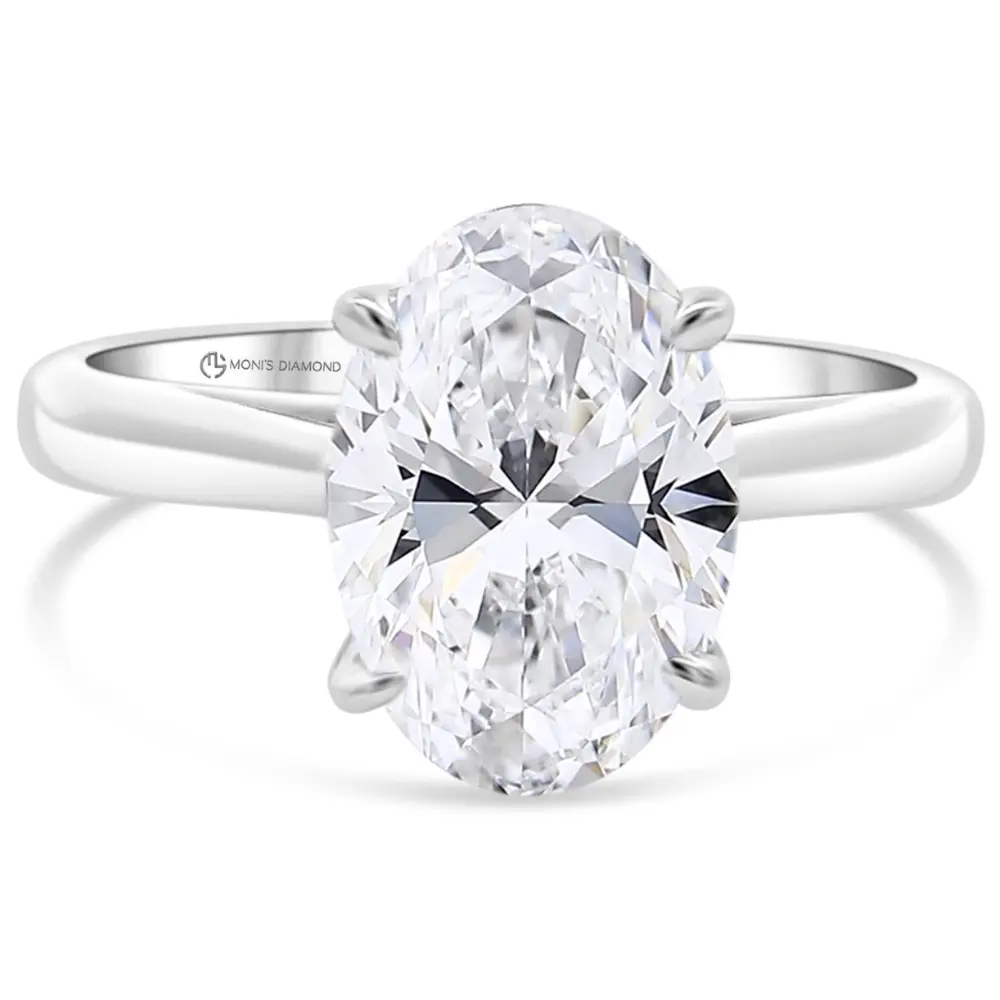
The oval cut diamond is one of the most sought-after shapes, blending the brilliant sparkle of a classic round diamond with a gracefully elongated silhouette. No wonder oval diamond engagement rings have become a favorite among brides worldwide — they flatter the hand by creating the illusion of longer, slender fingers, all while offering dazzling brilliance with every movement.
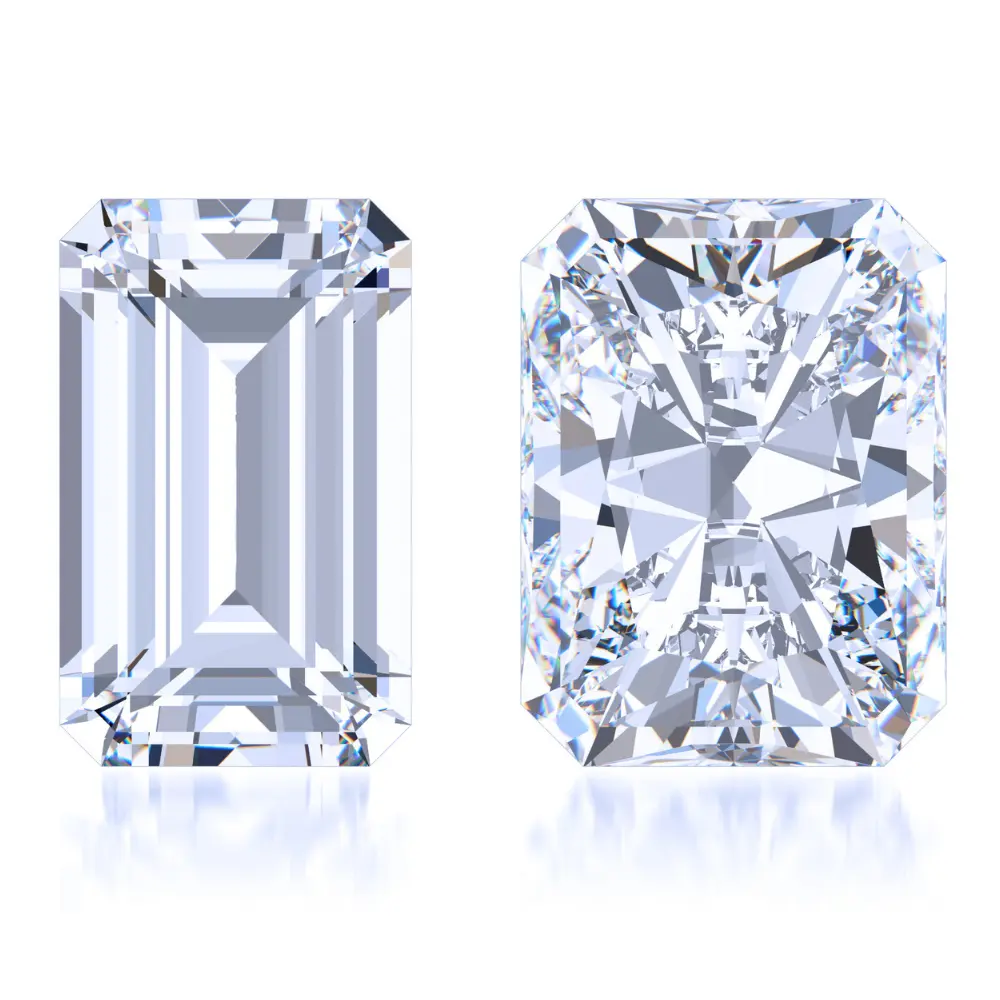
When choosing a diamond engagement ring, the diamond cut is far more than a question of shape. The cutting style determines how light travels through the stone, defines its character, and ultimately shapes the impression the ring conveys when worn. At first glance, emerald and radiant cuts may appear similar — both feature a rectangular outline with clean, refined lines — yet they create distinctly different visual experiences.