


Magazine
White Gold Engagement Ring Guide
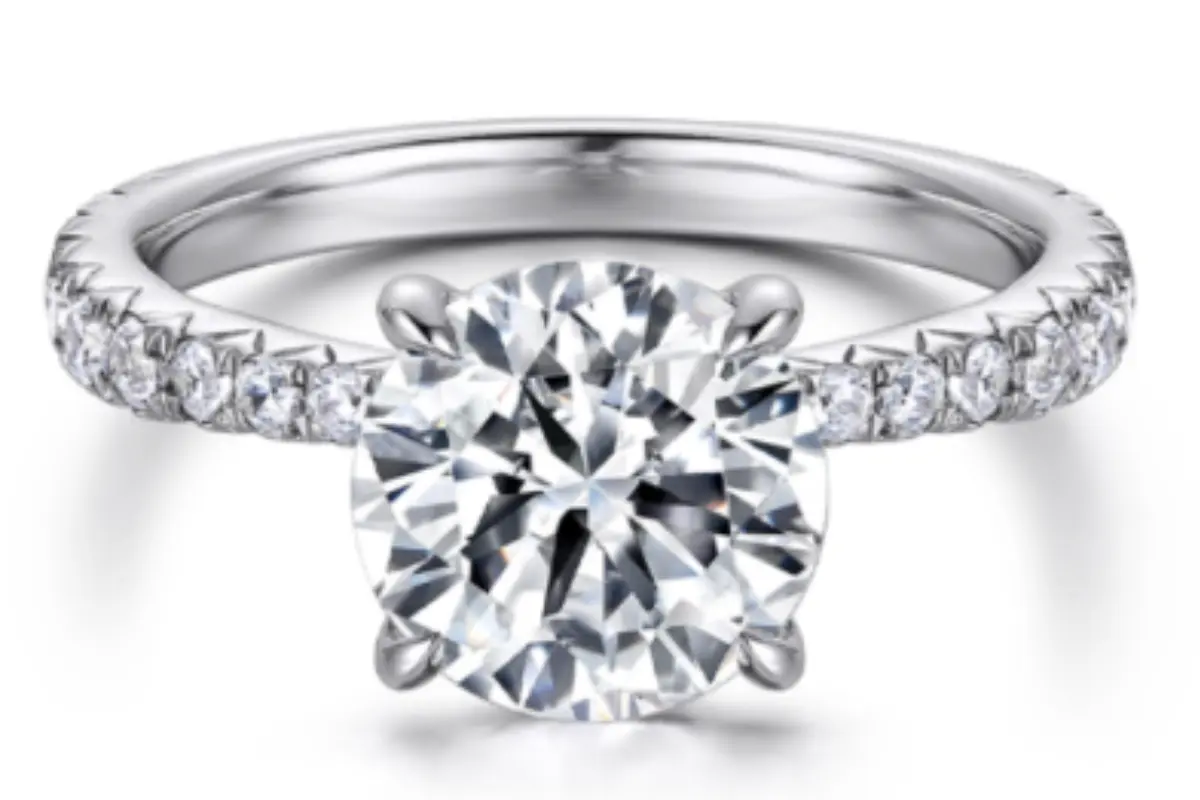
White gold engagement rings have remained one of the most sought-after choices for decades, especially among those looking for a clean, refined aesthetic. The decision, however, goes beyond appearance. Choosing the right ring requires an understanding of materials, a sense of proportion and careful consideration of long-term wear.
White gold engagement rings have remained one of the most sought-after choices for decades, especially among those looking for a clean, refined aesthetic. The decision, however, goes beyond appearance. Choosing the right ring requires an understanding of materials, a sense of proportion and careful consideration of long-term wear.
From an expert perspective, white gold is particularly compelling as a material. It is both timeless and highly workable, allowing for precise craftsmanship. In this guide, we cover the key questions to consider, including which diamonds pair best with white gold, whether to choose a ready-made or custom engagement ring, and how white gold compares to platinum.
Why are white gold engagement rings so popular?
One of the main advantages of white gold is its visual neutrality. Its cool tone enhances a diamond’s natural brilliance without affecting its perceived color, unlike yellow gold.
In modern jewelry making, white gold is an alloy, created by combining pure gold with lighter metals such as palladium, then finished with a rhodium plating. This surface layer gives white gold its signature bright, mirror-like finish, one of its most valued aesthetic qualities.
How durable is white gold?
From a technical standpoint, white gold is a balanced and reliable choice among precious metals. It is harder than yellow gold, which helps it resist the fine scratches that come with everyday wear. At the same time, it’s important to note that the rhodium plating will naturally wear over time.
This is not a flaw, but a normal part of wear. A diamond ring can be re-plated every few years to restore its original brightness. A well-crafted white gold engagement ring can maintain both its appearance and value over the long term, even across generations.
White gold vs. platinum – What’s the difference?
This is one of the most common questions for those considering a premium engagement ring. At first glance, white gold and platinum look very similar, but their properties differ in important ways.
White gold is an alloy, typically mixed with palladium and finished with rhodium plating to achieve its bright white surface. It is lighter than platinum and due to its harder structure, offers good resistance to everyday wear. Over time, the rhodium layer fades, but it can be easily renewed with maintenance.
Platinum, on the other hand, is naturally white and does not require plating. It is significantly denser, giving it a noticeably heavier feel at the same size. Its structure is softer than white gold, which means that instead of losing material, surface marks tend to shift within the metal, developing a soft, matte patina over time.
In terms of pricing, platinum sits in a higher category, primarily due to its rarity. White gold offers a more flexible price-to-value ratio, which can be particularly relevant if the budget also needs to accommodate a higher-quality diamond.
Ultimately, the choice is not just about prestige. A white gold engagement ring is ideal for those who prefer a lighter feel, a brighter surface finish and more flexibility in budget. Platinum may appeal to those who value weight, material purity, and a naturally evolving surface character.
From a professional standpoint, both options are valid, the final decision depends on lifestyle, aesthetic preferences and long-term expectations.
Which diamond works best with white gold?
White gold pairs especially well with higher color-grade diamonds (typically in the D–H range), as its neutral tone does not influence the stone’s appearance. This allows the diamond’s true color and clarity to show without distortion.
From an expert perspective, three factors become particularly important in this setting. Color plays a key role, as white gold visually reinforces the perception of colorlessness. Clarity is also more noticeable, since cleaner, more open settings reveal more of the stone. Cut, however, remains the most critical factor, as it determines how effectively the diamond reflects light.
A carefully selected diamond combined with a well-proportioned setting creates the refined overall effect that defines a premium white gold engagement ring.
Ready-made or custom engagement ring?
The choice between a ready-made ring and a custom design largely depends on personal preferences and timing. Each option offers distinct advantages and requires a different approach.
At Moni’s Diamond jewelry stores in Budapest and Balatonfüred, one of Hungary’s largest selections of diamond engagement rings is available from stock. This allows customers to view, try on, and choose a ring with minimal lead time. It’s an ideal solution when time is a factor, without compromising on quality or design.
Custom engagement rings, by contrast, offer a more personal process. Every detail can be tailored from the size and quality of the diamond to the proportions of the setting and the profile of the band. This is not only about aesthetics, it also affects comfort, durability and how the ring performs in everyday wear.
What styles are most popular?
White gold is highly versatile, which makes it suitable for a wide range of design styles, from classic to contemporary.
Among the most popular options is the solitaire, a timeless design that places full emphasis on a single center diamond. In white gold, this simplicity allows the stone to stand out without distraction. Halo settings offer a more intricate look, surrounding the center diamond with smaller stones that enhance its size and brilliance.
Side-stone designs provide a balance between these two approaches, adding subtle detail along the band while increasing overall sparkle. Minimalist styles, on the other hand, focus on clean lines and refined proportions, appealing to a more modern aesthetic.
Choosing the right style is not only about appearance. Proportion is equally important, the relationship between the stone, the band, and the hand itself determines how natural and balanced the ring feels when worn.
How to choose the right ring?
Selecting a white gold engagement ring should be a considered process rather than an impulsive one. The starting point is usually the budget, which directly affects both the size and quality of the diamond. From a professional perspective, it’s worth thinking in terms of overall balance rather than focusing solely on carat weight.
Style and proportion are just as important. A ring works best when it complements your hand and personal style, not just when viewed on its own. The size of the diamond, the type of setting and the thickness of the band all contribute to the final look.
Equally important is certification. A diamond graded by an internationally recognized laboratory such as GIA or HRD provides assurance of quality and plays a key role in long-term value.
White gold engagement rings remain a consistently popular choice because they strike a natural balance between appearance and everyday wear. Their clean tone highlights the diamond, while their material properties make them suitable for everyday wear. Whether choosing a ready-made piece or opting for a custom design, attention to detail — material quality, proportions and craftsmanship — ultimately defines how well the ring performs over time.
(Image: Moni's Diamond)
APPOINTMENT BOOKING
Reserve your preferred time slot to enjoy a personalized and unforgettable jewelry design experience. Our experts will focus exclusively on you, ensuring every detail is perfect and every moment feels special.
Booking online: https://www.monis.hu/en/appointment-booking
Booking by phone: +36 70 427 0053

Located just a few steps from St. Stephen’s Basilica, Moni’s Diamond jewelry store welcomes those who are not simply looking for jewelry, but for meaning, emotion, and timeless value.

In our previous article, we explored in detail what diamond clarity truly means and why pursuing a “perfect” grading does not necessarily lead to the most beautiful result. When the choice moves toward a specific diamond engagement ring, however, the next step becomes unavoidable: understanding the international grading systems used to officially assess diamond clarity.

Diamond color is one of the defining elements of the 4Cs and has a direct impact on pricing. Diamonds in the D–F range are classified as colorless and are rarer, which places them in a higher price bracket. As one moves down the scale and a subtle yellow tint becomes present in the stone, prices generally decrease gradually.

With the help of Moni’s Diamond jewelry experts, this guide explains what a "brill stone" actually is — and why the brilliant cut remains the most valuable and iconic of all diamond cuts. It walks you through the key steps of choosing a brilliant-cut diamond ring, from understanding the fundamentals to selecting the right style and certification. You’ll also find practical tips for evaluating quality, balancing carat and cut, and ensuring long-term care.
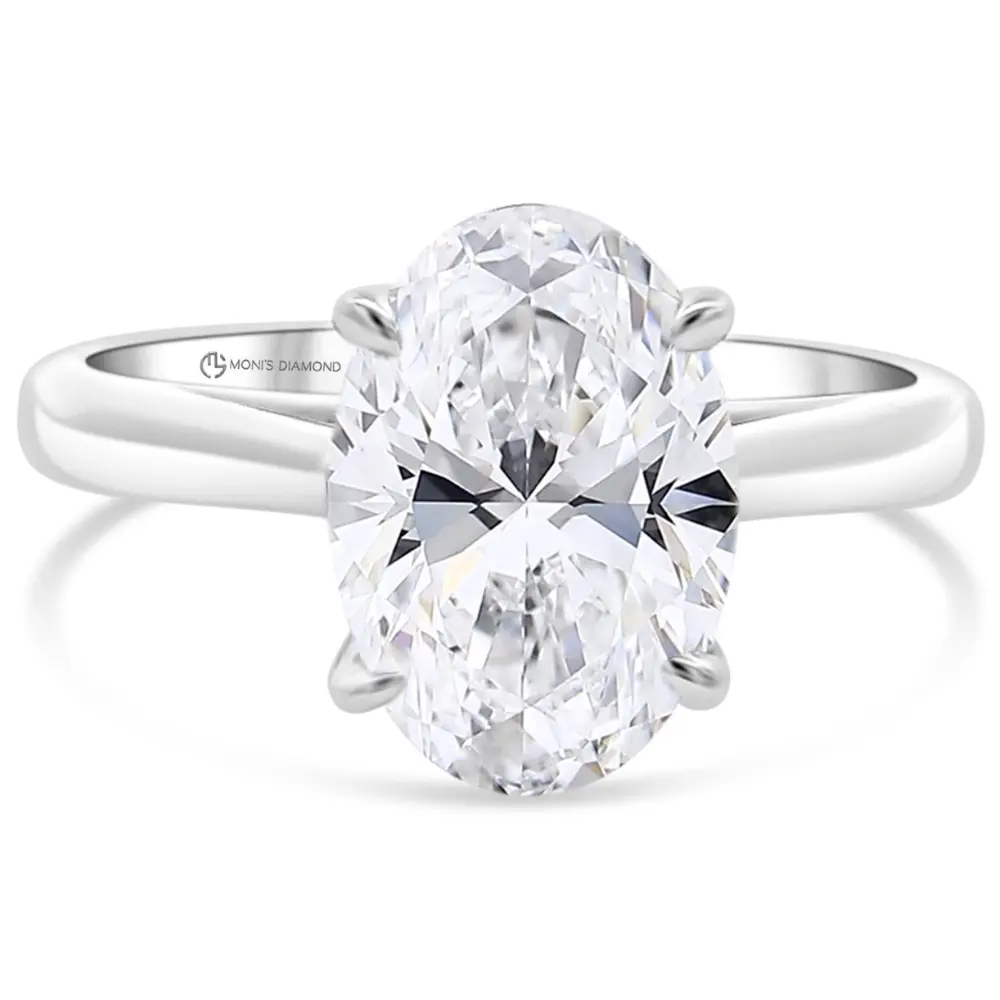
The oval cut diamond is one of the most sought-after shapes, blending the brilliant sparkle of a classic round diamond with a gracefully elongated silhouette. No wonder oval diamond engagement rings have become a favorite among brides worldwide — they flatter the hand by creating the illusion of longer, slender fingers, all while offering dazzling brilliance with every movement.
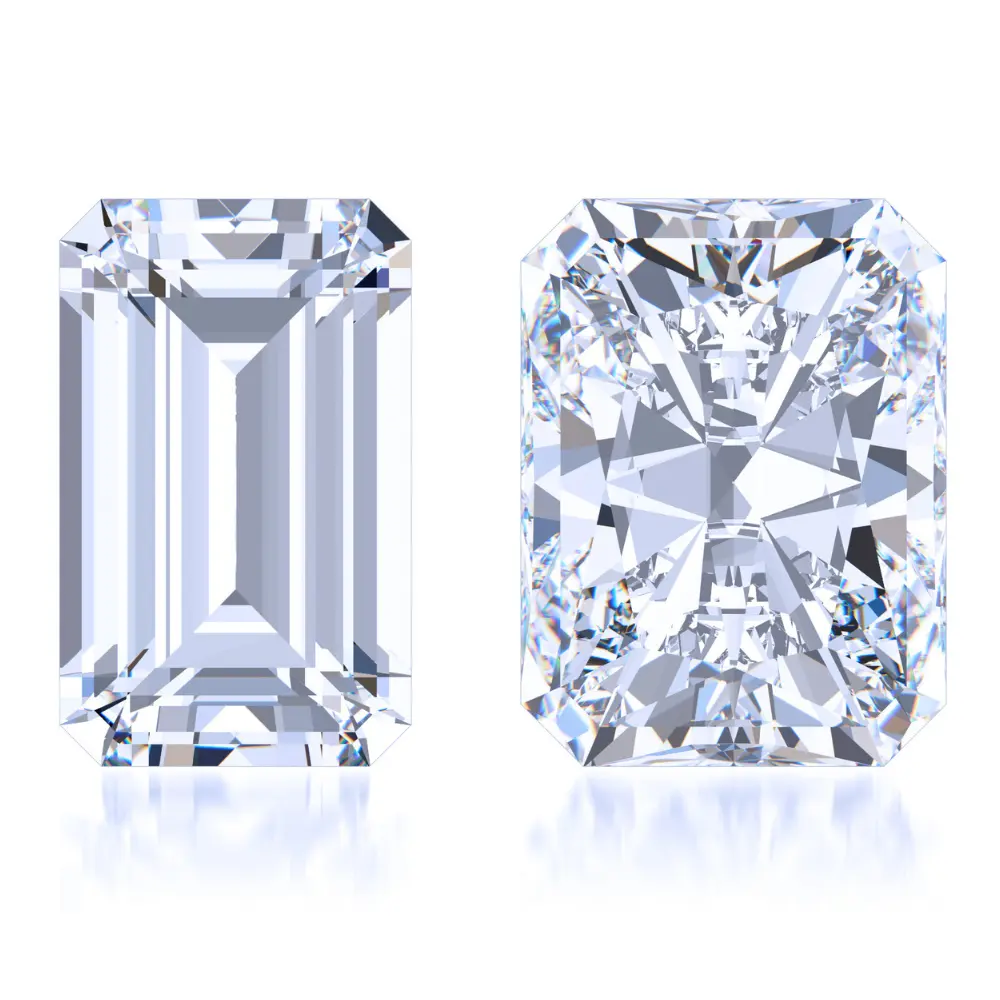
When choosing a diamond engagement ring, the diamond cut is far more than a question of shape. The cutting style determines how light travels through the stone, defines its character, and ultimately shapes the impression the ring conveys when worn. At first glance, emerald and radiant cuts may appear similar — both feature a rectangular outline with clean, refined lines — yet they create distinctly different visual experiences.