


Magazine
What makes a sapphire ring remarkable?

For most people, sapphire immediately brings to mind a deep blue gemstone. In reality, natural sapphires come in a remarkable range of shades, from pale, almost ethereal blues to rich, velvety tones. They can also be pink, yellow, green, orange or even colourless. As a result, two sapphires of the same carat weight and a similar cut can look remarkably different.
For most people, sapphire immediately brings to mind a deep blue gemstone. In reality, natural sapphires come in a remarkable range of shades, from pale, almost ethereal blues to rich, velvety tones. They can also be pink, yellow, green, orange or even colourless. As a result, two sapphires of the same carat weight and a similar cut can look remarkably different.
This is part of what makes choosing a sapphire ring so interesting. While the familiar 4Cs provide relatively straightforward points of comparison for diamonds, coloured gemstones require a broader assessment. Hue, tone and saturation, the distribution of colour, clarity, cut, origin and any treatments can all influence both beauty and value.
No two blue sapphires are quite the same
Sapphire is a variety of the mineral corundum. In its pure form, corundum is colourless. Its wide range of colours comes from trace elements within the crystal structure. In blue sapphires, iron and titanium are primarily responsible for the characteristic colour.
Assessing a blue sapphire involves much more than deciding whether a stone is light or dark. Gemmologists consider its hue, its tone, which describes how light or dark the colour appears, and its saturation, or the strength and intensity of that colour. Together, these qualities create what we instinctively recognise as a beautiful blue.
A sapphire that is too dark may appear almost black in lower light, losing some of its colour and liveliness. At the other end of the spectrum, a very pale stone may lack intensity. In the finest sapphires, depth and vibrancy are beautifully balanced, allowing the colour to remain distinctive across different lighting conditions.
This is why two sapphires of similar size can differ considerably in value, even when their laboratory reports may appear broadly comparable to an untrained eye.
Why does cut matter when choosing a sapphire ring?
One of the main purposes of cutting a coloured gemstone is to make the most of the colour nature has given it. The cutter must consider the shape of the rough crystal, the distribution of colour, how much weight can be retained and the way light will travel through the finished stone.
Sapphires therefore often have proportions that might seem unusual when judged by the standards applied to diamonds. A deeper cut can sometimes help preserve colour intensity. In other cases, it may simply leave too much weight beneath the stone without making it appear any larger when viewed from above.
Cut also has a profound effect on how a sapphire handles light. Poor proportions can create a pale, transparent area through the centre of the stone, sometimes giving the impression that you can see straight through it. At the other extreme, overly dark and lifeless areas can diminish the stone's beauty.
A well-cut sapphire responds vividly to light while retaining a balanced shape and attractive colour. This matters particularly in a sapphire ring, where the centre stone is usually the natural focal point.
The choice of shape is more personal. An oval sapphire has a classic elegance, while a cushion cut offers softer contours. Emerald and other step cuts reveal colour and the internal character of the stone in a very different way. There is no single shape that suits every sapphire. Often, the individual crystal itself determines the cut that will show it at its best.
An inclusion is not necessarily a flaw
Natural sapphires often contain tiny crystals, fine needle-like features, colour zoning and other traces of their growth. These are part of the natural formation of the gemstone and their presence alone does not make a sapphire inferior.
What matters is the extent to which they affect transparency, brilliance and durability.
A sapphire that appears clean to the naked eye can of course be particularly appealing, but coloured gemstones should not be judged by the same clarity expectations as a high-clarity diamond. Certain internal features are entirely acceptable and can even provide useful gemmological information about the stone.
From an aesthetic perspective, it is far more important that inclusions do not dominate the appearance and that the sapphire retains its transparency and liveliness.
What does heat treatment mean for a sapphire?
One of the most important facts about a sapphire cannot necessarily be determined with the naked eye. A significant proportion of natural sapphires on the market are heat-treated to improve their colour or clarity. Heat treatment has a long history in the gemstone trade and is widely accepted, provided it is properly disclosed.
A natural sapphire for which laboratory testing finds no indications of heating belongs to a different market category. When such a stone also has exceptional colour and an attractive cut, its rarity can command a substantial premium.
The distinction is not that a treated sapphire is "good" and an unheated sapphire is "better". They occupy different categories in the market, and their prices should reflect that difference.
For a sapphire of significant value, documentation from a respected independent gemmological laboratory is therefore particularly important. Laboratory testing can establish whether the gemstone is natural and identify treatments that may have a material effect on its value.
How important is a sapphire's origin?
In the world of exceptional sapphires, geographical origin often forms part of the conversation. Certain historic sources have become associated with gemstones whose colour and rarity have attracted particular attention on the international market for decades.
Origin alone, however, is no guarantee of beauty. A sapphire from a celebrated source may still be less attractive than an exceptional stone from a lesser-known region. At the higher end of the market, origin can have a significant effect on value, but it should always be considered alongside the individual qualities of the gemstone itself.
Nor should geographical origin be treated simply as a claim made by a seller. A reputable gemmological laboratory can examine the characteristics of a sapphire and provide an expert opinion on its likely geographic origin.
Sapphire rings come in more than blue
Although sapphire is almost synonymous with blue, corundum occurs naturally in many other colours. Purple, yellow, orange, green and pink sapphires all belong to the same mineral family.
Some of the most intriguing stones combine two shades or display unusual colour combinations that give them a character of their own. With sapphires in particular, it can be worth approaching the selection with an open mind. A colour that might not stand out in a photograph or on a laboratory report can be the one that immediately feels right when seen in person.
This opens up considerable freedom when designing a sapphire ring. Rather than beginning with a predetermined colour and searching for a stone to match, the gemstone itself can often become the starting point for the entire design.
A sapphire ring with diamonds or without?
Sapphires pair particularly well with colourless diamonds. The contrast can enhance both gemstones, with the bright, white brilliance of the diamonds setting off the sapphire and making its colour appear even more pronounced.
In a classic three-stone sapphire ring, for example, diamonds placed on either side of the centre sapphire can frame its colour beautifully. A delicate halo creates a different effect, while a clean solitaire setting keeps the focus entirely on the sapphire.
The choice of precious metal also contributes to the overall look. White gold and platinum can provide a cool setting for a blue sapphire, while yellow gold creates a warmer contrast. Neither is inherently the better choice. Much depends on the particular shade of the sapphire, the setting and the overall effect the ring is intended to achieve.
Is a sapphire ring suitable for everyday wear?
Colour is not the only reason sapphire works particularly well in rings. Corundum measures 9 on the Mohs scale and is one of the hardest natural gem minerals after diamond, making sapphire an excellent option for jewellery worn regularly when properly set and cared for.
Hardness should not, however, be confused with being unbreakable. The Mohs scale measures resistance to scratching. A sapphire can still be damaged by a hard impact, particularly along facet edges or at more vulnerable points in the stone.
For a sapphire ring worn every day, the design of the setting is therefore just as important as the gemstone itself. The prongs need to hold the sapphire securely without unnecessarily obscuring its shape or colour.
How should you choose a sapphire ring?
Choosing a sapphire ring is not about finding the highest specification in a single category. A larger stone is not necessarily more beautiful than a smaller one, just as a prestigious geographic origin cannot compensate for disappointing colour, cut or transparency. What matters is how all of these qualities come together in the individual stone.
It is also worth seeing a sapphire under different types of light. Gemstone colour can change noticeably between artificial lighting, natural daylight and lower-light conditions. A fine sapphire will not necessarily look exactly the same in every setting, but it should retain its distinctive character.
At Moni’s Diamond jewellery store, our diamond and gemstone specialists guide clients through the qualities, treatments and characteristics that distinguish one natural sapphire from another. Alongside the sapphire rings in our collection, we also offer a bespoke design service, with every detail tailored to the individual piece, from selecting the gemstone and precious metal to the setting and placement of diamonds.
(Image: Moni's Diamond)
APPOINTMENT BOOKING
Reserve your preferred time slot to enjoy a personalized and unforgettable jewelry design experience. Our experts will focus exclusively on you, ensuring every detail is perfect and every moment feels special.
Booking online: https://www.monis.hu/en/appointment-booking
Booking by phone: +36 70 427 0053
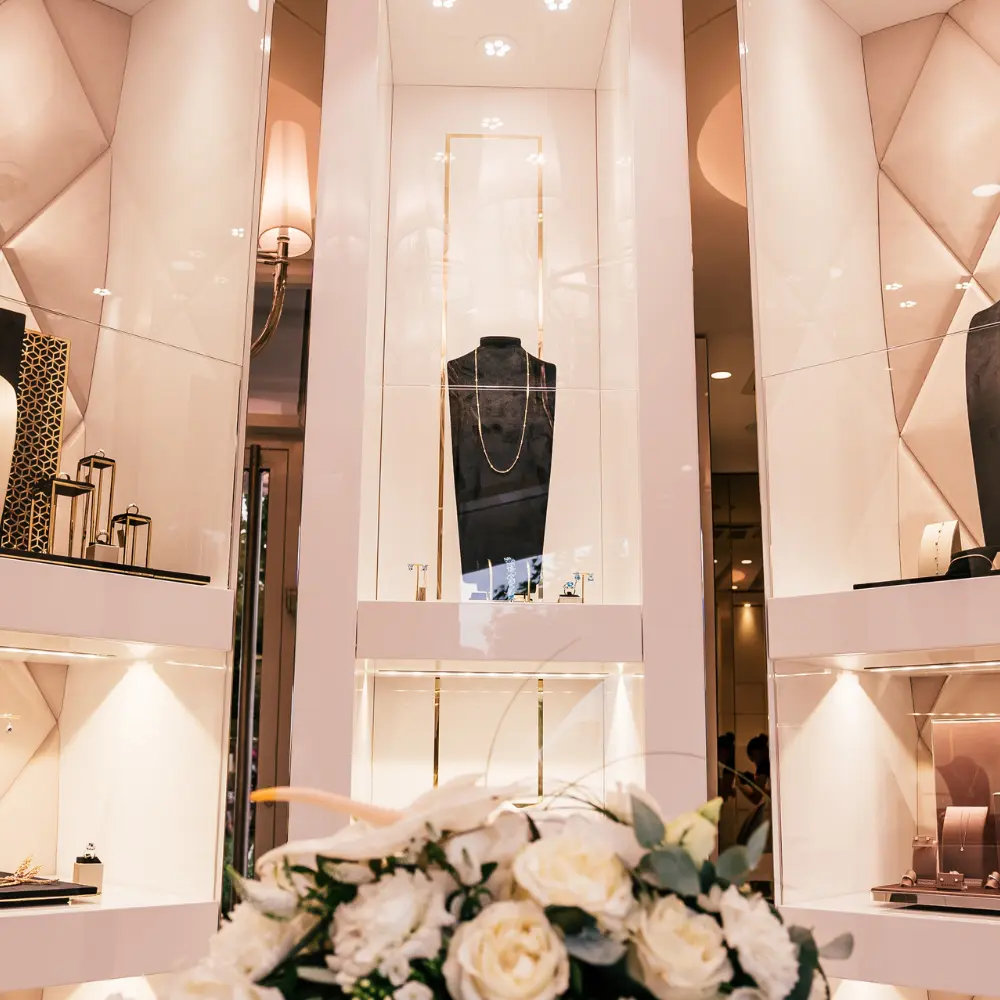
Balatonfüred is more than just a destination – it’s a promise. A place where culture, nature, and refined style come together in perfect harmony along the shores of Lake Balaton. And nestled like a jewel along the iconic Tagore Promenade, you’ll find Moni’s Diamond Boutique – a fine jewelry store that offers far more than just shopping. It is a space where timeless luxury, personal care, and enduring value take center stage.

Located just a few steps from St. Stephen’s Basilica, Moni’s Diamond jewelry store welcomes those who are not simply looking for jewelry, but for meaning, emotion, and timeless value.
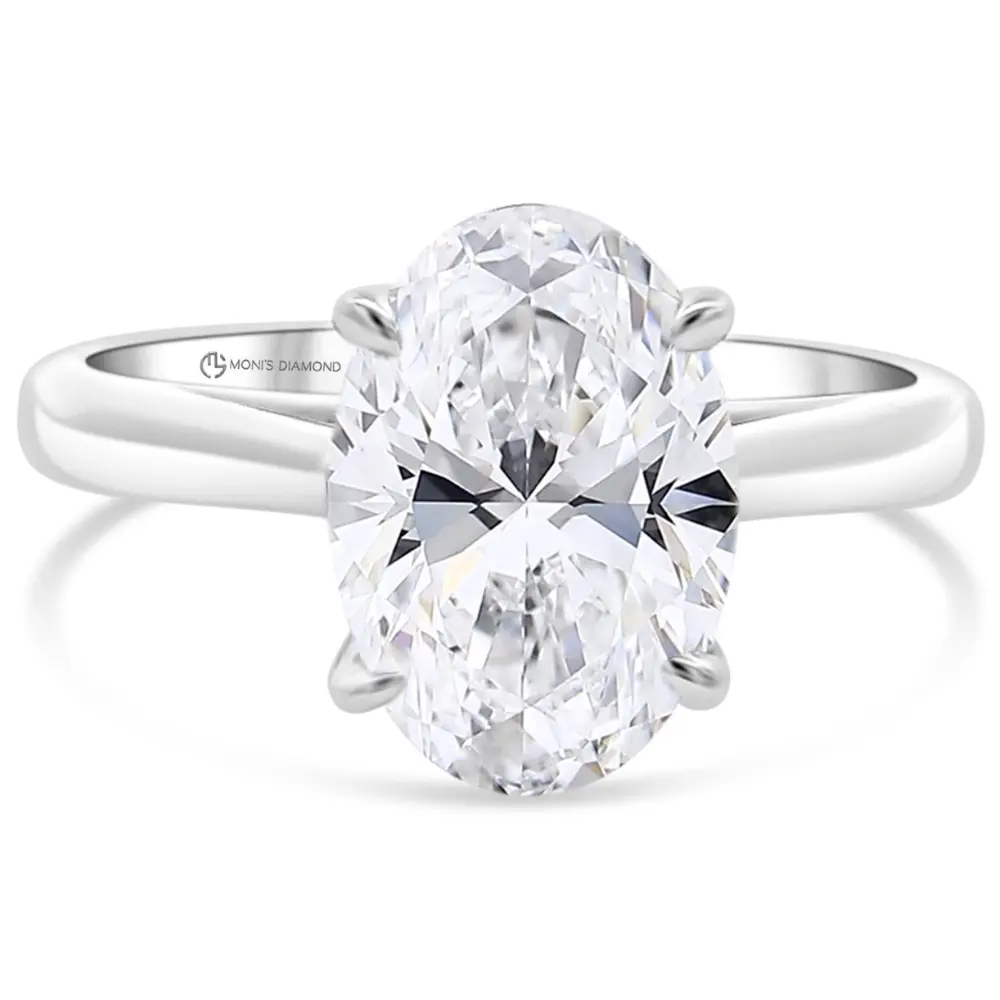
The oval cut diamond is one of the most sought-after shapes, blending the brilliant sparkle of a classic round diamond with a gracefully elongated silhouette. No wonder oval diamond engagement rings have become a favorite among brides worldwide — they flatter the hand by creating the illusion of longer, slender fingers, all while offering dazzling brilliance with every movement.

In our previous article, we explored in detail what diamond clarity truly means and why pursuing a “perfect” grading does not necessarily lead to the most beautiful result. When the choice moves toward a specific diamond engagement ring, however, the next step becomes unavoidable: understanding the international grading systems used to officially assess diamond clarity.

Diamond color is one of the defining elements of the 4Cs and has a direct impact on pricing. Diamonds in the D–F range are classified as colorless and are rarer, which places them in a higher price bracket. As one moves down the scale and a subtle yellow tint becomes present in the stone, prices generally decrease gradually.
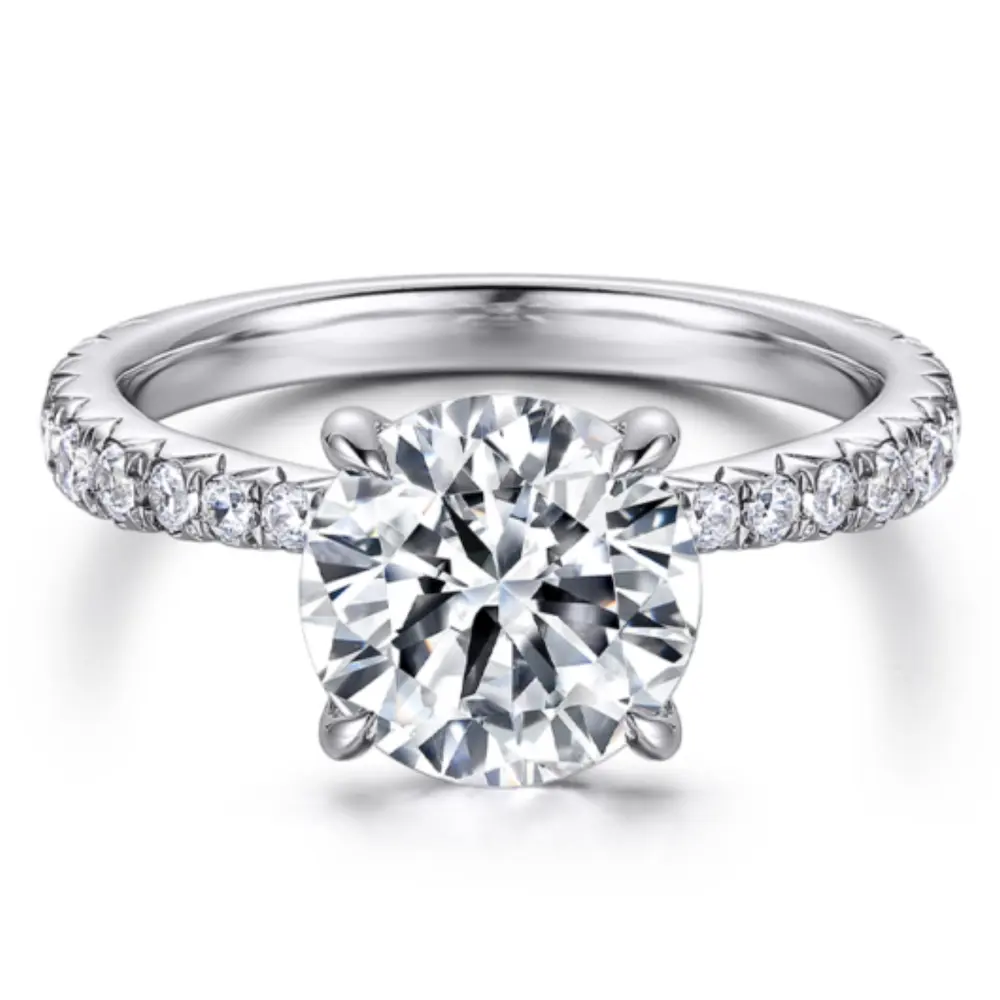
A diamond engagement ring is more than a gift: it’s a promise, a story, and a lifelong keepsake. When a diamond catches the light, it’s not only the stone that sparkles — it’s the emotion it carries. But how do you find the ring that truly stands the test of time? This guide answers every key question.

With the help of Moni’s Diamond jewelry experts, this guide explains what a "brill stone" actually is — and why the brilliant cut remains the most valuable and iconic of all diamond cuts. It walks you through the key steps of choosing a brilliant-cut diamond ring, from understanding the fundamentals to selecting the right style and certification. You’ll also find practical tips for evaluating quality, balancing carat and cut, and ensuring long-term care.
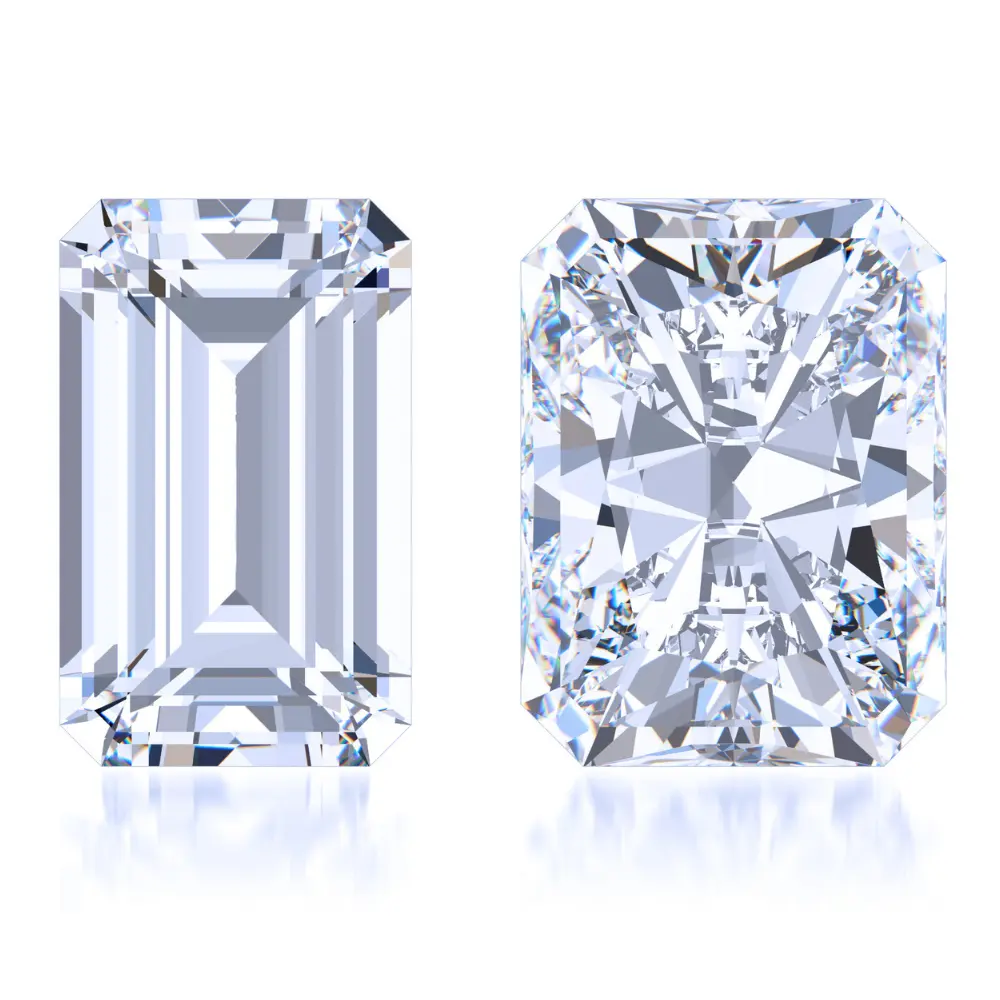
When choosing a diamond engagement ring, the diamond cut is far more than a question of shape. The cutting style determines how light travels through the stone, defines its character, and ultimately shapes the impression the ring conveys when worn. At first glance, emerald and radiant cuts may appear similar — both feature a rectangular outline with clean, refined lines — yet they create distinctly different visual experiences.