


Magazine
Round or oval diamond for a classic engagement ring?
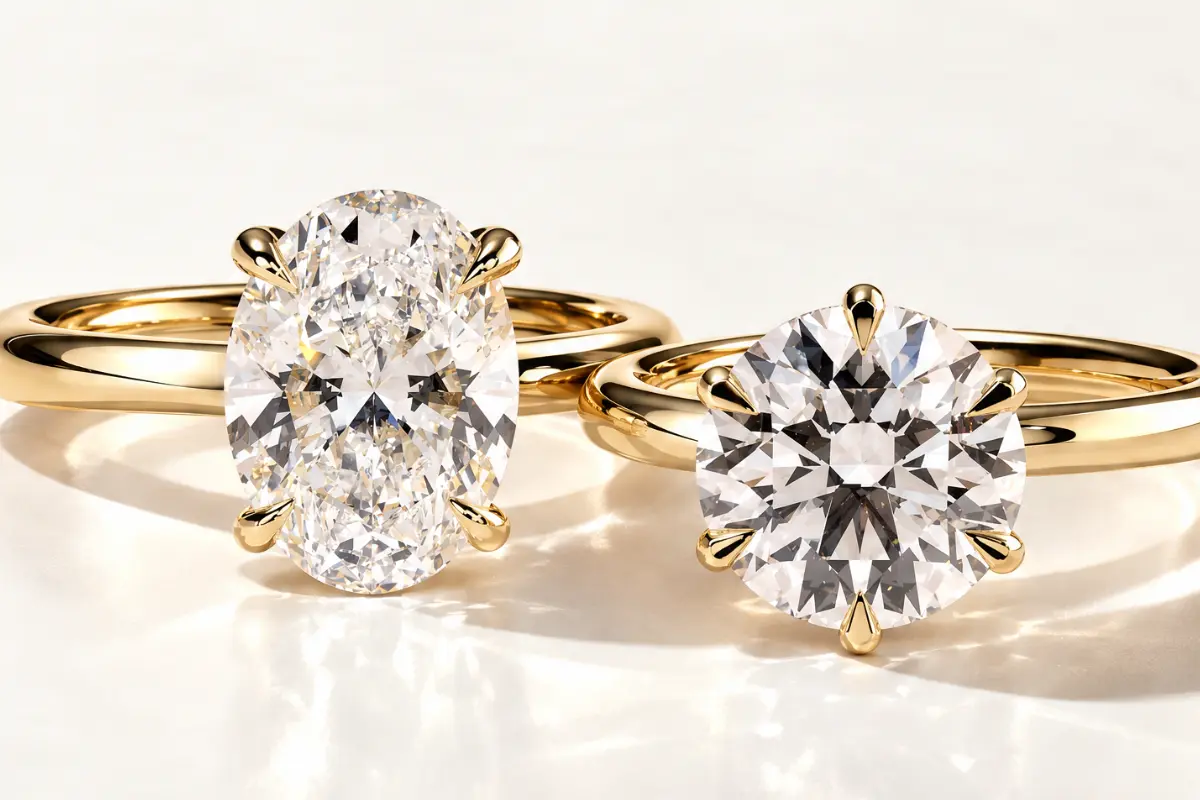
When choosing a diamond engagement ring, consider the stone’s shape and cut quality alongside the setting. Both shapes can be beautiful, but the grading report tells only part of the story. It is also worth seeing how each diamond looks on the hand, as it moves and under different lighting conditions.
A round diamond’s balanced outline and an oval’s elongated shape give an engagement ring distinctly different looks. Shape is only part of the difference, though. Their light patterns can vary, and even at the same carat weight, one may look noticeably larger than the other.
When choosing a diamond engagement ring, consider the stone’s shape and cut quality alongside the setting. Both shapes can be beautiful, but the grading report tells only part of the story. It is also worth seeing how each diamond looks on the hand, as it moves and under different lighting conditions.
What is the difference between diamond shape and cut?
Shape describes a diamond’s outline when viewed from above. Cut encompasses its proportions and the arrangement and finish of its small, flat surfaces, known as facets. These determine how light is refracted and reflected within the stone.
Round diamonds used in engagement rings are usually brilliant cut. Oval diamonds generally have a brilliant-style facet arrangement too, so both can display lively sparkle. In an oval, the facets are arranged to suit the elongated shape, producing a different pattern of light and contrast from that of a round brilliant.
Which looks larger at the same carat weight?
Carat measures a diamond’s weight, rather than its size. Two stones of the same carat weight can therefore differ in length, width and depth.
A round diamond’s diameter indicates its size when viewed from above. For an oval, both length and width need to be considered. Its elongated outline often makes it appear larger than a round diamond of the same carat weight, although this does not mean it always has a larger face-up surface area.
The measurements in the grading report show the oval’s length and width, or the round diamond’s diameter, in millimetres. These provide a more useful comparison than carat weight alone.
Visible size should also be weighed against light performance. A diamond with a larger face-up area but less lively sparkle will not necessarily look more attractive than a slightly smaller, well-cut stone.
How does the sparkle of an oval differ from that of a round brilliant?
A diamond’s sparkle comes from reflected white light, flashes of colour and the changing pattern of light and dark as the stone moves.
In a well-cut round brilliant, the facets are arranged around the centre. Their proportions and angles work together to determine light performance, so a single favourable measurement is not enough to establish cut quality.
In an oval diamond, the flashes across the centre may differ in size and pattern from those at either end. As a result, two ovals with similar dimensions and proportions can still sparkle quite differently.
Why do some oval diamonds have a dark band across the centre?
An oval diamond can show a darker pattern across its centre that resembles a bow tie. This is the origin of the term bow-tie effect.
The effect is caused by the way light is reflected. From certain viewing angles, the central facets reflect directions where the viewer blocks incoming light, making those facets appear darker. The pattern depends on facet arrangement and angles, lighting, and the viewer’s position and distance from the stone. It is an optical effect, rather than an inclusion or other feature inside the diamond.
A bow tie does not, by itself, indicate poor cutting. What matters is how prominent it is and how it changes as the diamond moves. If the centre remains noticeably dark from several angles, it can detract from the stone’s appearance. A subtler pattern that alternates with bright flashes as the stone moves is generally less distracting.
To assess it, gently tilt the diamond under different lighting conditions. A single photograph or the length-to-width ratio alone cannot reliably show how noticeable the effect will be when the ring is worn.
What makes an oval diamond’s outline attractive?
An oval diamond can be fuller and more rounded, or narrower and more elongated. Its length-to-width ratio describes this relationship and is calculated by dividing its length by its width.
There is no single ideal oval shape. Some people prefer a fuller outline; others favour a slimmer stone. This is a matter of taste, and the ratio itself is not a measure of quality.
Symmetry deserves separate attention. Viewed from above, the two ends should be similarly rounded, with corresponding curves along either side. An attractive oval has a smooth, balanced outline, without conspicuous flat sections or a bulge on one side.
Why is a grading report important when buying a diamond?
A grading report issued by an independent gemmological laboratory is an important reference when buying a diamond. It identifies whether the stone is natural or laboratory-grown and records its carat weight, dimensions, colour and clarity, as well as any treatments detected. This information allows diamonds to be compared on more than appearance or price alone.
For both round and oval diamonds, the report should be considered alongside an examination of the stone itself. The document provides reliable information about its quality characteristics, while viewing it under different lighting conditions reveals its light performance. Together, they provide a sound basis for an informed choice.
How do round and oval diamonds look on the hand?
A round brilliant has almost equal length and width, giving it an even outline as the centre stone of a ring. An oval set along the finger covers more of its length and can make the finger appear longer. Set across the finger, it gives the ring a broader look.
The setting and band also affect the overall appearance. A slimmer band can make the centre diamond look more prominent, while side stones change the ring’s total width and proportions.
Where possible, try the two shapes in similar settings. This makes it easier to judge which outline you prefer and how much of the ring’s appearance comes from the setting.
Which should you choose?
A round brilliant may appeal to those who favour a classic, circular shape. An oval gives the ring a more elongated outline, with a choice of fuller or slimmer proportions. Shape is largely a matter of personal preference, but cut quality and light performance deserve careful attention in either case.
At Moni’s Diamond jewellery stores, our jewellery and gemstone specialists guide you through a personal comparison of natural diamonds, settings and ring styles. Trying on different designs allows you to assess their proportions and comfort, helping you choose a ring that suits both your taste and your everyday life.
(Image: Moni's Diamond)
APPOINTMENT BOOKING
Reserve your preferred time slot to enjoy a personalized and unforgettable jewelry design experience. Our experts will focus exclusively on you, ensuring every detail is perfect and every moment feels special.
Booking online: https://www.monis.hu/en/appointment-booking
Booking by phone: +36 70 427 0053
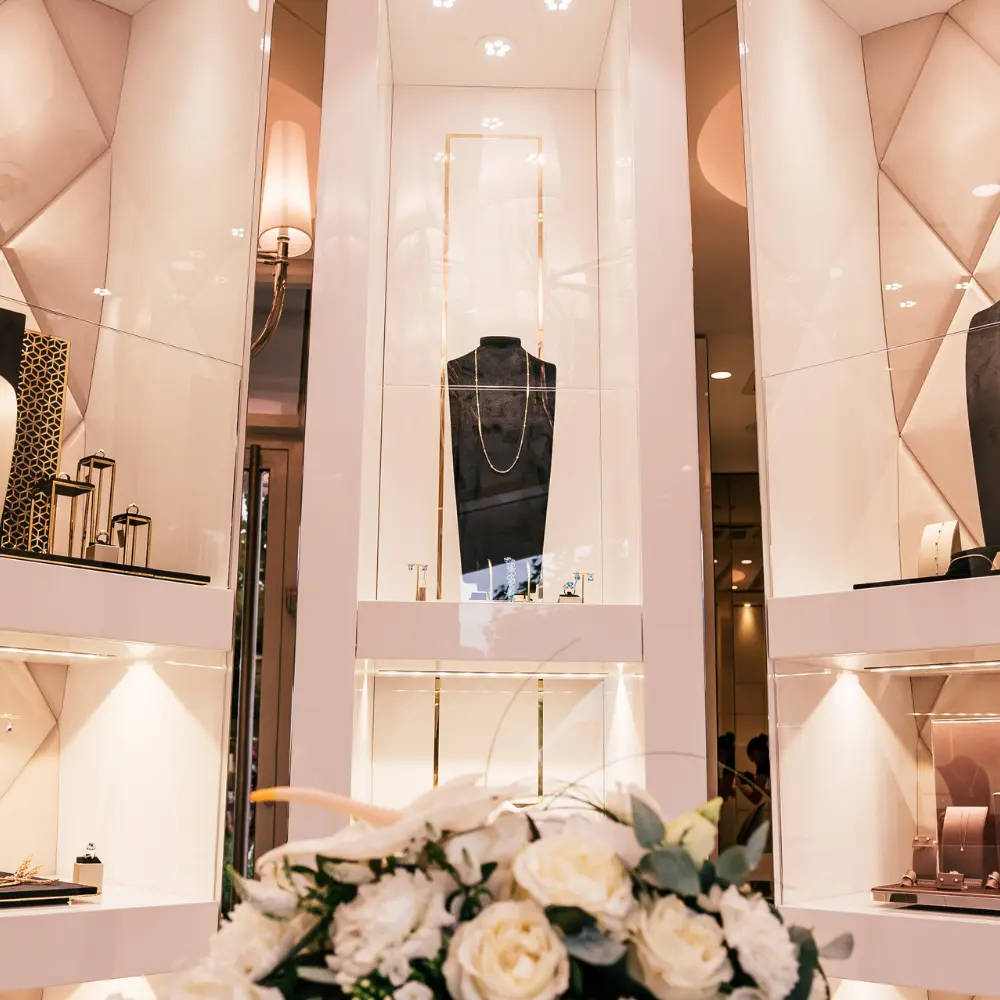
Balatonfüred is more than just a destination – it’s a promise. A place where culture, nature, and refined style come together in perfect harmony along the shores of Lake Balaton. And nestled like a jewel along the iconic Tagore Promenade, you’ll find Moni’s Diamond Boutique – a fine jewelry store that offers far more than just shopping. It is a space where timeless luxury, personal care, and enduring value take center stage.

Located just a few steps from St. Stephen’s Basilica, Moni’s Diamond jewelry store welcomes those who are not simply looking for jewelry, but for meaning, emotion, and timeless value.
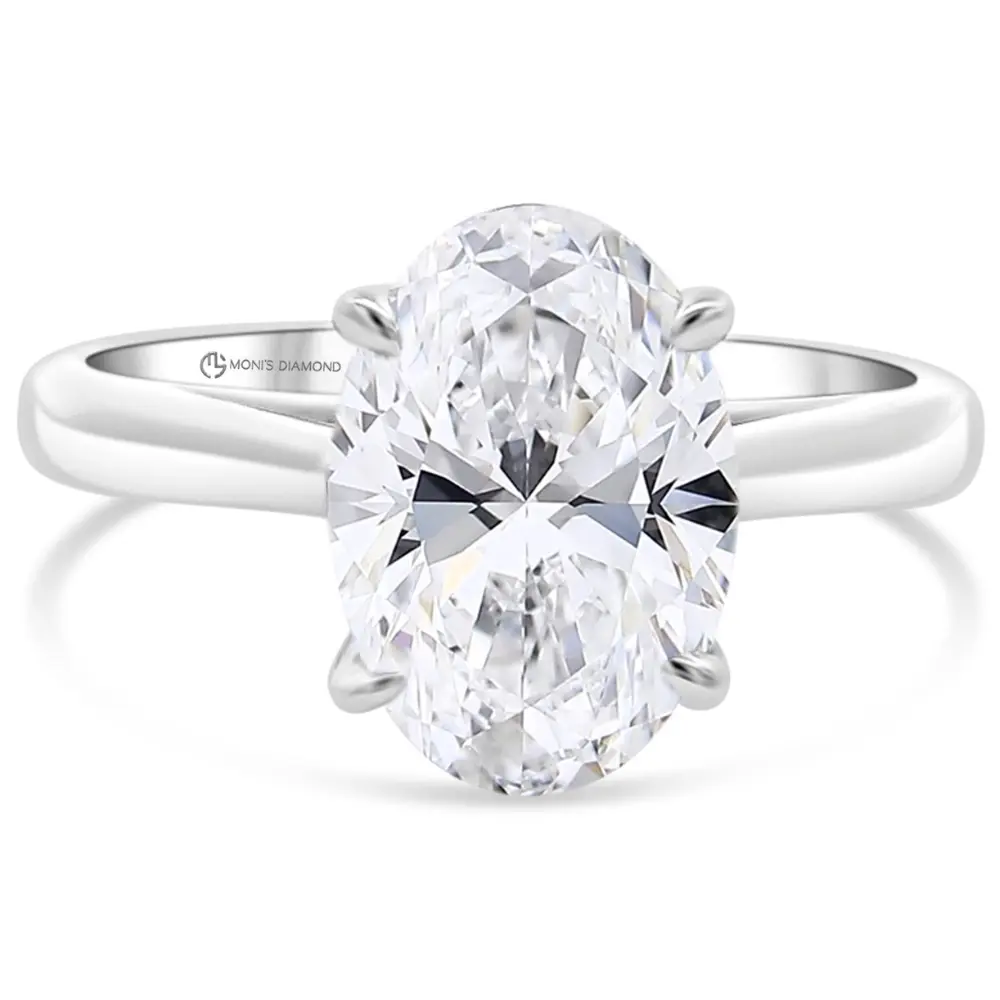
The oval cut diamond is one of the most sought-after shapes, blending the brilliant sparkle of a classic round diamond with a gracefully elongated silhouette. No wonder oval diamond engagement rings have become a favorite among brides worldwide — they flatter the hand by creating the illusion of longer, slender fingers, all while offering dazzling brilliance with every movement.
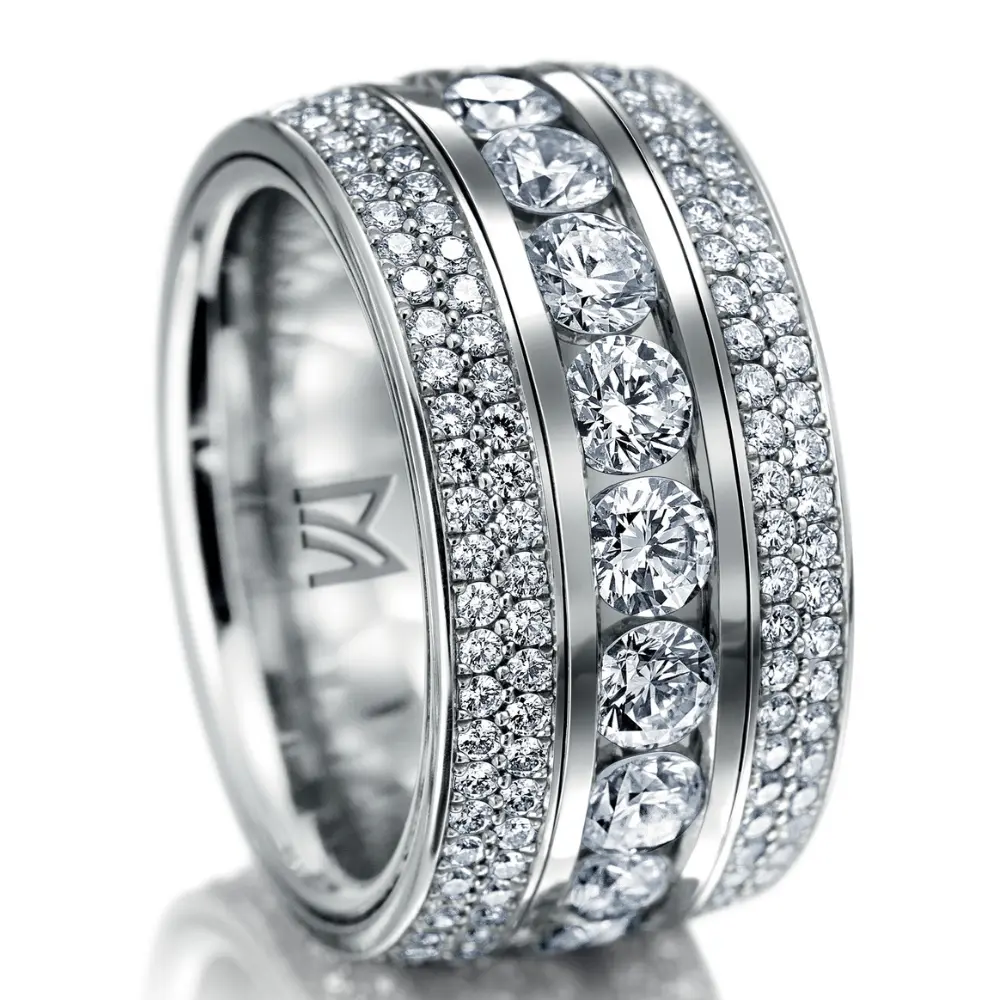
In the world of diamond jewelry, few innovations seamlessly blend masterful craftsmanship with modern design dynamics. The Meister Girello diamond ring is one such rarity—featuring a unique spinning mechanism that brings the brilliance of diamonds to life from every angle.

In our previous article, we explored in detail what diamond clarity truly means and why pursuing a “perfect” grading does not necessarily lead to the most beautiful result. When the choice moves toward a specific diamond engagement ring, however, the next step becomes unavoidable: understanding the international grading systems used to officially assess diamond clarity.
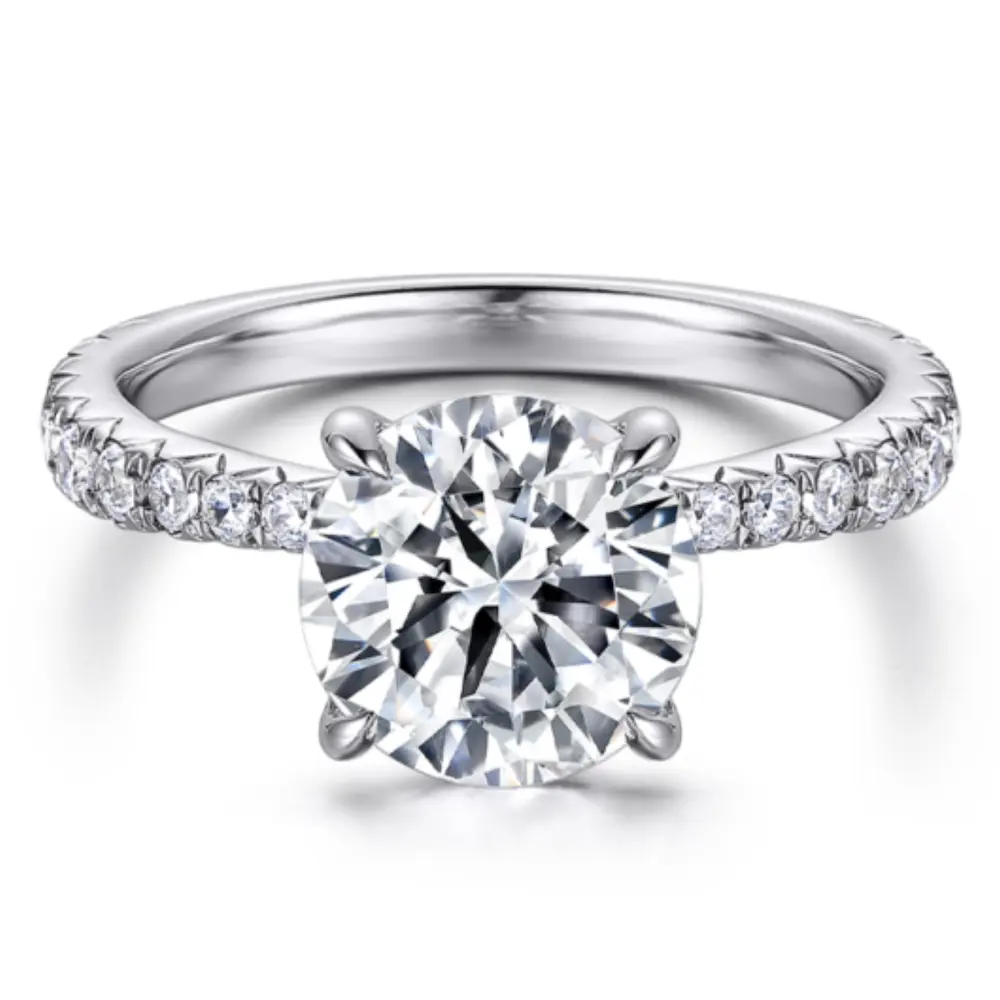
A diamond engagement ring is more than a gift: it’s a promise, a story, and a lifelong keepsake. When a diamond catches the light, it’s not only the stone that sparkles — it’s the emotion it carries. But how do you find the ring that truly stands the test of time? This guide answers every key question.
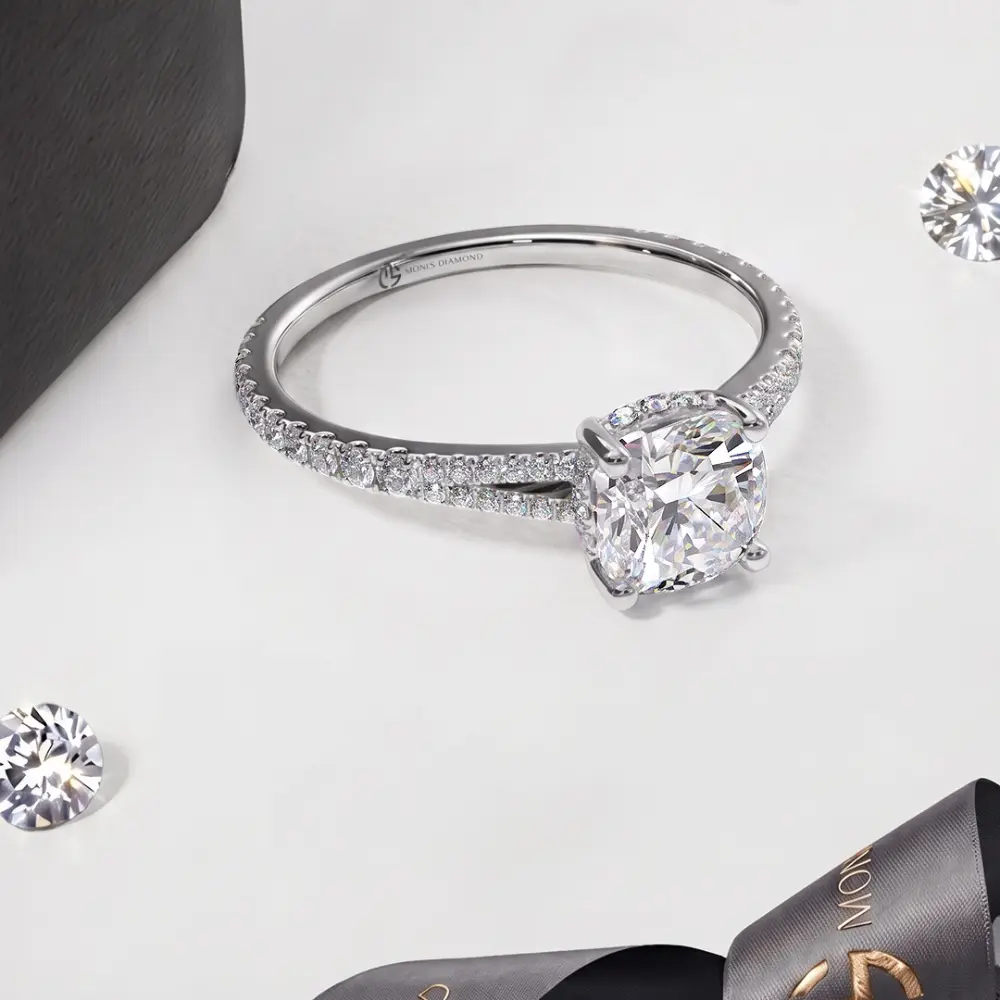
A cushion-cut diamond is instantly recognisable by its square or slightly rectangular shape, rounded corners and softly curved outline. Look a little closer, however, and the picture becomes far more complex. Two cushion-cut diamonds of the same carat weight can differ considerably in their proportions, light performance and overall character.
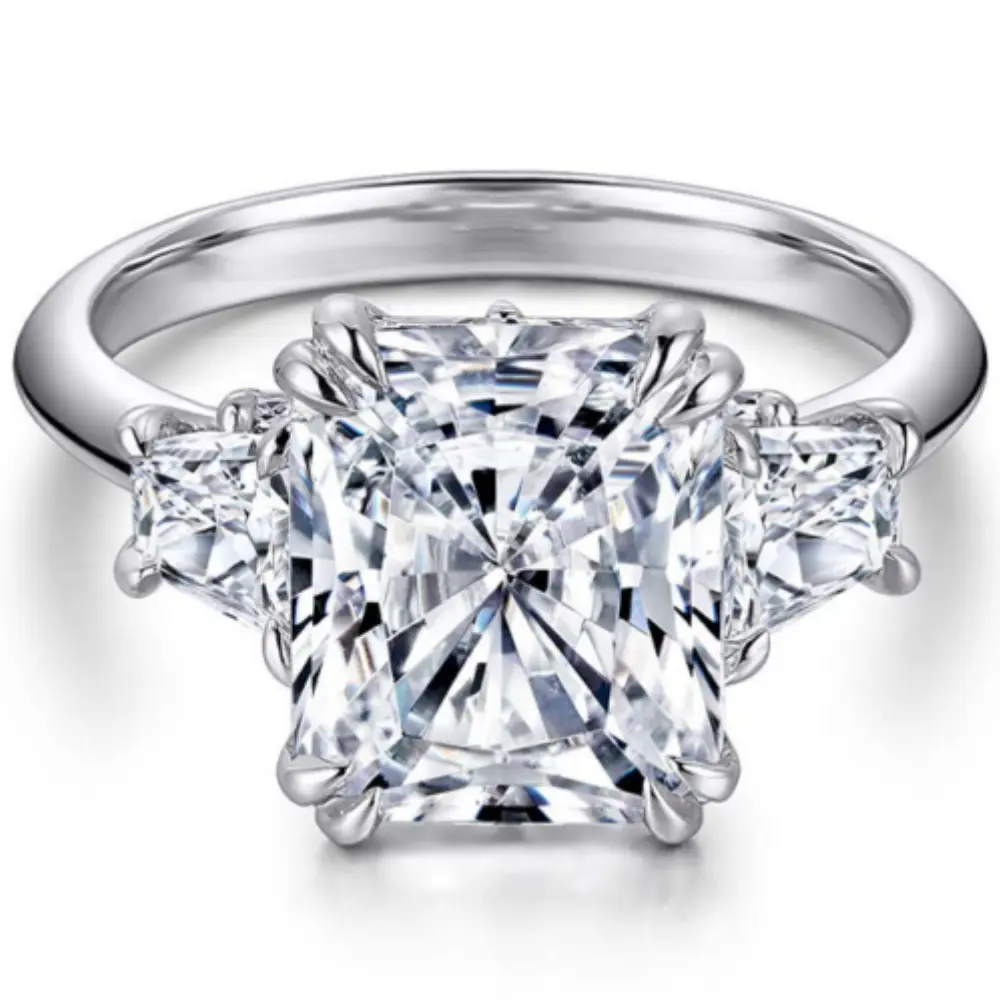
A diamond engagement ring is no longer just a classic piece of jewellery, it is a reflection of a personal story. In the world of luxury, a clear shift is taking place: instead of mass-produced designs, the focus is moving toward bespoke creations, designed specifically for the individual.