


Magazine
Why no two cushion-cut diamond rings are quite the same

A cushion-cut diamond is instantly recognisable by its square or slightly rectangular shape, rounded corners and softly curved outline. Look a little closer, however, and the picture becomes far more complex. Two cushion-cut diamonds of the same carat weight can differ considerably in their proportions, light performance and overall character.
A cushion-cut diamond is instantly recognisable by its square or slightly rectangular shape, rounded corners and softly curved outline. Look a little closer, however, and the picture becomes far more complex. Two cushion-cut diamonds of the same carat weight can differ considerably in their proportions, light performance and overall character.
That variety is part of the appeal. While the round brilliant is judged against a much more established set of proportions, there is no single ideal formula for a cushion cut. It can be almost perfectly square or elegantly elongated, with broad, defined flashes of light or a finer, more intricate pattern of sparkle. This makes the diamond itself particularly important when choosing a cushion-cut diamond ring, the information on the grading report tells only part of the story.
Where does the cushion cut come from?
The modern cushion cut is the result of a long evolution in diamond cutting. Its predecessors include the early cushion-shaped brilliant cuts that became popular well before modern cutting techniques were developed. Designed for the lighting and technology of their time, these diamonds typically had larger facets, softer outlines and a very different play of light from the modern brilliant cuts we know today.
The contemporary cushion cut is a modern interpretation of this historic shape. Its rounded corners and characteristic pillow-like outline remain, while newer facet arrangements can produce a much livelier and more intense display of light.
This balance between old and new is part of what makes the cushion particularly appealing as the centre stone of a diamond engagement ring. It is less geometric than an emerald or princess cut, yet more defined in shape than a round brilliant. As a result, it sits naturally in both classic and contemporary settings.
Why are cushion-cut diamonds so varied?
The term cushion cut actually covers a surprisingly broad range of diamonds. Even the basic outline can vary considerably: some stones are almost square, while others are distinctly elongated. The curvature of the corners, the shape of the sides, the depth and the facet arrangement all influence the diamond's final appearance.
The length-to-width ratio is a useful starting point when considering shape. A ratio close to 1:1 produces a nearly square diamond, while higher ratios create an increasingly elongated silhouette. There is no single ratio that is inherently better than another. It is ultimately a question of the character you prefer and how the proportions look on the hand.
The internal facet structure can create even greater differences. Two cushion-cut diamonds with very similar outlines can interact with light in entirely different ways, which is why carat weight alone tells us particularly little about how a cushion diamond will actually look.
Cushion brilliant or cushion modified brilliant?
Different descriptions can appear on grading reports for cushion-cut diamonds, most commonly cushion brilliant and cushion modified brilliant. The distinction lies primarily in the arrangement of the facets.
A more traditional cushion brilliant may produce broader, more clearly defined flashes of light. Some modified brilliants, by contrast, display a much finer and denser pattern of reflections. This is often referred to in the trade as a crushed ice effect, as the interior of the diamond can resemble finely fractured ice.
These terms should not, however, be treated as quality grades. A cushion modified brilliant is not automatically inferior, just as a cushion brilliant is not necessarily more beautiful. What matters is how effectively light travels through the stone, whether there are distracting dark or lifeless areas, and how balanced the diamond appears as a whole.
Which settings work best with a cushion-cut diamond?
One of the strengths of the cushion cut is its versatility. It works beautifully across very different styles of diamond ring. A refined solitaire allows the outline of the centre stone to take precedence, while a pavé band can introduce additional brilliance without competing with the diamond itself.
A halo creates a different set of proportions. Here, the centre diamond is surrounded by smaller stones, increasing the overall diamond-set surface and giving greater definition to the cushion outline. For those drawn to a more classic aesthetic, a design with side stones can be equally compelling.
A setting, however, should never be considered purely in aesthetic terms. The rounded corners of a cushion cut are less exposed than the pointed corners of some angular diamond shapes, but secure setting remains essential. The position, thickness and proportions of the prongs therefore influence both the appearance of the finished ring and how well it performs as an everyday piece over time.
Who is a cushion-cut diamond ring for?
A cushion cut can be an enduring choice for someone who wants something different from the classic round brilliant without moving towards a particularly sharp or geometric shape. Its rounded outline gives it a softer appearance, while its square or elongated proportions lend the diamond a distinctive presence.
At Moni's Diamond jewellery store, our diamond and gemstone specialists guide clients through the different diamond cuts and the characteristics that distinguish one stone from another. Alongside the diamond rings available from our collection, we also offer bespoke diamond engagement ring design, allowing everything from the centre diamond and setting to the precious metal and smallest design details to be individually selected.
Choosing the right cushion-cut diamond engagement ring is therefore less about finding a single ideal ratio or a perfect set of specifications on paper. With this particular cut, the character of the diamond matters enormously, how it responds to light, the balance of its shape, how it looks on the hand and how naturally it works with the chosen setting. That individuality is precisely what makes the cushion cut so compelling.
(Image: Moni's Diamond)
APPOINTMENT BOOKING
Reserve your preferred time slot to enjoy a personalized and unforgettable jewelry design experience. Our experts will focus exclusively on you, ensuring every detail is perfect and every moment feels special.
Booking online: https://www.monis.hu/en/appointment-booking
Booking by phone: +36 70 427 0053
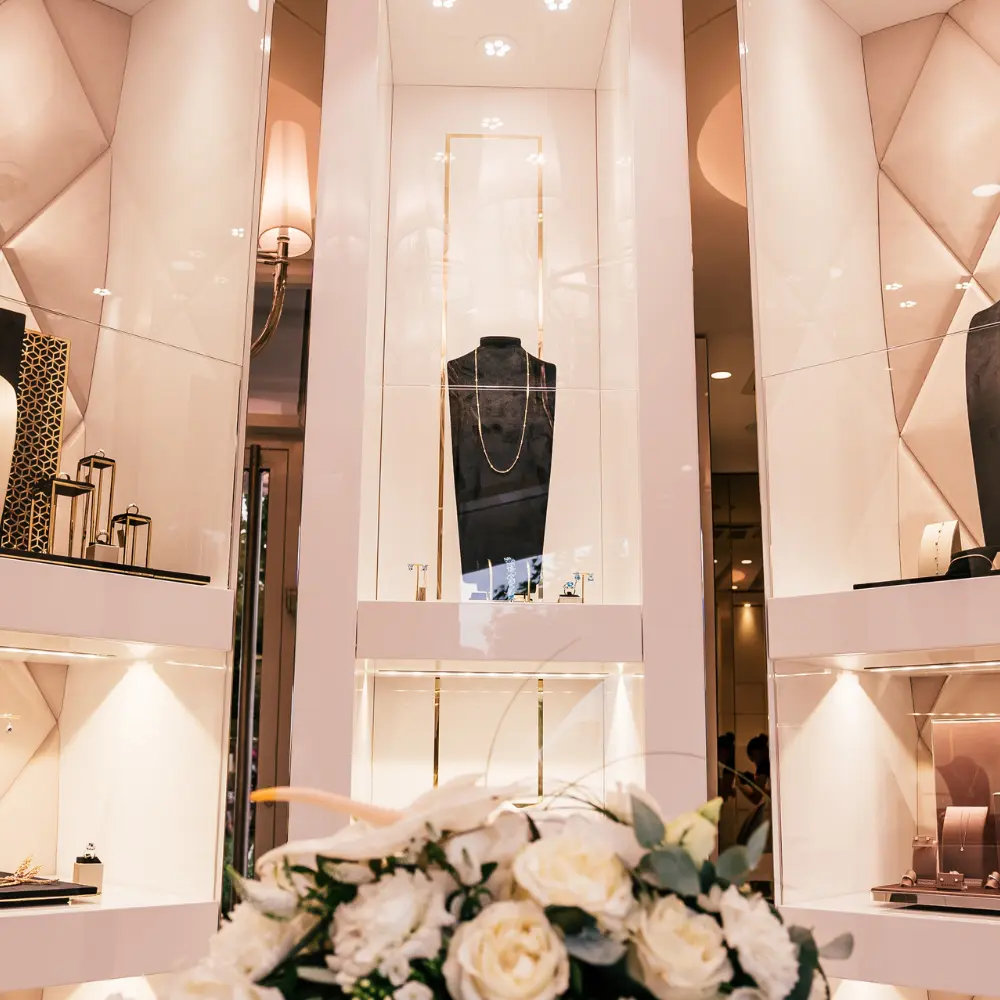
Balatonfüred is more than just a destination – it’s a promise. A place where culture, nature, and refined style come together in perfect harmony along the shores of Lake Balaton. And nestled like a jewel along the iconic Tagore Promenade, you’ll find Moni’s Diamond Boutique – a fine jewelry store that offers far more than just shopping. It is a space where timeless luxury, personal care, and enduring value take center stage.

Located just a few steps from St. Stephen’s Basilica, Moni’s Diamond jewelry store welcomes those who are not simply looking for jewelry, but for meaning, emotion, and timeless value.
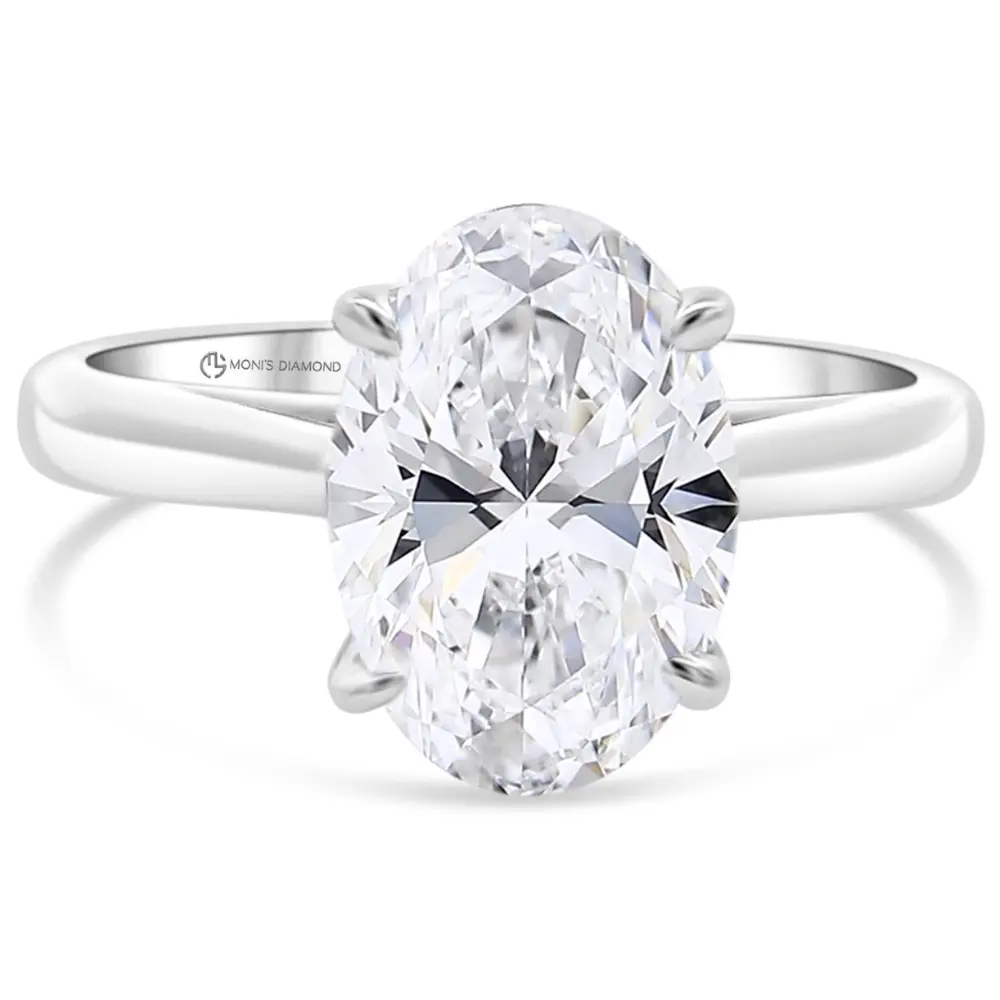
The oval cut diamond is one of the most sought-after shapes, blending the brilliant sparkle of a classic round diamond with a gracefully elongated silhouette. No wonder oval diamond engagement rings have become a favorite among brides worldwide — they flatter the hand by creating the illusion of longer, slender fingers, all while offering dazzling brilliance with every movement.

In our previous article, we explored in detail what diamond clarity truly means and why pursuing a “perfect” grading does not necessarily lead to the most beautiful result. When the choice moves toward a specific diamond engagement ring, however, the next step becomes unavoidable: understanding the international grading systems used to officially assess diamond clarity.

Diamond color is one of the defining elements of the 4Cs and has a direct impact on pricing. Diamonds in the D–F range are classified as colorless and are rarer, which places them in a higher price bracket. As one moves down the scale and a subtle yellow tint becomes present in the stone, prices generally decrease gradually.
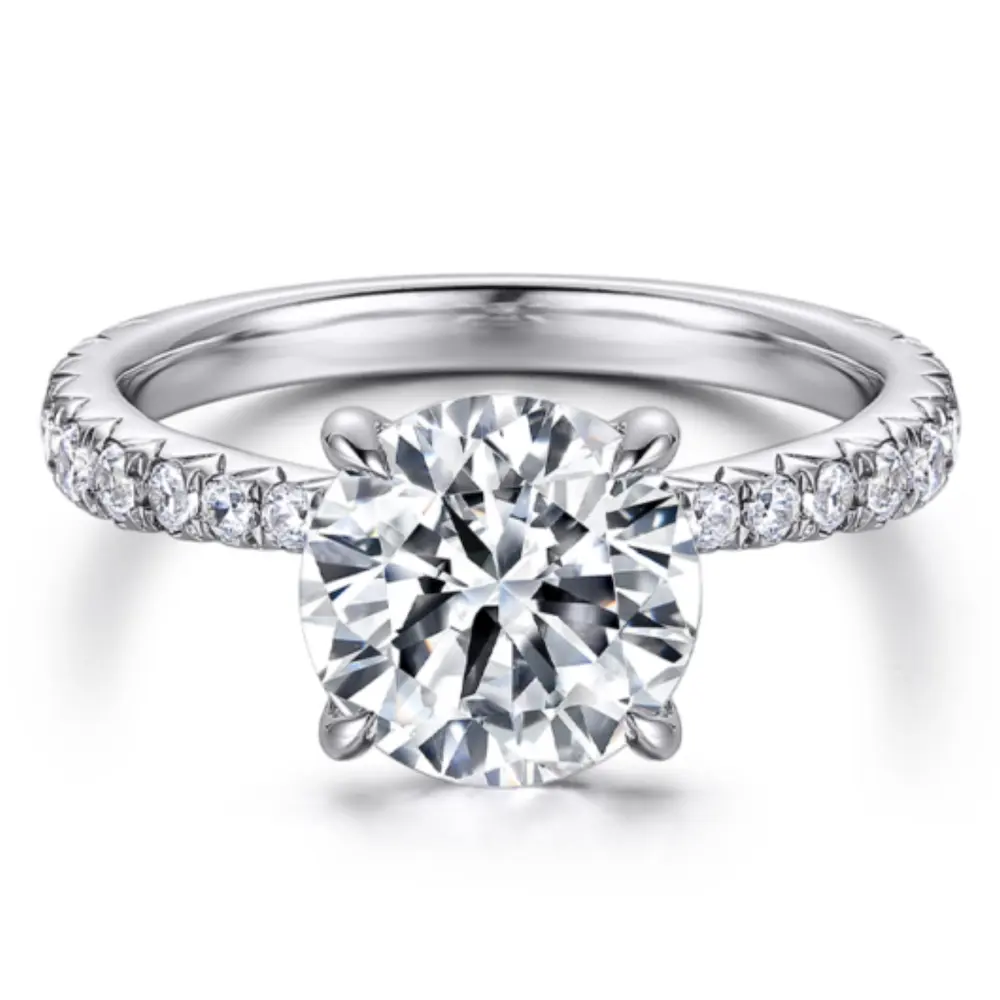
A diamond engagement ring is more than a gift: it’s a promise, a story, and a lifelong keepsake. When a diamond catches the light, it’s not only the stone that sparkles — it’s the emotion it carries. But how do you find the ring that truly stands the test of time? This guide answers every key question.

With the help of Moni’s Diamond jewelry experts, this guide explains what a "brill stone" actually is — and why the brilliant cut remains the most valuable and iconic of all diamond cuts. It walks you through the key steps of choosing a brilliant-cut diamond ring, from understanding the fundamentals to selecting the right style and certification. You’ll also find practical tips for evaluating quality, balancing carat and cut, and ensuring long-term care.
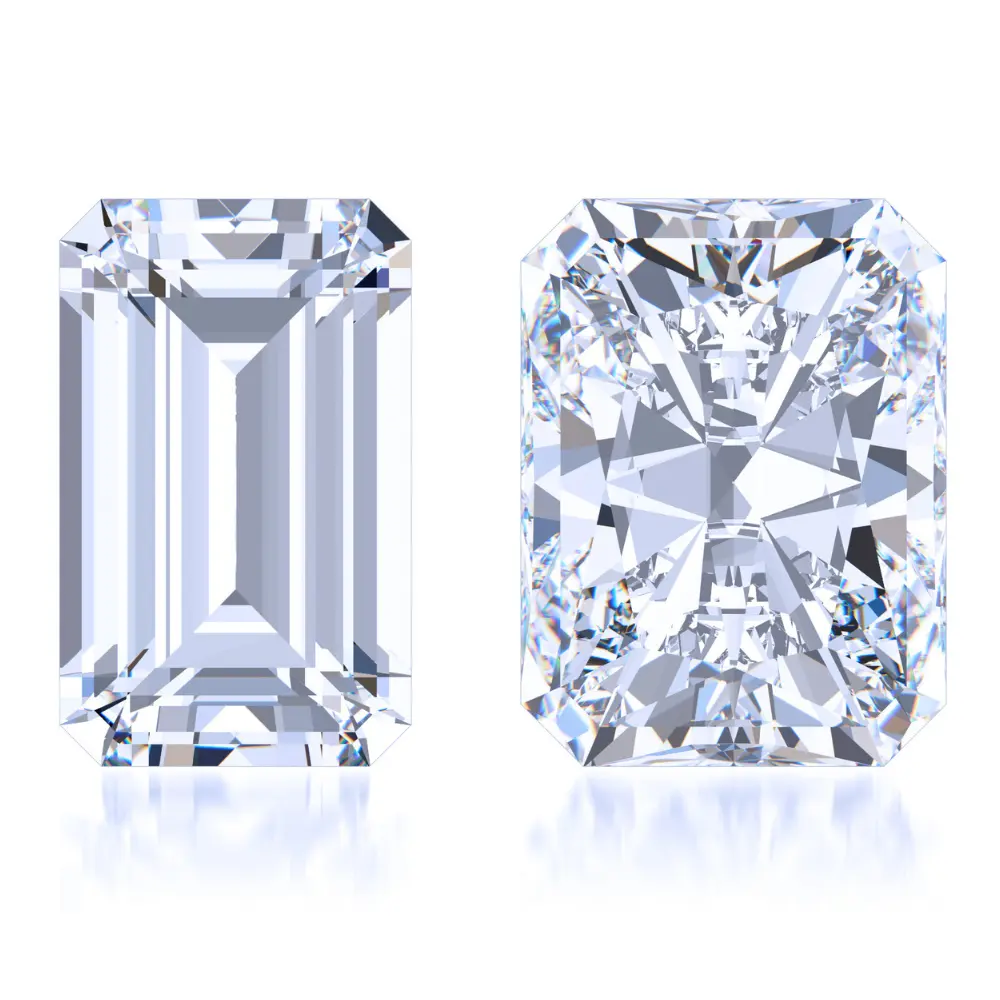
When choosing a diamond engagement ring, the diamond cut is far more than a question of shape. The cutting style determines how light travels through the stone, defines its character, and ultimately shapes the impression the ring conveys when worn. At first glance, emerald and radiant cuts may appear similar — both feature a rectangular outline with clean, refined lines — yet they create distinctly different visual experiences.