


Magazine
How big is a 1 carat diamond?
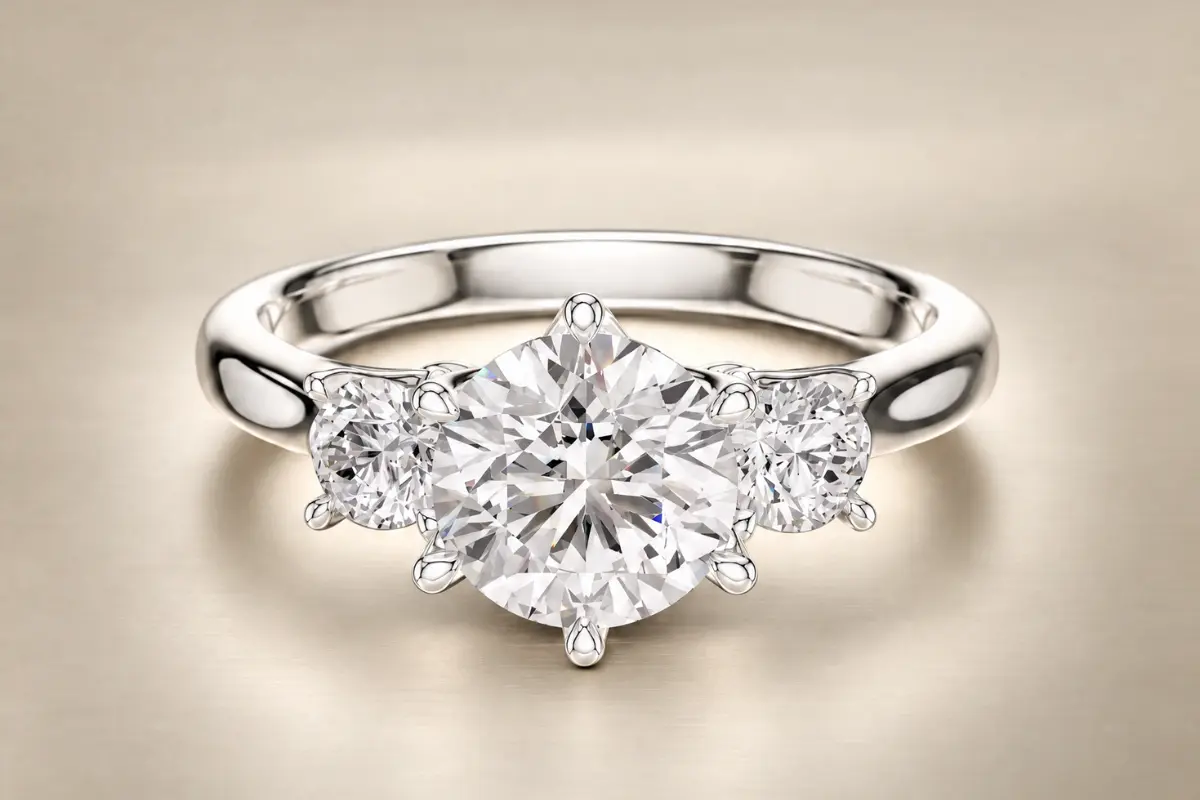
A 1 carat diamond is a common point of reference when choosing a diamond engagement ring. Carat weight alone, however, does not tell us how large a diamond will actually look. Two diamonds that both weigh 1.00 carat can differ in diameter, face-up size and proportions, particularly when comparing different shapes.
A 1 carat diamond is a common point of reference when choosing a diamond engagement ring. Carat weight alone, however, does not tell us how large a diamond will actually look. Two diamonds that both weigh 1.00 carat can differ in diameter, face-up size and proportions, particularly when comparing different shapes.
A well-proportioned 1 carat round brilliant diamond typically measures around 6.4–6.5 millimetres in diameter. A 1 carat oval, pear or emerald-cut diamond, however, can have very different dimensions.
When buying a diamond, it is therefore worth looking beyond carat weight to the exact measurements and proportions stated on the grading report. These provide a much better indication of how the diamond is likely to look once set in a ring.
What does 1 carat actually mean?
Carat is a unit of weight, not size. One carat is exactly 0.2 grams.
This distinction matters because the same weight can be distributed very differently within a cut diamond. Two 1.00 carat stones do not necessarily have the same width, length or depth.
If a disproportionate amount of a diamond’s weight is carried in the lower part of the stone, it may look smaller from above than another diamond of similar carat weight with more balanced proportions. A larger diameter, however, does not automatically indicate a better cut. If a diamond is too shallow, its proportions can affect the way light travels through the stone and compromise its optical performance.
The aim, therefore, is not simply to find the largest possible diameter at a given carat weight.
How big is a 1 carat round brilliant diamond?
Round brilliant diamonds provide a useful benchmark. A well-proportioned 1.00 carat round brilliant typically measures around 6.4–6.5 mm in diameter.
This is not a fixed size. One 1 carat round diamond might measure 6.35 mm across, while another may measure 6.50 mm, despite both having exactly the same weight. The difference comes down to the stone’s overall proportions, including the relationship between its diameter and depth.
This is why a diamond grading report records more than carat weight. For a round diamond, it will also state the minimum and maximum diameter and the depth, for example 6.45 × 6.48 × 3.95 mm.
These measurements are worth considering when buying a diamond, particularly when comparing several stones of similar carat weight.
Do all 1 carat diamonds look the same size?
No. Diamond shape has a significant effect on how large a stone appears.
The weight of a round brilliant is distributed relatively symmetrically. Elongated shapes such as oval, marquise and pear can extend further along the finger and may therefore appear larger at the same carat weight.
A 1 carat oval diamond, for example, might measure around 8 × 5.5–6 mm, although proportions vary considerably from one stone to another. Of two ovals with the same weight, one may be longer and narrower while the other is shorter and wider. The difference is not simply one of size, it also changes the overall character of the diamond.
The same applies to emerald, cushion, princess, pear and marquise cuts. There is no single measurement in millimetres that applies to every 1 carat diamond.
Why do some 1 carat diamonds look larger than others?
What we perceive as size is largely determined by the surface area the diamond presents when viewed from above. Several factors influence this at the same time, including shape, length-to-width ratio, total depth and the way the stone’s weight is distributed between the crown and pavilion.
As a result, a 0.90 carat diamond can sometimes look almost as large face-up as a 1.00 carat stone. Equally, a 1 carat diamond with less favourable proportions may appear smaller than its carat weight might suggest.
Measurements in millimetres should not, however, be considered separately from cut quality. Sacrificing a diamond’s optical performance simply to gain a few tenths of a millimetre in visible size is rarely a worthwhile compromise.
Which diamond shape looks largest at 1 carat?
There is no definitive ranking because the proportions of individual diamonds can vary significantly. In general, however, elongated shapes – particularly marquise, oval and pear – can have greater visual presence at the same carat weight.
This is partly a matter of geometry. We perceive not only the surface area of a diamond, but also its maximum dimensions and the amount of space it occupies on the finger. An elongated diamond can therefore appear more prominent than a more compact shape of the same weight.
Cushion and princess cuts, by contrast, can often have smaller face-up dimensions at the same carat weight because their geometry and weight distribution are different.
The question of which shape looks largest is not necessarily the most useful starting point, however. For a diamond engagement ring, the proportions of the shape, the hand on which it will be worn and the design of the setting are equally important to the overall result.
How large does a 1 carat diamond look on the hand?
The same 1 carat diamond can look quite different on two different hands. Ring size, finger width and length, and the shape of the diamond all influence its visual proportions.
The setting also plays an important role. A fine, narrow band can make the centre diamond appear more prominent, while a wider band creates a different sense of proportion. A halo setting can substantially increase the overall visible surface of the ring by surrounding the centre stone with smaller diamonds, even though the centre diamond itself remains 1 carat.
The perceived size of a diamond ring therefore cannot be judged from the carat weight of the centre stone alone.
Is a 1 carat diamond always more expensive than a smaller diamond?
If every other characteristic were identical, a higher carat weight would generally command a higher value. In practice, however, it is rare to compare two diamonds that are identical in every other respect.
A 0.90 carat diamond with an excellent cut and higher colour and clarity grades can be more valuable than a lower-quality 1 carat stone. The value of a natural diamond is determined not only by carat weight, but by its colour, clarity, cut, shape and other gemmological characteristics.
Prices do not rise at a uniform rate as carat weight increases either. Larger, high-quality natural diamonds are rarer, and their price per carat can therefore be higher.
One carat is an important benchmark, but it is not a quality grade in itself.
What should you consider when buying a 1 carat diamond?
The first step is to look at the characteristics of the individual stone rather than carat weight alone. Colour, clarity and cut quality should be considered together and then assessed alongside the diamond’s exact measurements and proportions.
For a round brilliant, cut quality is particularly important because it has a fundamental influence on the way the diamond interacts with light. With other shapes, individual proportions and visual character play an even greater role. Two oval or two emerald-cut diamonds with the same carat weight and similar grading information can still look markedly different.
It is also advisable to choose a diamond graded by a recognised, independent gemmological laboratory. The grading report allows you to verify the exact carat weight, colour, clarity and measurements, together with other characteristics assessed by the laboratory.
At Moni’s Diamond jewelry stores, we therefore look beyond whether a diamond reaches the 1.00 carat mark. How that weight is distributed, the diamond’s optical appearance and how its proportions work with the chosen setting are equally important when selecting a stone.
One carat does not mean one size
One carat is an exact weight, but it does not correspond to one exact diameter. For a round brilliant, a diameter of around 6.4–6.5 mm is a useful reference point, while other shapes can have very different lengths and widths at the same weight.
When choosing a diamond engagement ring, carat weight is therefore only one part of the picture. Measurements in millimetres, proportions, cut quality and the setting all contribute to how large the finished ring will appear.
The question is not simply how many carats a diamond weighs, but how that weight translates visually once the diamond is worn.
(Image: Moni's Diamond)
APPOINTMENT BOOKING
Reserve your preferred time slot to enjoy a personalized and unforgettable jewelry design experience. Our experts will focus exclusively on you, ensuring every detail is perfect and every moment feels special.
Booking online: https://www.monis.hu/en/appointment-booking
Booking by phone: +36 70 427 0053
Balatonfüred is more than just a destination – it’s a promise. A place where culture, nature, and refined style come together in perfect harmony along the shores of Lake Balaton. And nestled like a jewel along the iconic Tagore Promenade, you’ll find Moni’s Diamond Boutique – a fine jewelry store that offers far more than just shopping. It is a space where timeless luxury, personal care, and enduring value take center stage.

Located just a few steps from St. Stephen’s Basilica, Moni’s Diamond jewelry store welcomes those who are not simply looking for jewelry, but for meaning, emotion, and timeless value.
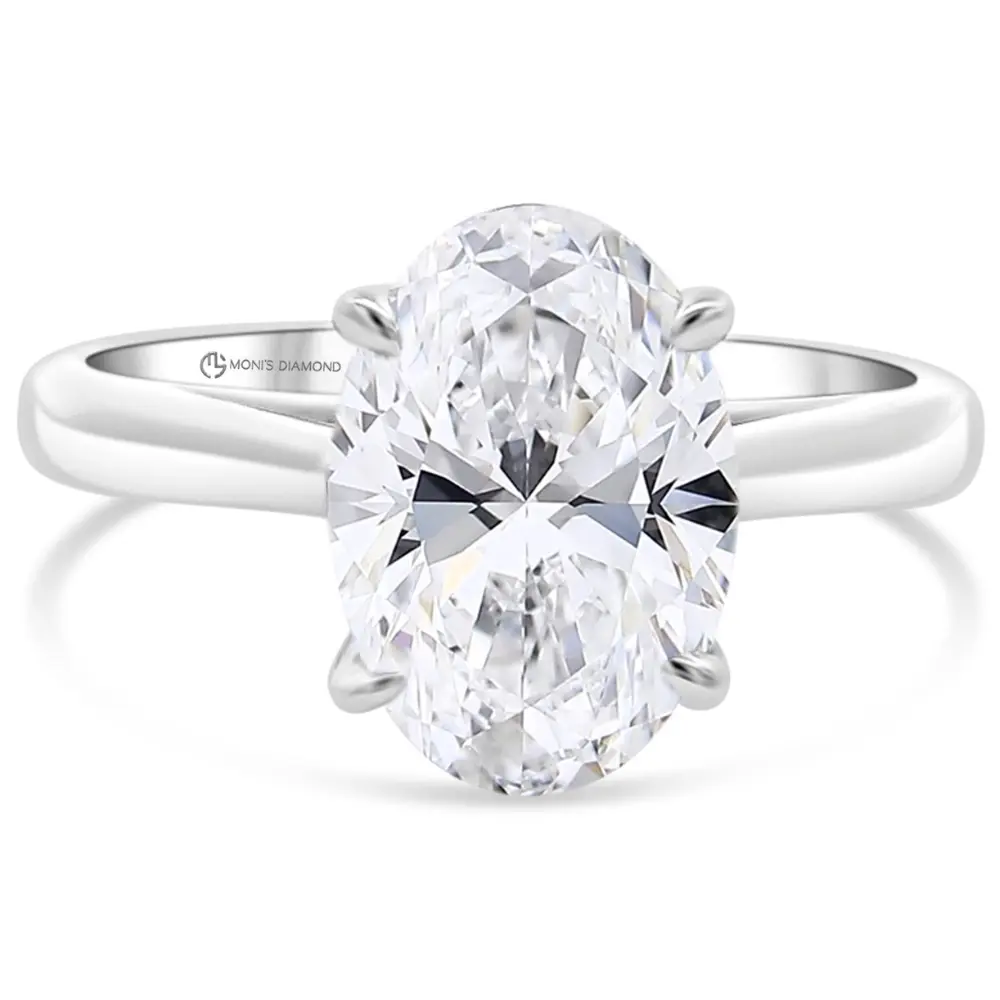
The oval cut diamond is one of the most sought-after shapes, blending the brilliant sparkle of a classic round diamond with a gracefully elongated silhouette. No wonder oval diamond engagement rings have become a favorite among brides worldwide — they flatter the hand by creating the illusion of longer, slender fingers, all while offering dazzling brilliance with every movement.
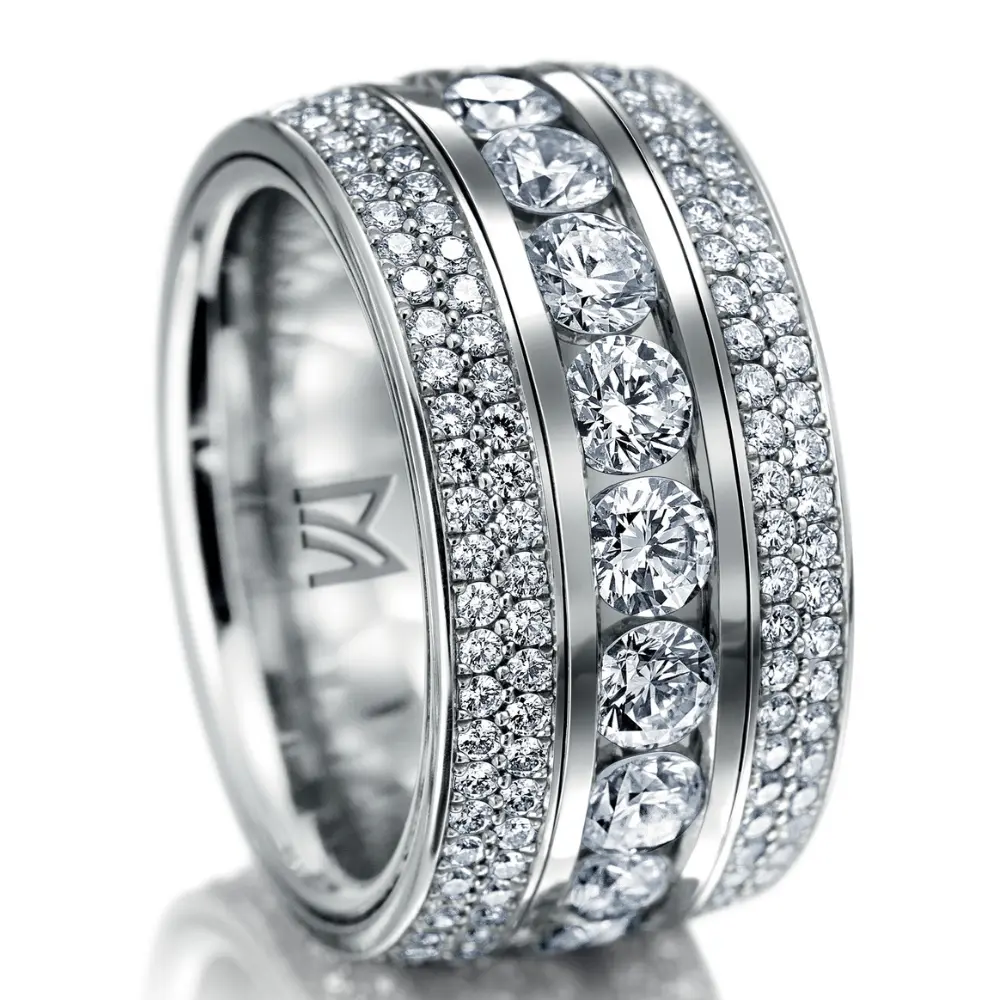
In the world of diamond jewelry, few innovations seamlessly blend masterful craftsmanship with modern design dynamics. The Meister Girello diamond ring is one such rarity—featuring a unique spinning mechanism that brings the brilliance of diamonds to life from every angle.

In our previous article, we explored in detail what diamond clarity truly means and why pursuing a “perfect” grading does not necessarily lead to the most beautiful result. When the choice moves toward a specific diamond engagement ring, however, the next step becomes unavoidable: understanding the international grading systems used to officially assess diamond clarity.
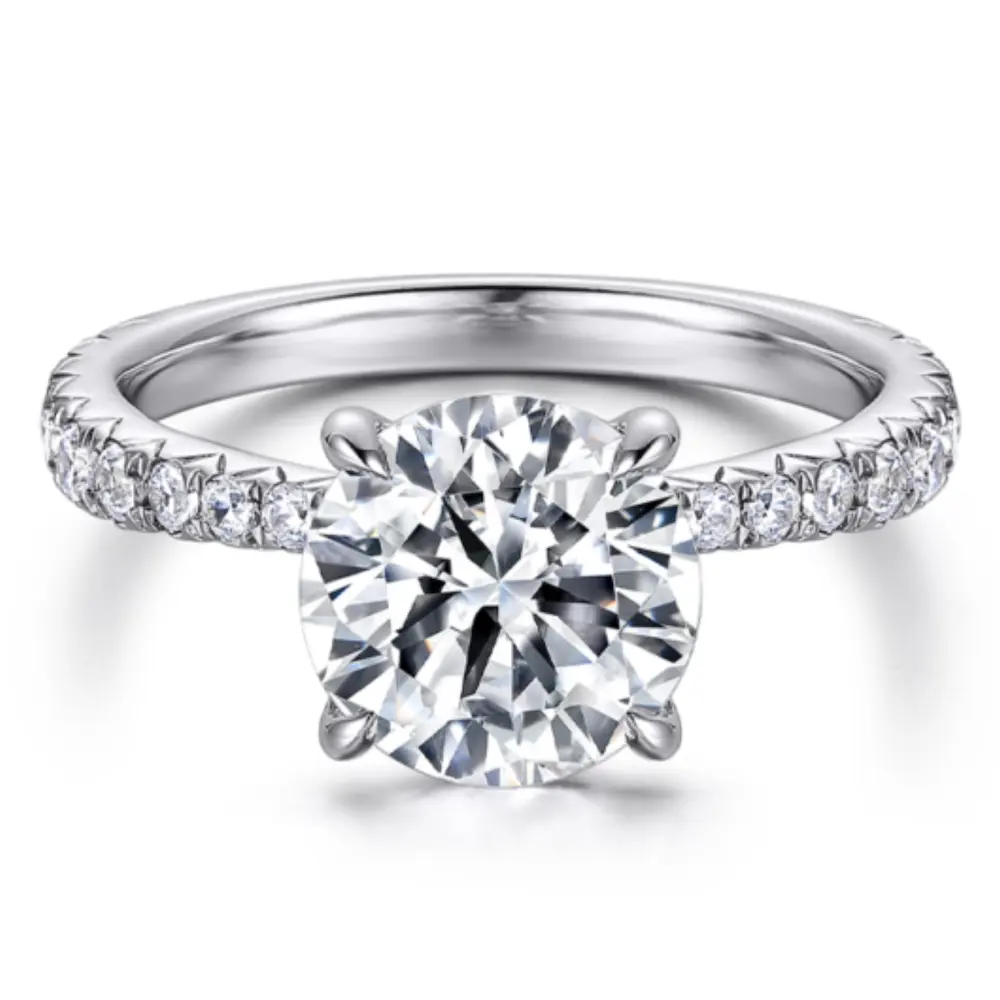
A diamond engagement ring is more than a gift: it’s a promise, a story, and a lifelong keepsake. When a diamond catches the light, it’s not only the stone that sparkles — it’s the emotion it carries. But how do you find the ring that truly stands the test of time? This guide answers every key question.
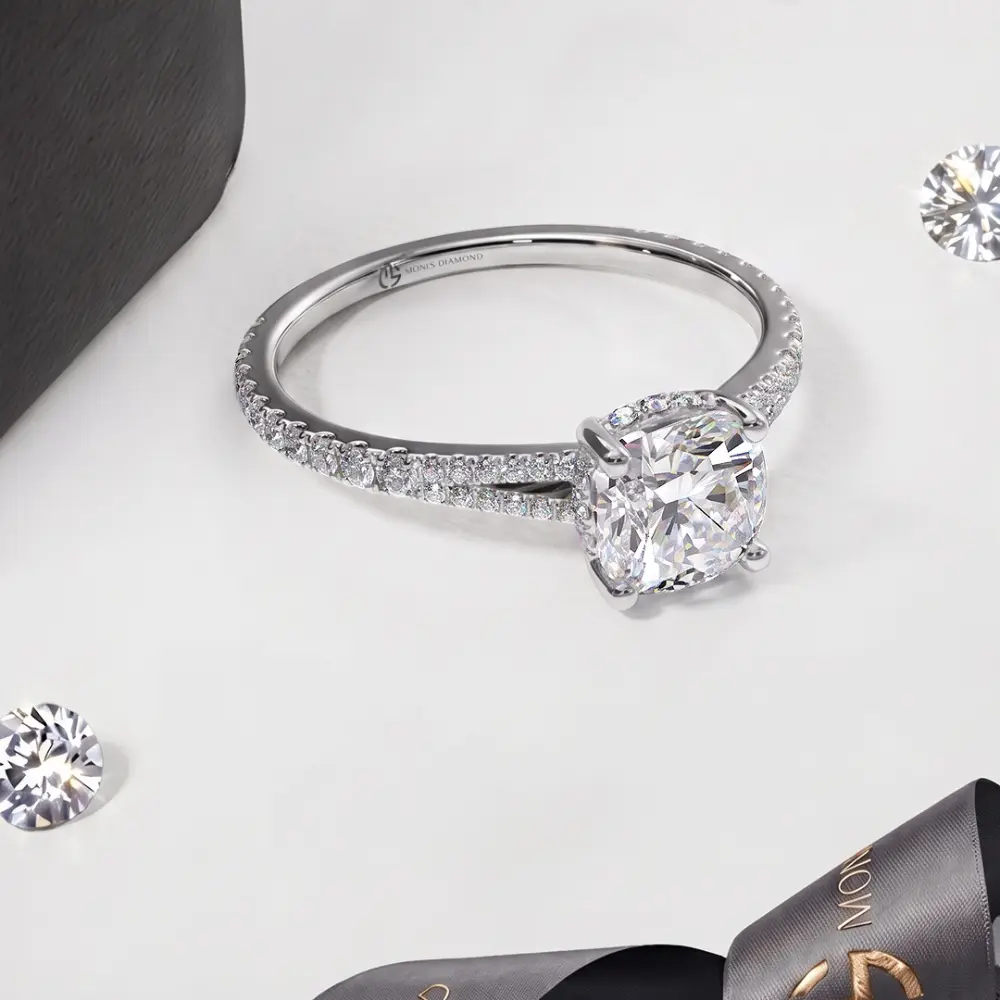
A cushion-cut diamond is instantly recognisable by its square or slightly rectangular shape, rounded corners and softly curved outline. Look a little closer, however, and the picture becomes far more complex. Two cushion-cut diamonds of the same carat weight can differ considerably in their proportions, light performance and overall character.
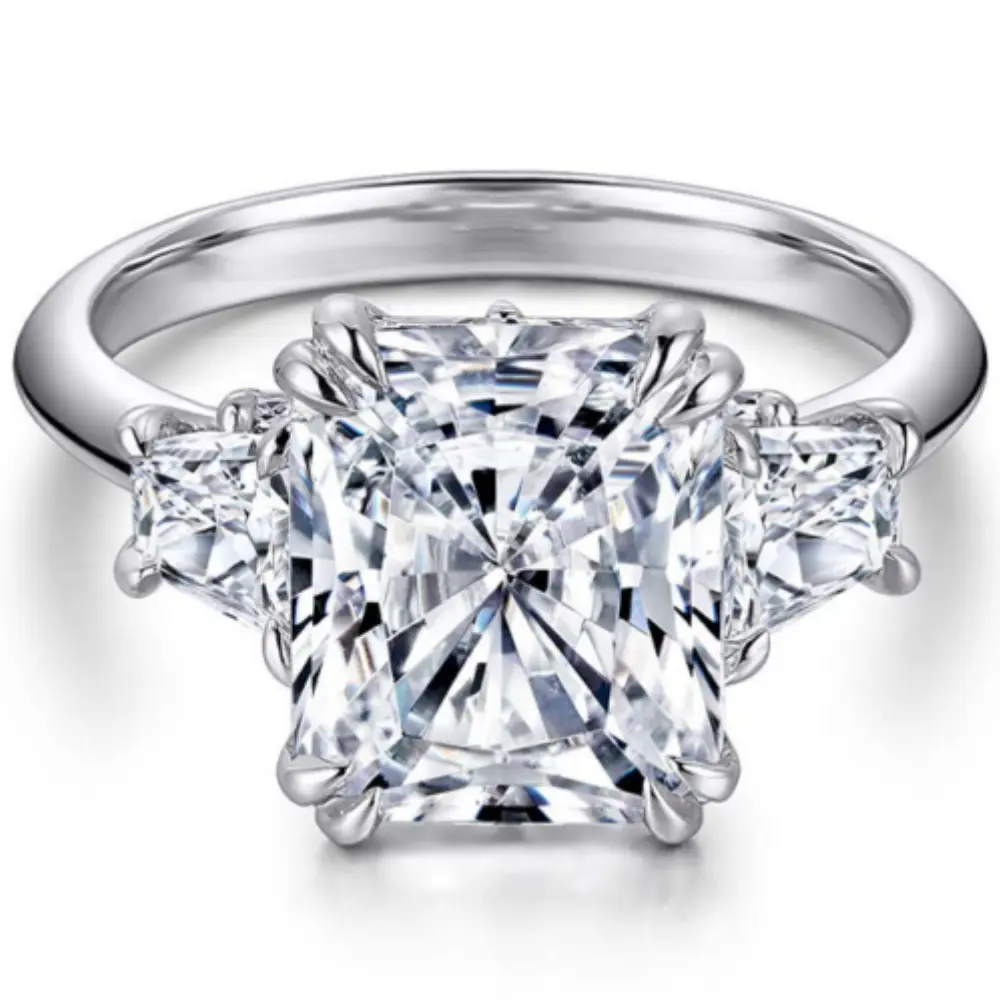
A diamond engagement ring is no longer just a classic piece of jewellery, it is a reflection of a personal story. In the world of luxury, a clear shift is taking place: instead of mass-produced designs, the focus is moving toward bespoke creations, designed specifically for the individual.