


Magazine
New era in diamond grading: GIA introduces significant changes

Diamond grading standards rarely undergo fundamental changes, which is why announcements from the Gemological Institute of America (GIA) always attract the attention of the global jewelry industry. According to information published by Rapaport, beginning in 2027 GIA will introduce official cut grades for marquise, oval, and pear-shaped diamonds. The institute will also expand the information included in its grading reports by adding new comments related to fluorescence.
Diamond grading standards rarely undergo fundamental changes, which is why announcements from the Gemological Institute of America (GIA) always attract the attention of the global jewelry industry. According to information published by Rapaport, beginning in 2027 GIA will introduce official cut grades for marquise, oval, and pear-shaped diamonds. The institute will also expand the information included in its grading reports by adding new comments related to fluorescence.
Although these developments may initially appear highly technical, they represent an important step toward greater transparency and more comprehensive diamond grading, benefiting both industry professionals and consumers.
Cut grades coming to oval diamonds and other fancy shapes
The value of a diamond has traditionally been assessed using the well-known 4Cs: carat weight, color, clarity, and cut. While cut quality plays a crucial role in the beauty of every diamond, the GIA has so far assigned an official cut grade only to round brilliant diamonds.
As a result, round brilliants could receive the prestigious Triple Excellent designation, reflecting excellence in cut, polish, and symmetry. Fancy-shaped diamonds — including oval, marquise, and pear cuts — have, until now, been evaluated only for polish and symmetry. The overall quality of the cut itself has not formed part of the official grading report, despite the fact that these shapes can differ significantly in light performance, proportions, and overall visual appeal.
Beginning in 2027, the GIA will introduce an official cut grading system for oval, marquise, and pear-shaped diamonds. This long-anticipated development reflects years of research and addresses an issue that gemologists, manufacturers, and retailers have discussed for decades, according to Rapaport.
Why this matters to buyers?
Demand for fancy-shaped diamonds has grown steadily in recent years. Oval engagement rings, pear-shaped center stones, and marquise-cut diamonds have evolved from niche choices into some of the most sought-after designs in fine jewelry.
These shapes, however, are particularly sensitive to subtle differences in cutting. Proportions, facet arrangement, and symmetry all influence how effectively a diamond reflects light, how evenly it distributes brilliance, and whether optical effects such as the well-known bow-tie phenomenon appear. Most commonly seen in oval and pear-shaped diamonds, this effect creates a darker area across the center of the stone when the cut is not optimally balanced.
Introducing an official cut grade will therefore do more than simplify professional comparisons. It will provide consumers with additional confidence by offering objective information that has previously relied largely on the expertise and visual assessment of experienced gemologists.
More nuanced approach to fluorescence
The GIA has also announced important updates regarding how fluorescence will be addressed in diamond grading reports. Fluorescence has long been one of the industry's most debated characteristics. Although diamonds with stronger fluorescence often trade at a discount, scientific research has shown that its visual impact is far more nuanced than commonly believed.
Starting in the fourth quarter of 2026, selected natural diamonds within the D-to-Z color range will receive additional comments describing the expected visual effect of fluorescence.
One possible comment will indicate that fluorescence may enhance a diamond's appearance in UV-rich environments, such as natural daylight, where it can make the stone appear brighter or more vibrant. In much rarer cases, the report may note that existing characteristics—such as reduced transparency, haziness, or milkiness—can become more noticeable under the same lighting conditions.
Importantly, GIA's research indicates that fluorescence itself does not cause haziness or milkiness. Instead, under UV-rich lighting, it may make certain pre-existing optical characteristics more apparent in diamonds where those characteristics are already present.
What does this mean for the future of diamond grading?
Taken together, these announcements highlight a clear direction for the industry. Diamond grading is evolving to provide a more complete picture of a diamond's visual performance, alongside its measurable gemological characteristics.
This is particularly significant as demand for oval, pear, and marquise diamonds continues to grow worldwide. The introduction of official cut grades is expected to strengthen confidence in these shapes, while the new fluorescence comments may help bring greater clarity to one of gemology's longest-running discussions.
Expert guidance remains essential
Although GIA's updated grading reports will provide more detailed information than ever before, selecting a diamond will never be based solely on reading a certificate.
Cut proportions, light performance, the visual impact of fluorescence, and the unique personality of each fancy shape all require expert interpretation. A laboratory report remains an essential foundation, but making a truly informed decision still depends on combining objective grading with professional gemological expertise.
The changes announced by the GIA reflect a broader shift toward greater transparency, stronger consumer education, and grading standards supported by ongoing scientific research. In the long term, these developments represent an important step forward — not only for the diamond industry, but also for anyone looking to purchase a diamond with confidence.
(Image: Moni's Diamond)
APPOINTMENT BOOKING
Reserve your preferred time slot to enjoy a personalized and unforgettable jewelry design experience. Our experts will focus exclusively on you, ensuring every detail is perfect and every moment feels special.
Booking online: https://www.monis.hu/en/appointment-booking
Booking by phone: +36 70 427 0053

Located just a few steps from St. Stephen’s Basilica, Moni’s Diamond jewelry store welcomes those who are not simply looking for jewelry, but for meaning, emotion, and timeless value.
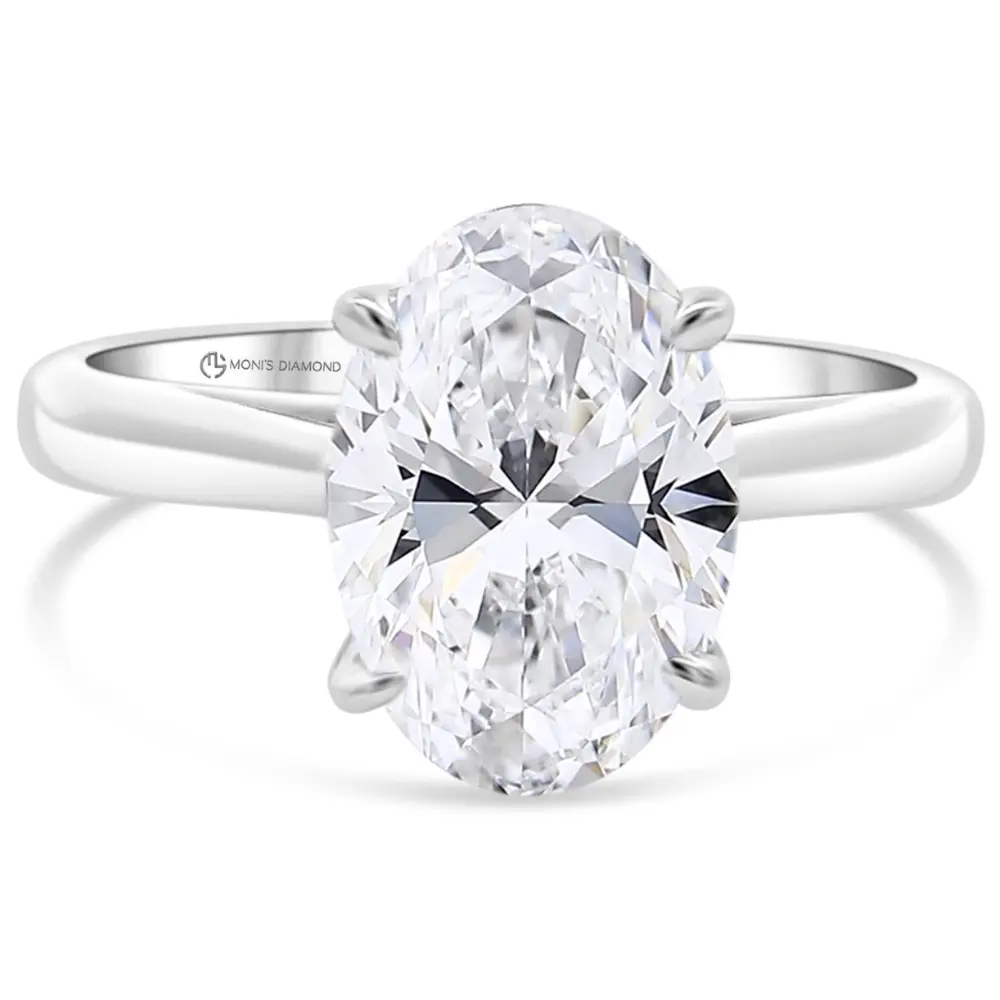
The oval cut diamond is one of the most sought-after shapes, blending the brilliant sparkle of a classic round diamond with a gracefully elongated silhouette. No wonder oval diamond engagement rings have become a favorite among brides worldwide — they flatter the hand by creating the illusion of longer, slender fingers, all while offering dazzling brilliance with every movement.

In our previous article, we explored in detail what diamond clarity truly means and why pursuing a “perfect” grading does not necessarily lead to the most beautiful result. When the choice moves toward a specific diamond engagement ring, however, the next step becomes unavoidable: understanding the international grading systems used to officially assess diamond clarity.

Diamond color is one of the defining elements of the 4Cs and has a direct impact on pricing. Diamonds in the D–F range are classified as colorless and are rarer, which places them in a higher price bracket. As one moves down the scale and a subtle yellow tint becomes present in the stone, prices generally decrease gradually.
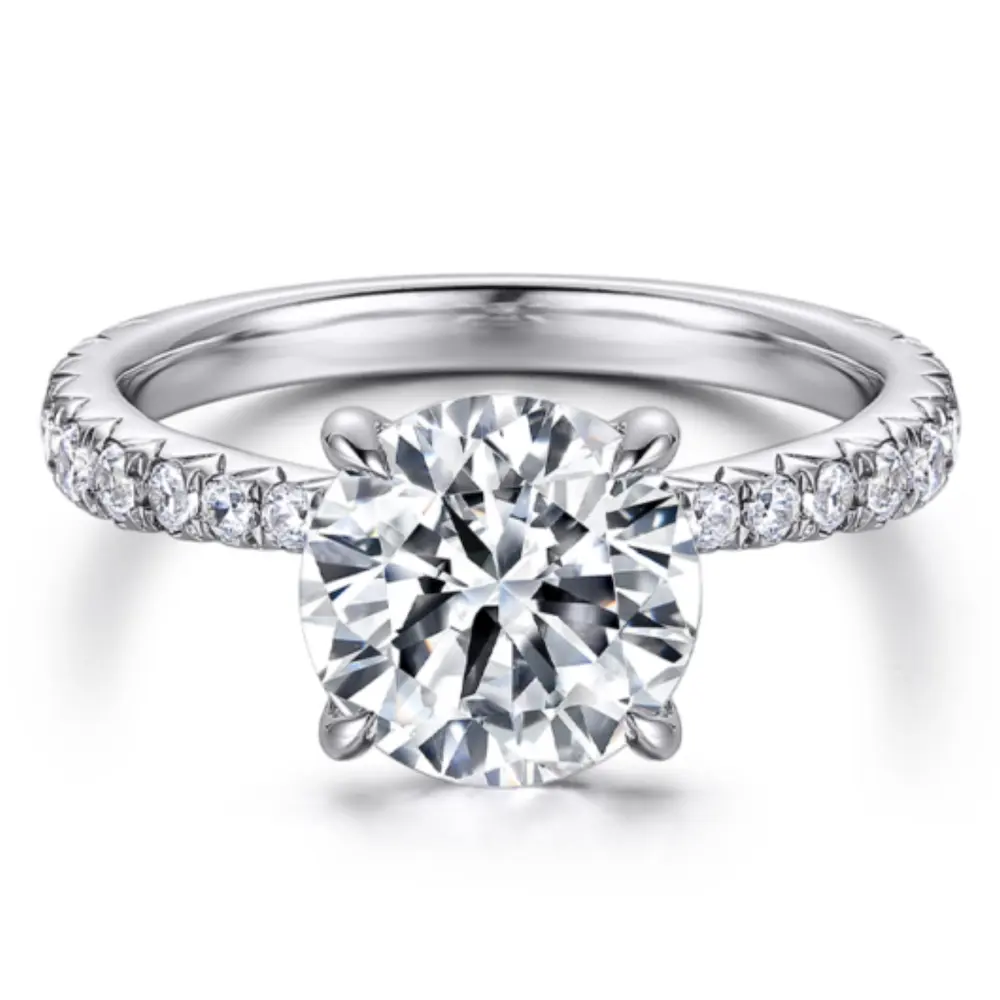
A diamond engagement ring is more than a gift: it’s a promise, a story, and a lifelong keepsake. When a diamond catches the light, it’s not only the stone that sparkles — it’s the emotion it carries. But how do you find the ring that truly stands the test of time? This guide answers every key question.

With the help of Moni’s Diamond jewelry experts, this guide explains what a "brill stone" actually is — and why the brilliant cut remains the most valuable and iconic of all diamond cuts. It walks you through the key steps of choosing a brilliant-cut diamond ring, from understanding the fundamentals to selecting the right style and certification. You’ll also find practical tips for evaluating quality, balancing carat and cut, and ensuring long-term care.
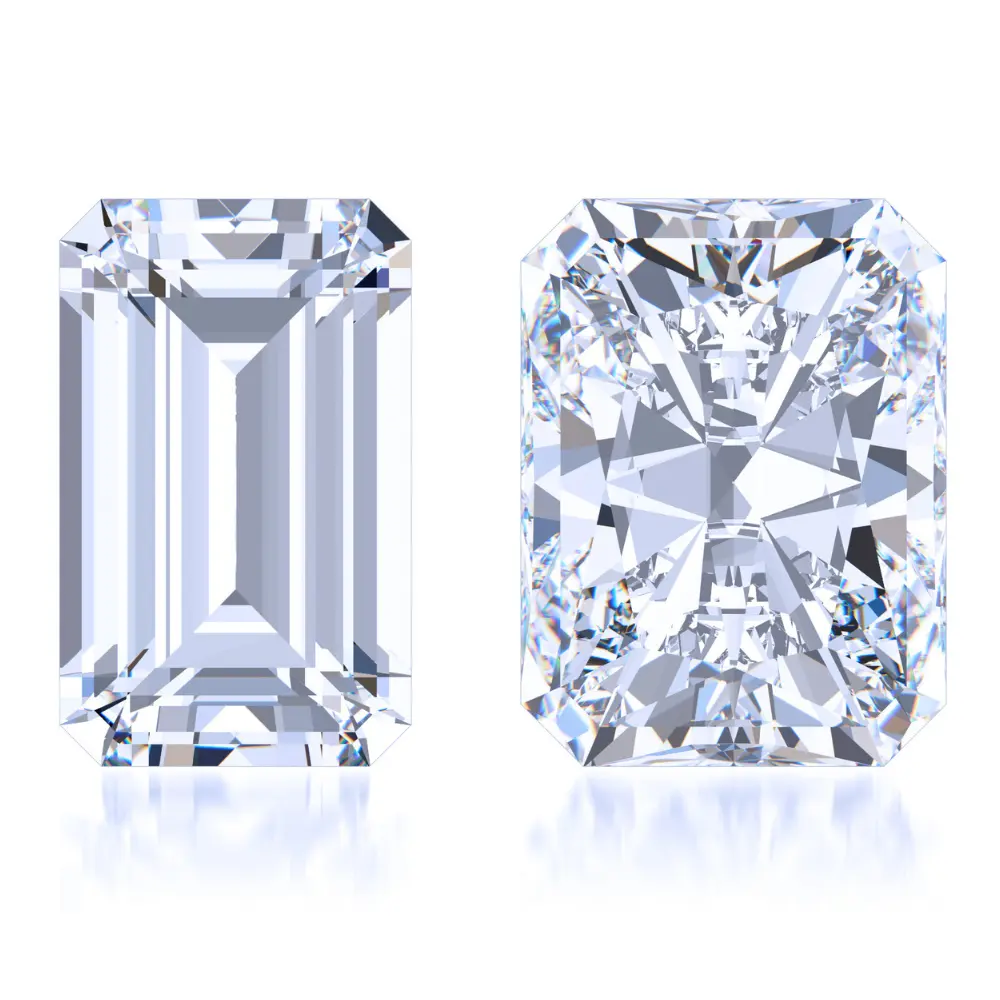
When choosing a diamond engagement ring, the diamond cut is far more than a question of shape. The cutting style determines how light travels through the stone, defines its character, and ultimately shapes the impression the ring conveys when worn. At first glance, emerald and radiant cuts may appear similar — both feature a rectangular outline with clean, refined lines — yet they create distinctly different visual experiences.