


Magazine
A guide to buying diamond jewellery

An engagement ring becomes part of a proposal that will be remembered for a lifetime. An anniversary gift carries the story of years spent together. A pair of diamond earrings or a necklace chosen for yourself often becomes the piece you reach for time and time again. The finest jewellery is never purchased for a single occasion – it becomes part of the life that follows.
Some pieces of jewellery are bought to mark a moment. Others go on to define it. An engagement ring becomes part of a proposal that will be remembered for a lifetime. An anniversary gift carries the story of years spent together. A pair of diamond earrings or a necklace chosen for yourself often becomes the piece you reach for time and time again. The finest diamond jewellery is never purchased for a single occasion – it becomes part of the life that follows.
That is what makes choosing diamond jewellery different from almost any other purchase. Beauty is only one part of the equation. The quality of the diamond, the way it has been cut, the craftsmanship of the setting and the proportions of the finished piece all influence how it will look, feel and wear over the years.
The best diamond is not always the biggest one
For most people, the search begins with the same question: How big should the diamond be?
It's an understandable place to start, but rarely where the conversation ends.
When gemmologists compare diamonds, carat weight is only one piece of a much larger picture. A diamond is judged as a whole, not as a list of individual specifications. The relationship between cut, proportions, colour and clarity is what determines how the stone performs, not any single grade on its own.
This is why two diamonds with almost identical certificates can look remarkably different in real life. One may appear brighter, livelier and more balanced, while the other feels comparatively flat despite matching it on paper.
The diamonds that leave the strongest impression are rarely defined by size alone. They are the ones that interact with light effortlessly, revealing brilliance, contrast and depth every time they move.
Why diamond jewellery stands apart
Diamonds have been admired for centuries, not only because they are rare, but because they possess qualities unlike any other gemstone.
They are the hardest naturally occurring mineral on Earth, making them exceptionally resistant to scratches. That said, hardness should never be confused with indestructibility. Like any precious gemstone, a diamond can be damaged by a heavy impact, which is why the quality of the setting is just as important as the quality of the stone itself.
Yet the enduring appeal of diamond jewellery has little to do with mineralogy.
Few objects remain as relevant decades after they were chosen as they did on the first day. A beautifully made diamond ring, necklace or pair of earrings has a way of becoming part of everyday life before quietly becoming part of a family's history. That ability to transcend fashion is what has made diamonds timeless for generations.
The conversation rarely starts with the diamond
Clients often arrive knowing the carat weight they have in mind. Experienced jewellery specialists usually begin somewhere else.
How will the piece be worn? Every day or only on special occasions? Should it feel understated or make a stronger statement? Is comfort the priority, or is the design intended to stand out?
The answers shape every decision that follows.
The ideal diamond for a solitaire pendant may not be the right choice for an engagement ring. The balance required for a pair of diamond earrings differs from that of a ring worn every day. The diamond should never be chosen in isolation. It should always be selected as part of the finished piece, where its proportions, setting and design work together as one.
The 4Cs are the starting point, not the final answer
Wherever diamonds are bought and sold in the world, they are assessed using the same universal framework: the 4Cs. Carat, Cut, Colour and Clarity provide a common language for describing a diamond's measurable characteristics and form the basis of internationally recognised grading reports.
The 4Cs are essential, but they are often misunderstood.
They are not designed to identify the "best" diamond. Their purpose is to make meaningful comparisons between different stones by describing their individual qualities in a consistent, objective way.
In practice, however, there is no single combination of grades that is right for every diamond or every piece of jewellery. The priorities for the centre stone of an engagement ring may differ from those for a pair of diamond earrings or a solitaire pendant. Likewise, the ideal balance of characteristics for a one-carat diamond is unlikely to be identical to that of a three-carat stone.
The best choice is rarely the one with the highest grades across the board. It is the one where all four characteristics work together in harmony.
Why cut quality matters more than most people realise
If there is one characteristic that has the greatest influence on a diamond's appearance, it is cut quality.
This is where many people become confused. In everyday conversation, the terms cut and shape are often used interchangeably, even though they describe two very different things. Round, oval, emerald and princess refer to the diamond's shape. Cut quality, on the other hand, describes how precisely the diamond has been fashioned and how well its proportions have been executed.
Those proportions determine the way light travels through the stone.
When a diamond is cut to optimal proportions, light enters through the top of the stone, reflects internally and returns to the eye as brilliance, fire and sparkle. If the proportions are less precise, part of that light escapes through the sides or the base of the diamond, reducing its overall visual performance — even when its colour and clarity grades are exceptionally high.
This is why experienced diamond specialists rarely judge a diamond by carat weight, colour or clarity alone. A beautifully cut diamond will often appear more vibrant and more impressive than a larger stone with higher grades but less effective light performance. More than any other characteristic, cut quality is what gives a diamond its life.
Carat weight tells only part of the story
Carat is probably the best-known term in the world of diamonds, yet it is also one of the most misunderstood.
A carat measures weight, not size. One carat is equal to 0.20 grams, but two diamonds with exactly the same carat weight may look noticeably different.
Much depends on the diamond's shape and proportions. An oval diamond, for example, often appears larger than a round brilliant of the same weight because of its elongated outline. A deeper-cut diamond, by contrast, may carry more of its weight below the surface, making it appear smaller when viewed from above.
For this reason, carat weight should never be considered in isolation. The apparent size of a diamond is always influenced by its cut quality, proportions and shape.
Higher grades are not always the better choice
Colour and clarity are both assessed using internationally recognised grading scales, and they remain important factors when selecting a diamond. Yet not every difference on a grading report is visible to the naked eye.
In many cases, two neighbouring colour or clarity grades appear virtually identical once the diamond is set in jewellery, despite a significant difference in price.
One of the most valuable aspects of expert guidance is knowing where those differences genuinely matterc— and where they do not. The goal is not to recommend the highest possible grades, but to achieve the best balance between appearance, quality and value.
Making an informed choice is rarely about compromise. It is about understanding which characteristics have the greatest impact on what you actually see.
What does a certified diamond mean?
For larger diamonds, an independent grading report is now considered an essential part of the purchasing process. Issued by a recognised gemmological laboratory, it documents the diamond's measurable characteristics, giving buyers confidence in exactly what they are purchasing.
The world's leading laboratories — including GIA, HRD and IGI — grade diamonds according to internationally recognised standards. Their reports are not opinions or marketing claims; they are independent technical assessments.
It is equally important, however, to understand what a grading report does not tell you.
A certificate evaluates the diamond itself. It does not assess the quality of the setting, the craftsmanship of the finished jewellery or how the diamond performs within the design of the piece. Those qualities can only be appreciated by seeing the jewellery as a whole.
A grading report provides clarity and confidence, but it should never replace professional judgement. It records measurable characteristics, it does not measure beauty.
Natural or lab-grown diamonds?
Few developments have changed the diamond industry as dramatically in recent years as the growing popularity of lab-grown diamonds. Understandably, many buyers are uncertain about how they differ from natural diamonds.
The answer is not found in their chemical or physical properties.
Both natural and lab-grown diamonds are composed of crystallised carbon. They share the same hardness, optical characteristics and crystal structure. The fundamental differences lie in their origin and, consequently, in how they are perceived in the marketplace.
Natural diamonds formed deep within the Earth's mantle under extreme heat and pressure over hundreds of millions — often billions — of years. Every stone is the result of a geological process that cannot be replicated by nature on a human timescale.
Lab-grown diamonds are created in carefully controlled laboratory environments over the course of weeks or months, using technology that reproduces the conditions under which natural diamonds form.
From a gemmological perspective, both are genuine diamonds.
From a market perspective, however, they occupy different positions. The enduring value of natural diamonds is closely linked to their rarity and geological origin. Lab-grown diamonds, by contrast, have become increasingly affordable as production methods have advanced and manufacturing capacity has expanded.
Rather than viewing the two as direct competitors, it is more accurate to see them as two distinct choices, each suited to different priorities and expectations.
A diamond is only part of the story
When we look at a finished piece of jewellery, our attention is naturally drawn to the diamond. Yet the beauty of the piece depends just as much on its design as it does on the gemstone itself.
Take the setting, for example. At first glance, its purpose seems straightforward: to hold the diamond securely in place. In reality, it plays a far greater role. The setting influences how light reaches the diamond, how large it appears, how prominently it sits, and ultimately, the overall character of the jewellery.
The very same diamond can look remarkably different depending on how it is set. A classic six-prong setting creates a different aesthetic from a contemporary four-prong design, while a sleek bezel setting offers an entirely different look again. There is no universally superior choice. The most successful design is always the one that complements both the diamond and the person who will wear it.
The finest pieces of diamond jewellery are those in which the diamond and its setting feel as though they were made for one another.
Which type of diamond jewellery is right for you?
One of the reasons diamonds have remained timeless is their versatility. The same gemstone can take on an entirely different character depending on the jewellery in which it is set.
Diamond rings
A diamond ring is one of the most personal pieces of jewellery anyone can own. It is worn every day, becoming part of everyday life rather than something reserved for special occasions. For that reason, lasting design almost always outlives passing trends. The most enduring rings are those whose proportions, craftsmanship and understated elegance remain as relevant years from now as they were on the day they were chosen.
Engagement rings
An engagement ring is about far more than its centre diamond. The proportions of the ring, the setting, comfort and wearability all contribute to its success. A beautifully designed engagement ring should feel just as effortless to wear decades later as it did on the day it was first placed on a finger.
Diamond earrings
Balance is everything when choosing diamond earrings. It is not enough for the two diamonds to share the same carat weight. Their colour, clarity, cut quality and overall appearance should complement one another so naturally that they are perceived as a perfectly matched pair.
Diamond necklaces
Simplicity is often the hallmark of exceptional diamond necklaces. A beautifully proportioned solitaire pendant draws attention not through size alone, but through elegance, balance and the way the diamond catches the light.
Diamond bracelets
Among diamond bracelets, the tennis bracelet remains one of the most iconic designs. Its uninterrupted line of diamonds creates continuous brilliance, while the craftsmanship behind the setting is every bit as important as the diamonds themselves. Because a bracelet moves constantly with the wearer, both durability and precision are essential.
Online research and personal experience
Today, the journey towards choosing diamond jewellery almost always begins online. Browsing different designs, comparing diamond shapes and exploring styles allows you to discover what feels right at your own pace, long before you step into a jewellery boutique.
The final decision, however, is often made in person—and for good reason.
A photograph or a video can show a diamond's appearance, but it can never fully reproduce the way it performs in light. Brilliance, fire and contrast are qualities that reveal themselves most clearly when several diamonds are viewed side by side under real lighting conditions. It is often in those moments that subtle differences become immediately apparent—differences no grading report or screen can fully convey.
That is why online research and an in-person consultation should never be seen as alternatives. One helps you narrow your choices, while the other gives you the confidence to make the right one. Together, they create a more informed and more rewarding buying experience.
Common mistakes when choosing diamond jewellery
Choosing diamond jewellery is rarely an impulse purchase. Most people spend weeks — sometimes months — comparing designs, researching diamonds and trying to understand what separates an exceptional stone from an average one. The challenge is that much of the information available focuses on individual specifications, such as carat weight or clarity, while overlooking the bigger picture.
In reality, no single characteristic determines the beauty of a diamond. What matters most is how every element works together. Understanding that principle helps avoid some of the most common mistakes buyers make.
Focusing on carat weight alone
Carat weight is important, but it should never be the starting point or the deciding factor.
A beautifully cut 0.90-carat diamond can appear brighter, livelier and even larger than a poorly proportioned one-carat stone. The eye responds to brilliance, balance and light performance, not to numbers on a grading report.
The most impressive diamond is not always the heaviest one. More often, it is the one that makes the best use of light.
Following trends instead of choosing timeless design
Jewellery trends come and go. One year, oval diamonds dominate, the next, cushion or marquise cuts take centre stage.
Fine jewellery, however, is not designed for a single season. It is created to be worn for many years, often for a lifetime.
That is why timeless proportions and thoughtful design remain relevant long after trends have faded. The pieces that endure are not those that reflect a particular moment in fashion, but those that continue to feel elegant regardless of changing tastes.
Forgetting that a diamond is only one part of the finished piece
Even the most beautiful diamond cannot reach its full potential without the right setting.
The same stone can look completely different depending on the design surrounding it, the precious metal in which it is set and the proportions of the finished piece. A setting does far more than secure the diamond, it influences how light enters the stone, how comfortable the jewellery is to wear and how the diamond is perceived.
The best jewellery is never designed around a single specification. It is created as a balanced composition in which the diamond, the setting and the precious metal complement one another naturally.
The true value of diamond jewellery reveals itself over time
The beauty of a remarkable piece of jewellery is obvious from the very beginning. Its true value, however, is measured over the years that follow.
It is the ring that feels just as right at a family celebration twenty years later as it did on the day it was chosen. It is the necklace that never feels dated, or the earrings that become part of life's most memorable occasions.
That is perhaps the greatest difference between fine diamond jewellery and fashion jewellery. One belongs to a particular trend. The other becomes part of a personal history.
Choosing diamond jewellery is both an art and a science
Exceptional diamond jewellery is never defined by a single feature. The quality of the diamond, the precision of its cut, the design of the setting, the choice of precious metal and the proportions of the finished piece all contribute to its lasting appeal.
The right choice is not necessarily the largest diamond or the one with the highest grades. It is the piece that feels beautifully balanced and continues to bring pleasure every time it is worn.
Taking the time to compare different options, understand what truly matters and seek expert guidance is always worthwhile. A carefully chosen piece of diamond jewellery is more than a beautiful object—it is something that can accompany life's most meaningful moments and retain its significance for generations.
Looking after diamond jewellery for a lifetime
Fine jewellery is designed to last, but like anything crafted to the highest standards, it benefits from regular professional care.
Years of everyday wear can gradually affect a setting. Tiny impacts, natural wear to the precious metal and the build-up of everyday residue may not be immediately visible, yet they can influence both the appearance of the jewellery and the security of the diamonds it holds.
For that reason, it is advisable to have diamond jewellery professionally inspected at least once a year. A thorough inspection allows a jeweller to check the integrity of the setting, examine the claws securing the diamonds and identify signs of wear before they become more significant. Professional cleaning restores the diamond's natural brilliance, while polishing or refinishing, where appropriate, helps the jewellery retain its original appearance.
At Moni's Diamond, our relationship with a client does not end once a purchase has been made. We believe that long-term care is an essential part of exceptional service.
Through our Moni's Care programme, clients are invited to return once a year for a complimentary jewellery inspection, professional cleaning and, where appropriate, a light surface refresh. Regular maintenance not only preserves the beauty of a piece but also helps ensure it can be worn with confidence and enjoyed for many years to come.
Frequently asked questions
What type of diamond jewellery is the best place to start?
The answer depends on both the occasion and how you intend to wear it. A diamond necklace or a pair of diamond earrings makes an elegant and versatile choice for everyday wear, while a diamond ring or an engagement ring is often chosen to mark one of life's most significant milestones.
What does it mean when a diamond is certified?
A certified diamond has been independently assessed by a recognised gemmological laboratory. Its grading report records the diamond's key characteristics, including carat weight, colour, clarity and cut, providing an objective evaluation of the stone.
Which precious metal should I choose?
There is no single answer that suits everyone. White gold offers a contemporary, understated look, yellow gold has timeless appeal, rose gold brings a warmer character, while platinum is renowned for its exceptional durability. The right choice ultimately depends on your personal style, lifestyle and how you plan to wear the jewellery.
Can I buy diamond jewellery online?
Yes. Browsing online is an excellent way to compare designs, explore different styles and begin narrowing your options. When purchasing a significant piece of jewellery, however, many clients prefer to make the final decision in person, where they can compare diamonds firsthand and benefit from expert guidance.
Can diamond jewellery be custom made?
Absolutely. A bespoke design allows every detail to be tailored to your vision from the diamond itself to the setting, the precious metal and the overall design. The result is a piece of jewellery created exclusively for the person who will wear it.
(Image: Moni's Diamond)
APPOINTMENT BOOKING
Reserve your preferred time slot to enjoy a personalized and unforgettable jewelry design experience. Our experts will focus exclusively on you, ensuring every detail is perfect and every moment feels special.
Booking online: https://www.monis.hu/en/appointment-booking
Booking by phone: +36 70 427 0053

Located just a few steps from St. Stephen’s Basilica, Moni’s Diamond jewelry store welcomes those who are not simply looking for jewelry, but for meaning, emotion, and timeless value.
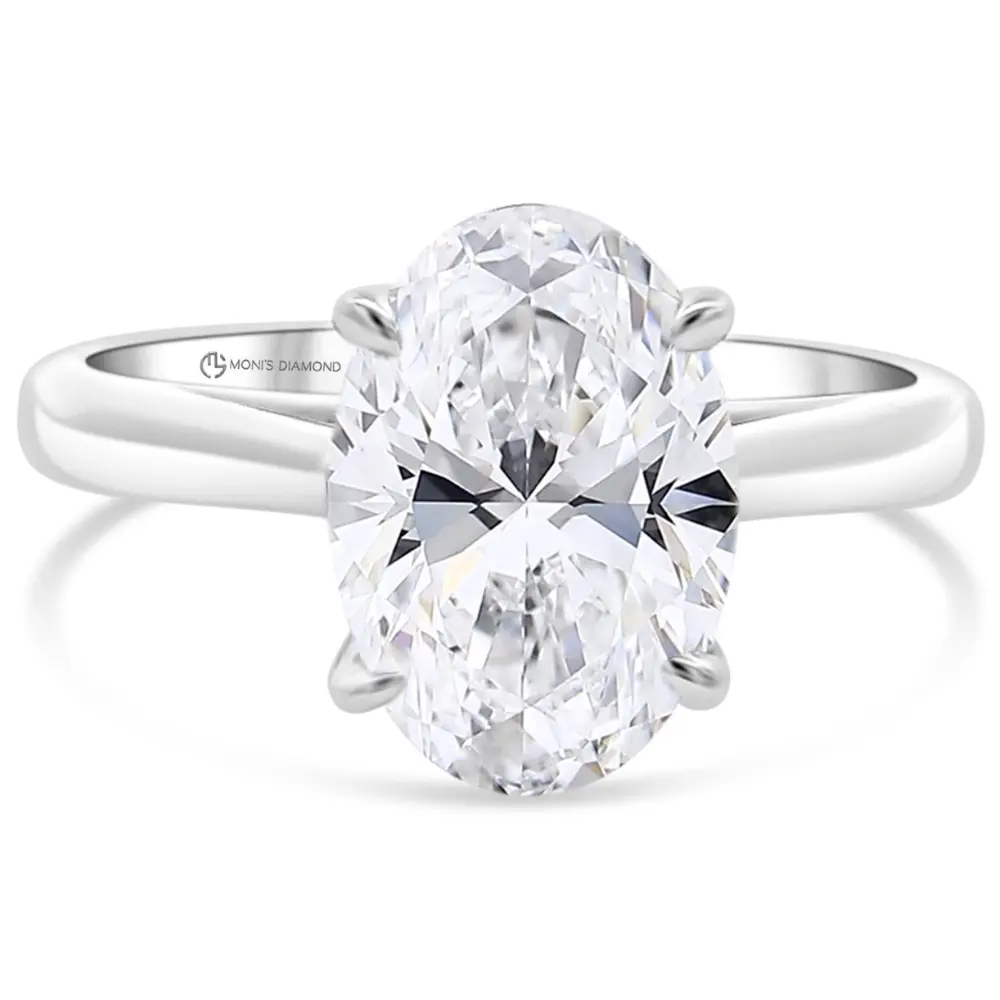
The oval cut diamond is one of the most sought-after shapes, blending the brilliant sparkle of a classic round diamond with a gracefully elongated silhouette. No wonder oval diamond engagement rings have become a favorite among brides worldwide — they flatter the hand by creating the illusion of longer, slender fingers, all while offering dazzling brilliance with every movement.

In our previous article, we explored in detail what diamond clarity truly means and why pursuing a “perfect” grading does not necessarily lead to the most beautiful result. When the choice moves toward a specific diamond engagement ring, however, the next step becomes unavoidable: understanding the international grading systems used to officially assess diamond clarity.

Diamond color is one of the defining elements of the 4Cs and has a direct impact on pricing. Diamonds in the D–F range are classified as colorless and are rarer, which places them in a higher price bracket. As one moves down the scale and a subtle yellow tint becomes present in the stone, prices generally decrease gradually.
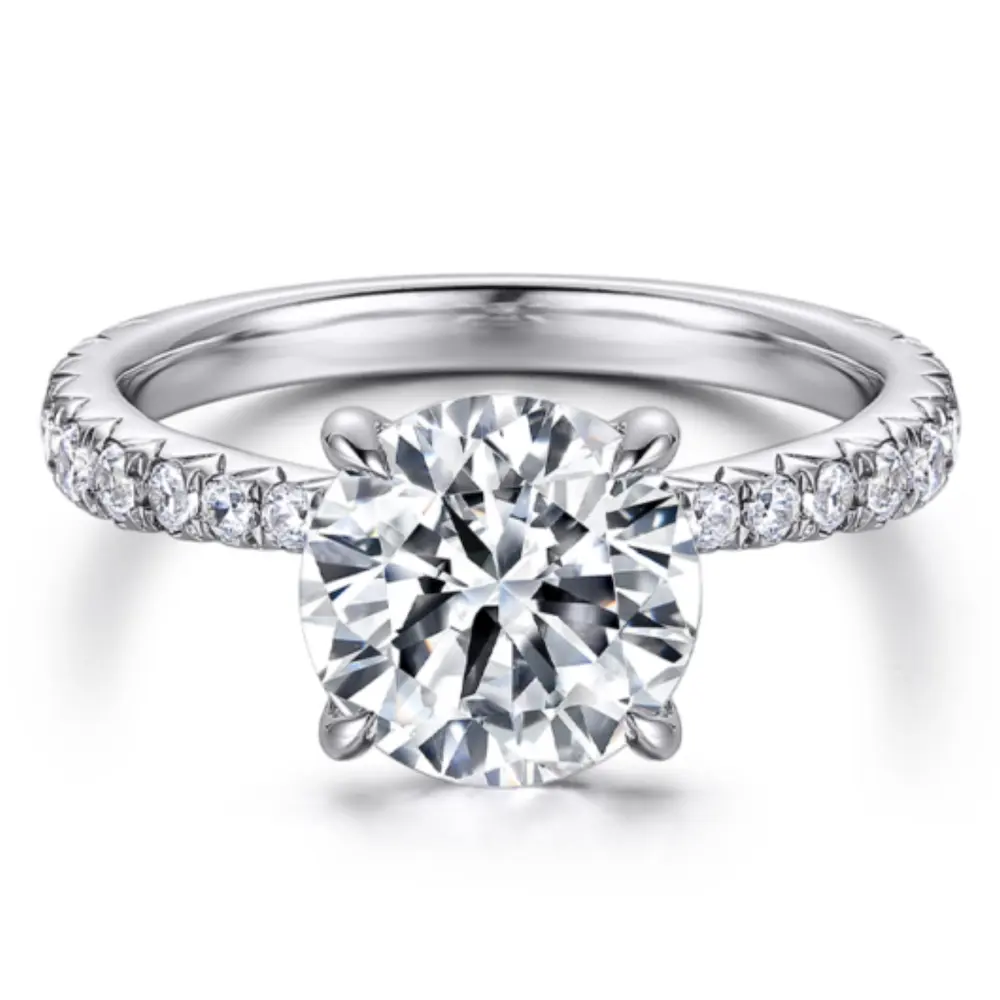
A diamond engagement ring is more than a gift: it’s a promise, a story, and a lifelong keepsake. When a diamond catches the light, it’s not only the stone that sparkles — it’s the emotion it carries. But how do you find the ring that truly stands the test of time? This guide answers every key question.

With the help of Moni’s Diamond jewelry experts, this guide explains what a "brill stone" actually is — and why the brilliant cut remains the most valuable and iconic of all diamond cuts. It walks you through the key steps of choosing a brilliant-cut diamond ring, from understanding the fundamentals to selecting the right style and certification. You’ll also find practical tips for evaluating quality, balancing carat and cut, and ensuring long-term care.
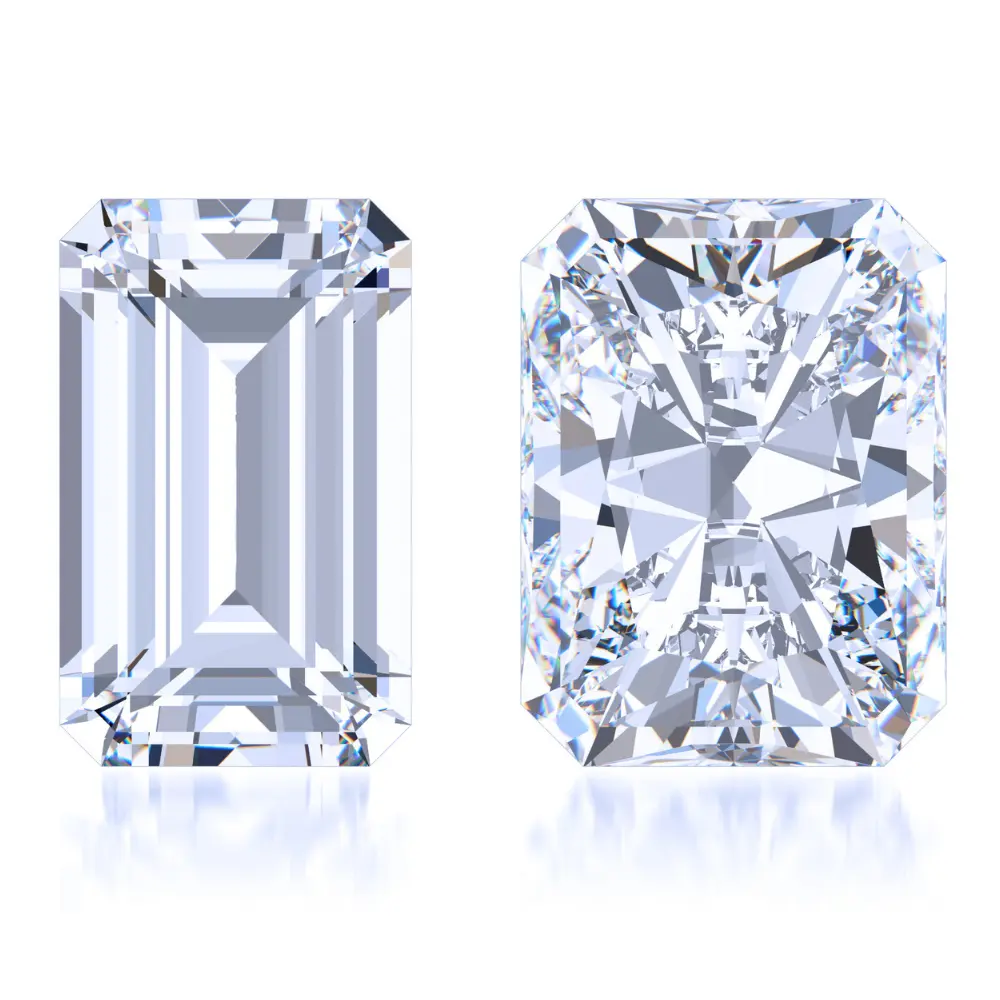
When choosing a diamond engagement ring, the diamond cut is far more than a question of shape. The cutting style determines how light travels through the stone, defines its character, and ultimately shapes the impression the ring conveys when worn. At first glance, emerald and radiant cuts may appear similar — both feature a rectangular outline with clean, refined lines — yet they create distinctly different visual experiences.