


Magazine
White gold, yellow gold or platinum? How metal affects the look of a diamond engagement ring

When choosing a diamond engagement ring, the colour of the metal often feels like a matter of personal taste. Some people have always worn white gold, others are drawn to the warmer tone of yellow gold, while platinum appeals for its understated, naturally white finish. Yet the metal also influences the overall appearance of the ring, including the way the centre diamond is perceived.
When choosing a diamond engagement ring, the colour of the metal often feels like a matter of personal taste. Some people have always worn white gold, others are drawn to the warmer tone of yellow gold, while platinum appeals for its understated, naturally white finish. Yet the metal also influences the overall appearance of the ring, including the way the centre diamond is perceived.
The reason lies in the diamond itself. A polished diamond reflects not only light, but also some of the colours around it. The setting, prongs and band all sit close to the stone, which means their tone can subtly affect how the diamond appears. The same diamond can therefore look slightly different in white gold or platinum than it does in yellow or rose gold.
This does not mean that a particular diamond colour should only ever be paired with one type of metal. It simply means that the diamond and its setting are best considered together. The right combination can either emphasise the stone’s colour or create a softer, more harmonious overall effect.
What does diamond colour actually mean?
White diamonds are often described as though they were all completely colourless, but truly colourless diamonds are rare in nature. The GIA grades diamonds in the normal colour range on a scale from D to Z. D represents the highest colourless grade, with increasingly noticeable yellow or brown tones appearing further down the scale.
Diamonds graded D, E and F are classed as colourless, while G, H, I and J fall within the near-colourless range. The differences between individual grades can be extremely subtle, particularly once a diamond is set in a ring rather than viewed under controlled laboratory conditions alongside comparison stones.
At Moni’s Diamond jewelry stores, we typically work with natural diamonds in the D–G colour range. With stones of this quality, the setting itself can become a useful design tool: the metal can either reinforce the diamond’s colourless appearance or introduce a deliberate contrast through a warmer tone.
White gold and platinum: keeping the focus on the diamond
White gold and platinum are classic choices for colourless and near-colourless diamonds. Their neutral appearance introduces very little colour around the stone, allowing a high-colour diamond to retain a crisp, bright look.
The two metals are not the same, however. Platinum is naturally white, while white gold is a gold alloy whose final appearance depends on its composition and, in most cases, a rhodium finish. Platinum is also dense and highly workable, which is one reason it has long played an important role in fine jewellery, particularly in diamond settings.
From an optical point of view, both can work beautifully with D–G diamonds, especially when the aim is a clean, cool-toned engagement ring in which the setting recedes visually and the centre stone remains the main focus.
What changes with yellow gold?
Yellow gold gives the same diamond an entirely different character. It is also worth remembering that a diamond can reflect the colours of its immediate surroundings. A yellow gold setting, and particularly yellow gold prongs positioned close to the stone, can introduce warmer tones into the way the diamond is perceived.
This does not alter the diamond’s laboratory colour grade. It simply affects how the stone looks once it is set.
For this reason, a yellow gold band is often paired with a white gold or platinum setting around the centre diamond. This preserves the warmth and character of yellow gold while keeping a white metal directly around the stone. It is not a rule, though. A fully yellow gold setting can be a beautiful and deliberate design choice in its own right.
The question is therefore not whether a high-colour diamond can be worn in yellow gold. Of course it can. The more relevant question is what overall effect you want the finished ring to have.
What about rose gold?
Rose gold gets its warm tone from the copper in the alloy and can create a softer contrast with a diamond than yellow gold. As with any setting, the final effect depends on whether only the band is rose gold or whether the prongs and the entire setting are made from the same metal as well.
A natural D–G diamond can look striking in rose gold. When the aim is to keep the diamond looking as neutral as possible, a rose gold band can be paired with a white metal setting. If a warmer overall look is part of the design, there is no need to separate the two.
This is a good example of why choosing a metal by following fixed rules can be misleading. The diamond’s colour and shape, the construction of the setting and even the wearer’s skin tone can all influence which combination looks most convincing.
Fancy colour diamonds require a different approach
With natural fancy colour diamonds, the priorities shift. In the D–Z range, less visible colour generally corresponds to a higher colour grade. With fancy colour diamonds, colour itself becomes the defining characteristic. Hue, tone and saturation all play an important role in how the stone is assessed.
With a natural yellow diamond, for example, a yellow gold setting can reinforce the warmth of the stone, while white gold or platinum can create stronger contrast. The design can also be more nuanced than that: a ring may be made largely in white metal, with yellow gold used only around the centre stone to enhance the colour of the diamond.
Pink and blue diamonds belong to a very different category because of their exceptional rarity. In these cases, one of the main objectives of the setting is often to present the natural colour of the stone as clearly as possible. White metals can provide clean contrast, while rose gold details may be used deliberately with certain pink diamonds to influence the overall colour impression.
With coloured diamonds, broad rules are particularly unhelpful. A Fancy Light Yellow and a Fancy Vivid Yellow can differ considerably in colour, character and the type of setting that suits them best, even though both are described simply as yellow diamonds.
The diamond and the metal should be chosen together
When designing a diamond engagement ring, it is easy to treat the diamond and the metal as two separate decisions: first choose the stone, then decide whether the ring should be white gold, yellow gold, rose gold or platinum. In the finished piece, however, the two are always seen together.
At Moni’s Diamond jewelry stores, this is why the setting and the metal are considered alongside the diamond itself. A natural D–G diamond can look beautiful in several different metals, but the effect will not necessarily be the same. One of the advantages of a personal consultation is being able to compare these differences in person, on the hand, rather than only in theory.
In the end, the best choice is not determined by a general rule attached to a particular colour grade. What matters more is how the diamond, the setting and the ring work together as a whole, and which combination still feels right years after the diamond engagement ring is first worn.
(Image: Moni's Diamond)
APPOINTMENT BOOKING
Reserve your preferred time slot to enjoy a personalized and unforgettable jewelry design experience. Our experts will focus exclusively on you, ensuring every detail is perfect and every moment feels special.
Booking online: https://www.monis.hu/en/appointment-booking
Booking by phone: +36 70 427 0053
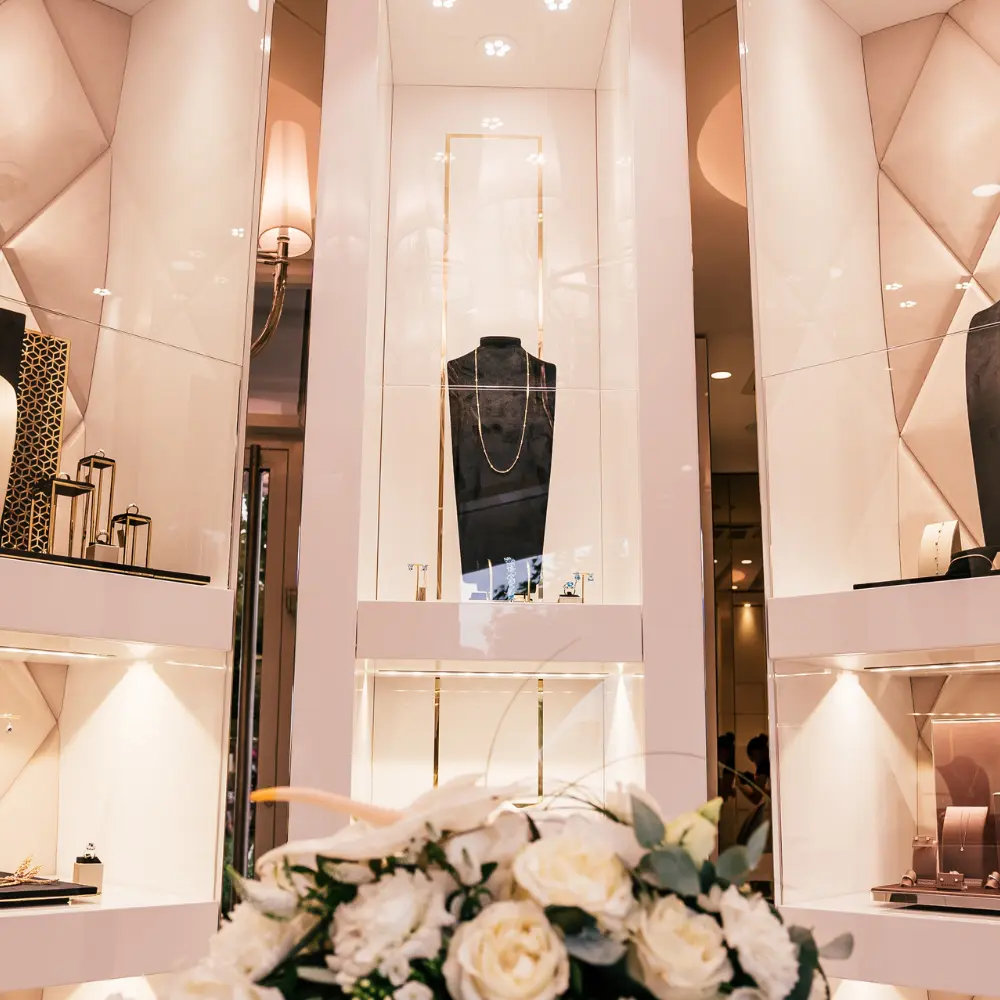
Balatonfüred is more than just a destination – it’s a promise. A place where culture, nature, and refined style come together in perfect harmony along the shores of Lake Balaton. And nestled like a jewel along the iconic Tagore Promenade, you’ll find Moni’s Diamond Boutique – a fine jewelry store that offers far more than just shopping. It is a space where timeless luxury, personal care, and enduring value take center stage.

Located just a few steps from St. Stephen’s Basilica, Moni’s Diamond jewelry store welcomes those who are not simply looking for jewelry, but for meaning, emotion, and timeless value.
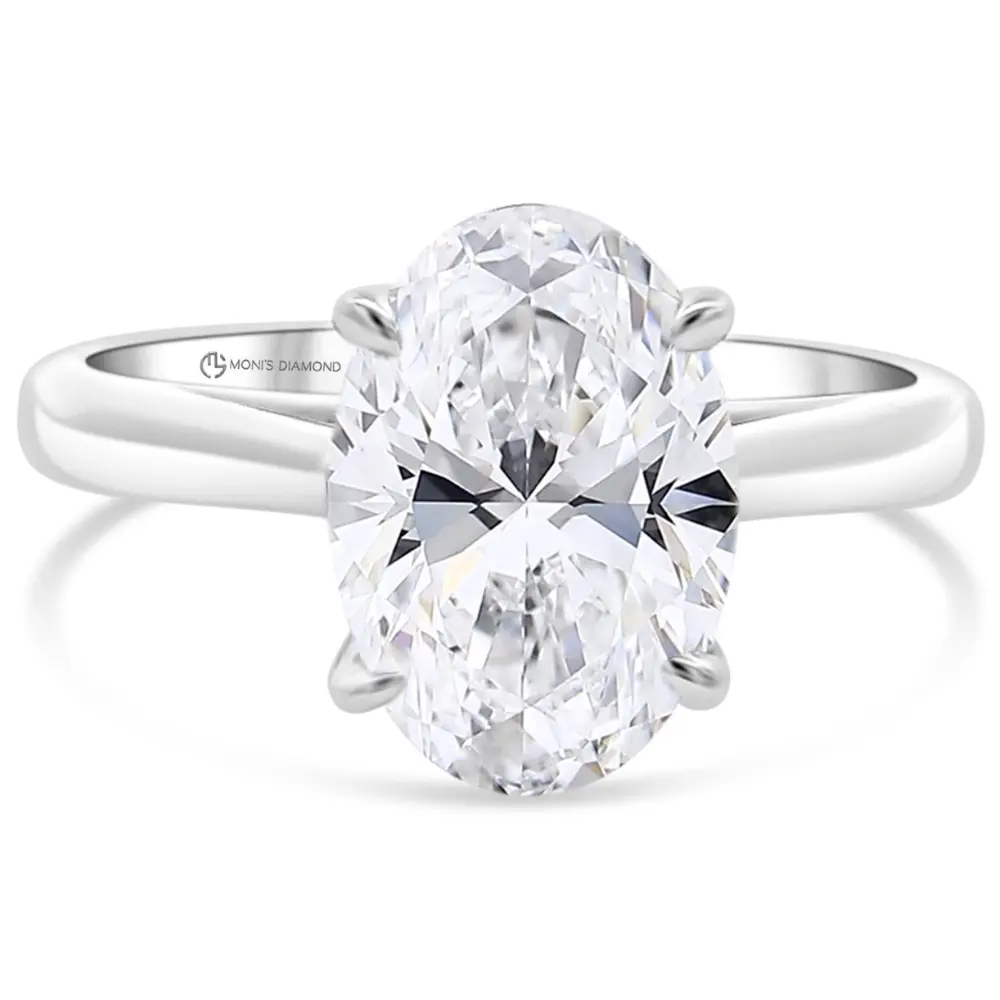
The oval cut diamond is one of the most sought-after shapes, blending the brilliant sparkle of a classic round diamond with a gracefully elongated silhouette. No wonder oval diamond engagement rings have become a favorite among brides worldwide — they flatter the hand by creating the illusion of longer, slender fingers, all while offering dazzling brilliance with every movement.

In our previous article, we explored in detail what diamond clarity truly means and why pursuing a “perfect” grading does not necessarily lead to the most beautiful result. When the choice moves toward a specific diamond engagement ring, however, the next step becomes unavoidable: understanding the international grading systems used to officially assess diamond clarity.

Diamond color is one of the defining elements of the 4Cs and has a direct impact on pricing. Diamonds in the D–F range are classified as colorless and are rarer, which places them in a higher price bracket. As one moves down the scale and a subtle yellow tint becomes present in the stone, prices generally decrease gradually.
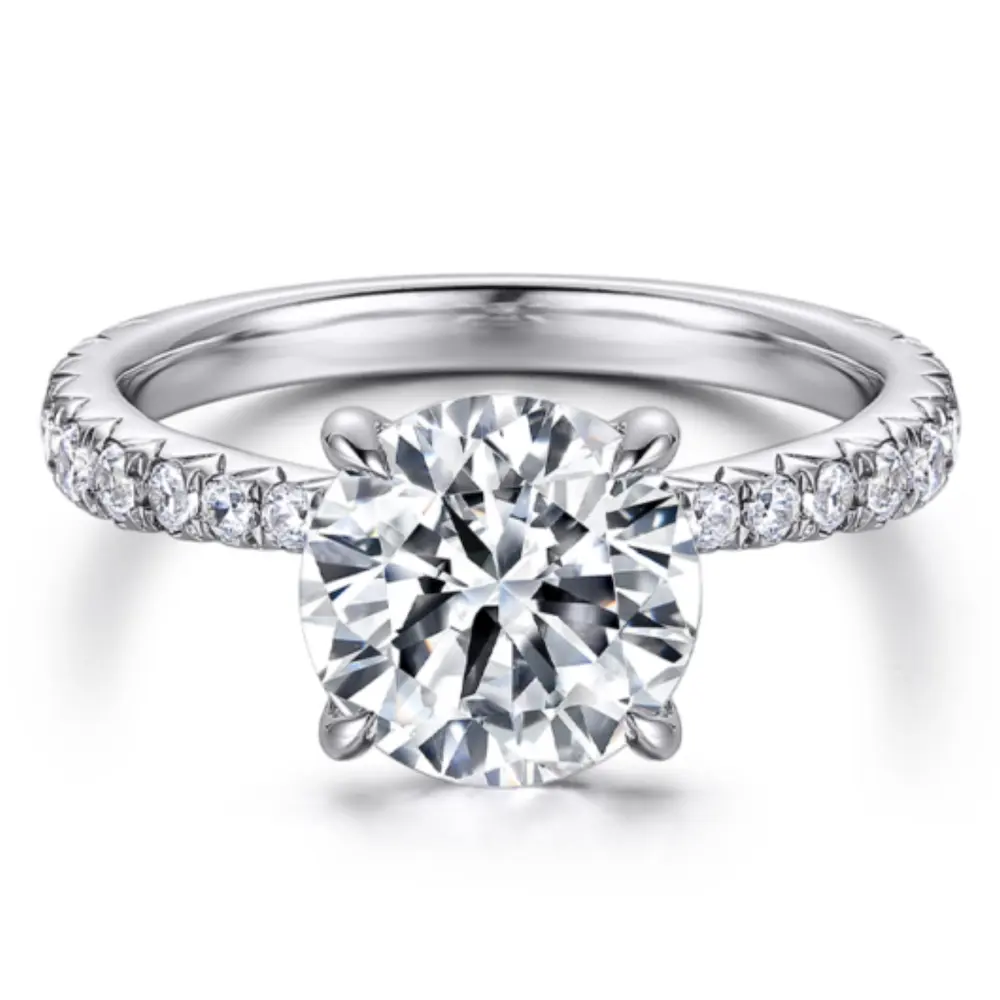
A diamond engagement ring is more than a gift: it’s a promise, a story, and a lifelong keepsake. When a diamond catches the light, it’s not only the stone that sparkles — it’s the emotion it carries. But how do you find the ring that truly stands the test of time? This guide answers every key question.

With the help of Moni’s Diamond jewelry experts, this guide explains what a "brill stone" actually is — and why the brilliant cut remains the most valuable and iconic of all diamond cuts. It walks you through the key steps of choosing a brilliant-cut diamond ring, from understanding the fundamentals to selecting the right style and certification. You’ll also find practical tips for evaluating quality, balancing carat and cut, and ensuring long-term care.
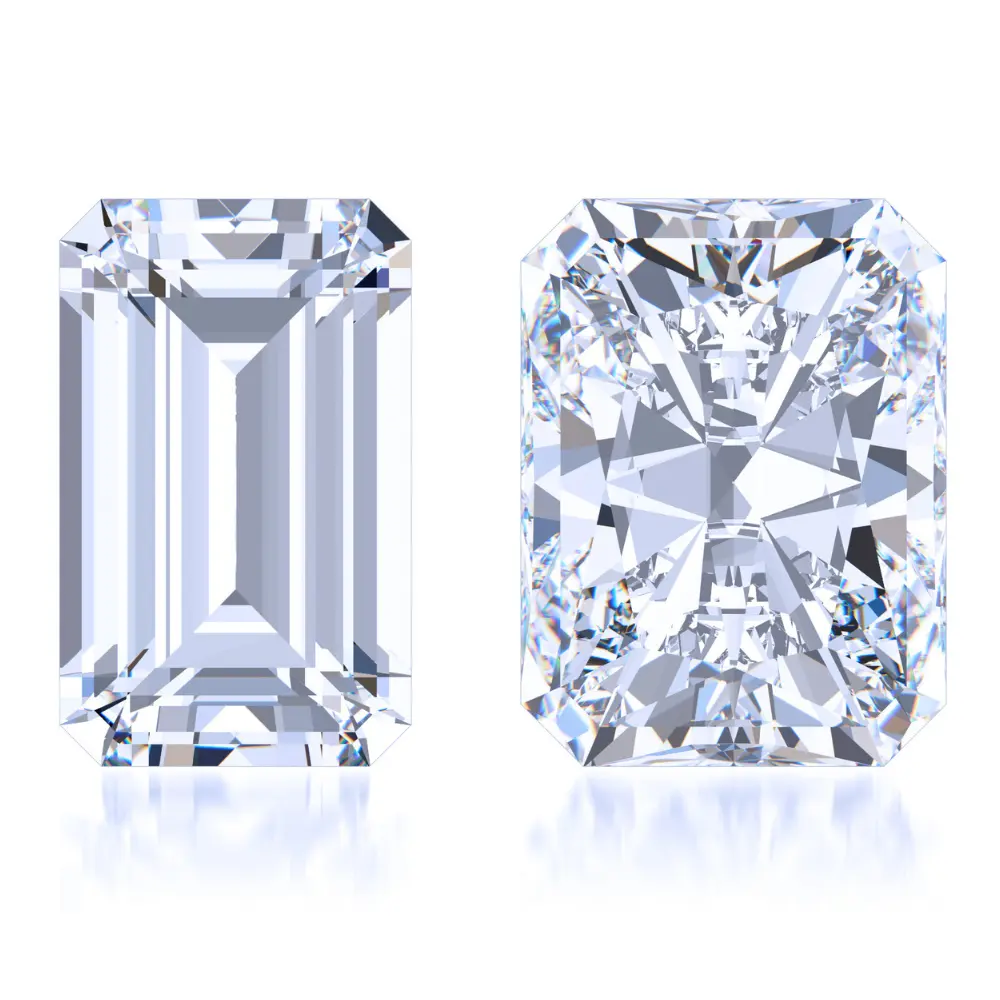
When choosing a diamond engagement ring, the diamond cut is far more than a question of shape. The cutting style determines how light travels through the stone, defines its character, and ultimately shapes the impression the ring conveys when worn. At first glance, emerald and radiant cuts may appear similar — both feature a rectangular outline with clean, refined lines — yet they create distinctly different visual experiences.