


Magazine
Diamond engagement ring consultation: What to expect?

No two consultations are exactly alike, just as no two engagement rings are. There are, however, a number of questions that come up in almost every conversation. They help ensure that the finished ring is not only beautiful, but one that truly suits the person who will wear it every day.
Most people walk into a jewellery shop with at least some idea of what they're looking for. Some already have a favourite diamond shape in mind, others arrive with a photo saved on their phone, while many simply know that the time has come to choose a diamond engagement ring.
What surprises many first-time buyers is that a consultation rarely begins with the diamond itself. Before discussing carat weight or budget, an experienced jewellery and gemstone specialist will want to understand who the ring is for, what her personal style is like, and how she wears jewellery. Those answers often shape every decision that follows, from the choice of diamond to the setting and the overall design of the ring.
No two consultations are exactly alike, just as no two engagement rings are. There are, however, a number of questions that come up in almost every conversation. They help ensure that the finished ring is not only beautiful, but one that truly suits the person who will wear it every day.
Who is the ring for?
This is usually the first question, and often the most important. Not because there is a right or wrong answer, but because an engagement ring is designed to become part of everyday life. Someone with a minimalist style who works in an office may naturally gravitate towards a different design than someone with a more active lifestyle who travels frequently or spends a great deal of time outdoors.
That is why an experienced jeweller looks beyond a preferred diamond shape. They also consider how the ring will fit into its owner's daily life. This may influence the choice of setting, the width of the band, the diamond shape itself, and even which design will remain the most comfortable to wear over the years.
The goal is not simply to choose a beautiful ring, but to create one that still feels just as right many years from now as it does on the day it is given.
When would you like the ring to be ready?
It may sound like a practical question, but it influences far more than most people realise. A ready-to-wear diamond engagement ring may be available within a few days, while a bespoke design usually takes several weeks to complete.
Many people begin looking only shortly before the proposal, when the available options may already be more limited. Starting the process earlier allows for a more relaxed decision and opens up far greater design flexibility.
When time is on your side, almost every element of the ring can be personalised. The centre diamond, its shape, the setting, the width of the band, the finish, and the choice of precious metal all contribute to the character of the finished piece. Individually these details may seem subtle, but together they create a ring that feels entirely natural on the hand of the person who will wear it.
How much should you budget for a diamond engagement ring?
Budget is part of almost every consultation, but not because it sets limits. The price of a diamond engagement ring depends on many factors. Beyond carat weight, the diamond's colour, clarity and cut all play an equally important role, as do the setting and the precious metal chosen for the ring.
Many people are surprised to see a significant price difference between two diamonds of the same size. That is because carat weight alone does not determine a diamond's value. Two one-carat diamonds can differ considerably depending on their colour, clarity and, perhaps most importantly, the quality of their cut.
The objective of a consultation is therefore not simply to choose the largest possible diamond, but to achieve the best overall balance within the available budget.
What should you know about the 4Cs?
Around the world, diamonds are evaluated using the internationally recognised 4Cs: carat, colour, clarity and cut. Together, these four characteristics provide an objective way of comparing one diamond with another.
Among them, cut plays a particularly important role. It determines how light travels through the stone and, ultimately, how lively and brilliant the diamond appears. In some cases, a smaller diamond with an exceptional cut will look noticeably more impressive than a larger stone with less favourable proportions.
Which diamond shape is the best choice?
The round brilliant remains the most popular diamond shape, but it is far from the only option.
An oval diamond creates the illusion of a longer finger, the emerald cut is known for its clean, understated elegance, the cushion cut offers softer lines, while pear and marquise shapes bring a more distinctive look to the ring.
There is no universally perfect shape. The right choice depends on personal style, hand proportions and, above all, which design the wearer can imagine enjoying every day for years to come.
Which setting best complements the diamond?
The centre stone naturally defines the engagement ring, but it is only one part of the overall design.
The type of setting, the width of the band, the number and style of the prongs, and the proportions of the ring all influence how it looks once worn.
A classic solitaire places the full focus on the diamond. A pavé band introduces additional sparkle, while a more protective setting may be a practical choice for someone with a particularly active lifestyle. Rather than following a single formula, the design should reflect how the ring will actually be worn.
White gold, yellow gold, rose gold or platinum?
For many people, choosing a precious metal begins as an aesthetic decision. In reality, it can also influence the way a diamond appears.
White metals such as white gold and platinum tend to emphasise the brightness of colourless and near-colourless diamonds. Yellow gold introduces warmth and can complement certain colour grades particularly well.
Ultimately, personal preference should always guide the decision, but it is equally worthwhile considering how the chosen diamond and precious metal work together as a whole.
A consultation starts with a conversation, not a diamond
At Moni's Diamond jewelry stores in Budapest and Balatonfüred, every consultation begins with a conversation. Before comparing diamonds, settings or precious metals, our jewellery and gemstone specialists take the time to understand who the ring is for, whether the client has a clear vision, and which details matter most to them.
There is a simple reason for this. A diamond is only one element of the finished ring. The setting, the proportions of the band and the choice of precious metal all influence both its appearance and how comfortable it will be to wear. These considerations are discussed alongside the diamond's quality throughout the consultation.
By the end of the process, the decision is rarely based on a single characteristic. Instead, clients leave with a clear understanding of which combination of diamond and design feels right for them — and why.
What happens after the purchase?
Choosing a premium diamond engagement ring is not the end of the story.
Regular professional cleaning, checking the setting and inspecting the prongs all help ensure that the ring remains both beautiful and secure for years to come. Although a diamond is one of the hardest natural materials on earth, a loose prong or damaged setting can increase the risk of the stone becoming damaged or even lost. For this reason, it is worth having an engagement ring professionally inspected from time to time.
Moni's Care provides regular professional cleaning and inspections to help keep your engagement ring in excellent condition for years to come. Choosing the right ring is an unforgettable moment, and with the right care, it can continue to look just as beautiful and be enjoyed just as much many years later.
(Image: Moni's Diamond)
APPOINTMENT BOOKING
Reserve your preferred time slot to enjoy a personalized and unforgettable jewelry design experience. Our experts will focus exclusively on you, ensuring every detail is perfect and every moment feels special.
Booking online: https://www.monis.hu/en/appointment-booking
Booking by phone: +36 70 427 0053

Located just a few steps from St. Stephen’s Basilica, Moni’s Diamond jewelry store welcomes those who are not simply looking for jewelry, but for meaning, emotion, and timeless value.
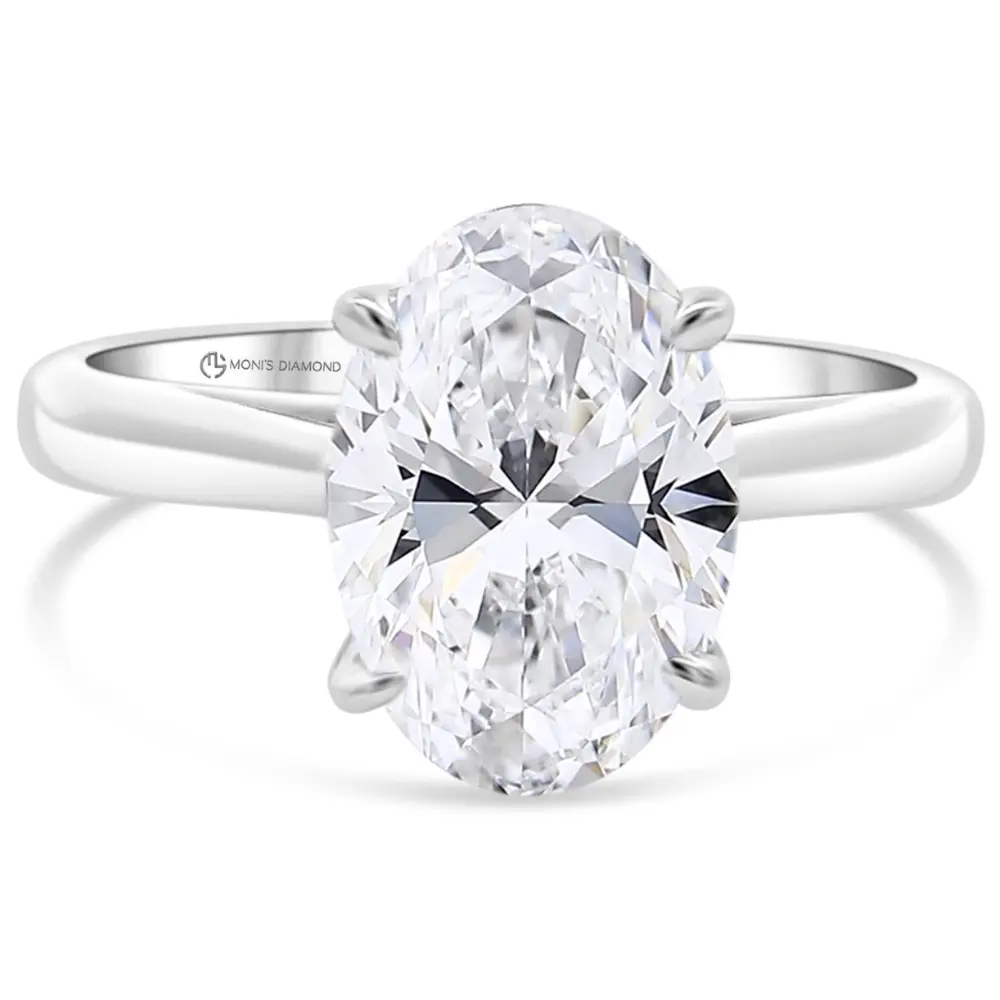
The oval cut diamond is one of the most sought-after shapes, blending the brilliant sparkle of a classic round diamond with a gracefully elongated silhouette. No wonder oval diamond engagement rings have become a favorite among brides worldwide — they flatter the hand by creating the illusion of longer, slender fingers, all while offering dazzling brilliance with every movement.

In our previous article, we explored in detail what diamond clarity truly means and why pursuing a “perfect” grading does not necessarily lead to the most beautiful result. When the choice moves toward a specific diamond engagement ring, however, the next step becomes unavoidable: understanding the international grading systems used to officially assess diamond clarity.

Diamond color is one of the defining elements of the 4Cs and has a direct impact on pricing. Diamonds in the D–F range are classified as colorless and are rarer, which places them in a higher price bracket. As one moves down the scale and a subtle yellow tint becomes present in the stone, prices generally decrease gradually.
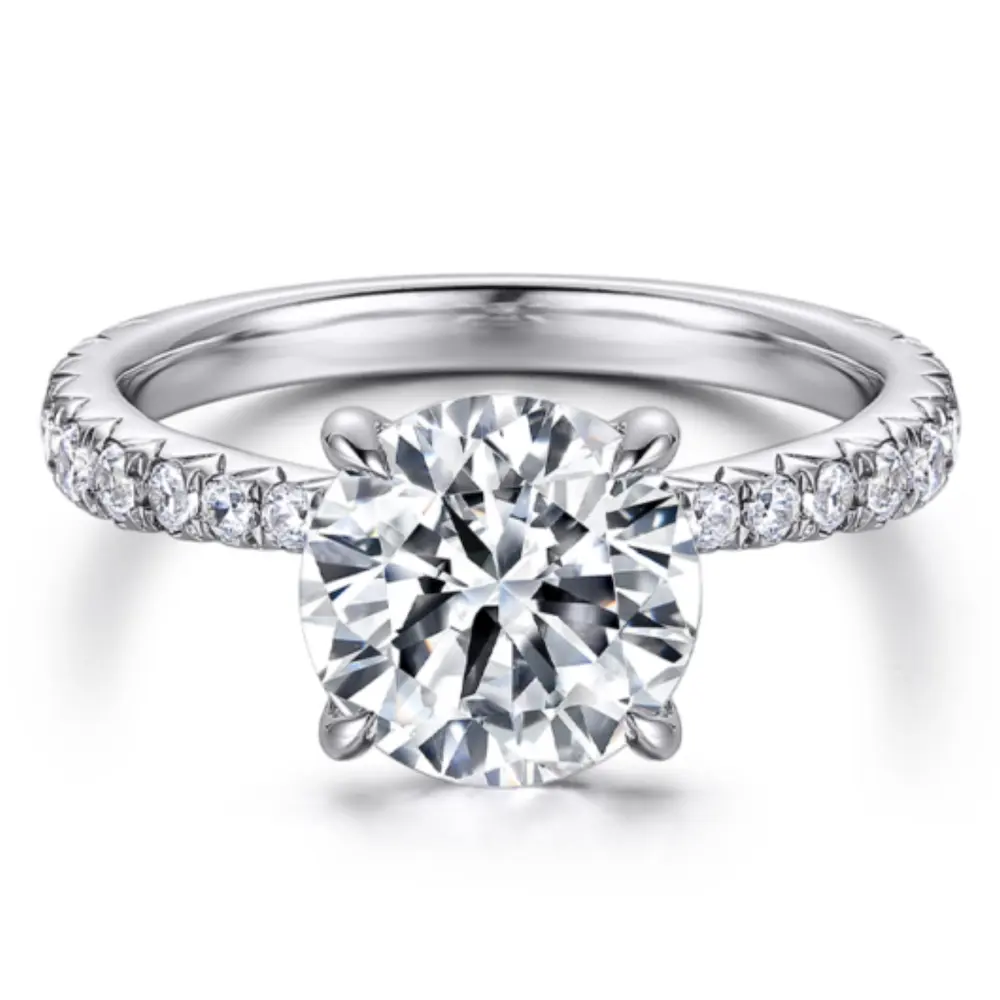
A diamond engagement ring is more than a gift: it’s a promise, a story, and a lifelong keepsake. When a diamond catches the light, it’s not only the stone that sparkles — it’s the emotion it carries. But how do you find the ring that truly stands the test of time? This guide answers every key question.

With the help of Moni’s Diamond jewelry experts, this guide explains what a "brill stone" actually is — and why the brilliant cut remains the most valuable and iconic of all diamond cuts. It walks you through the key steps of choosing a brilliant-cut diamond ring, from understanding the fundamentals to selecting the right style and certification. You’ll also find practical tips for evaluating quality, balancing carat and cut, and ensuring long-term care.
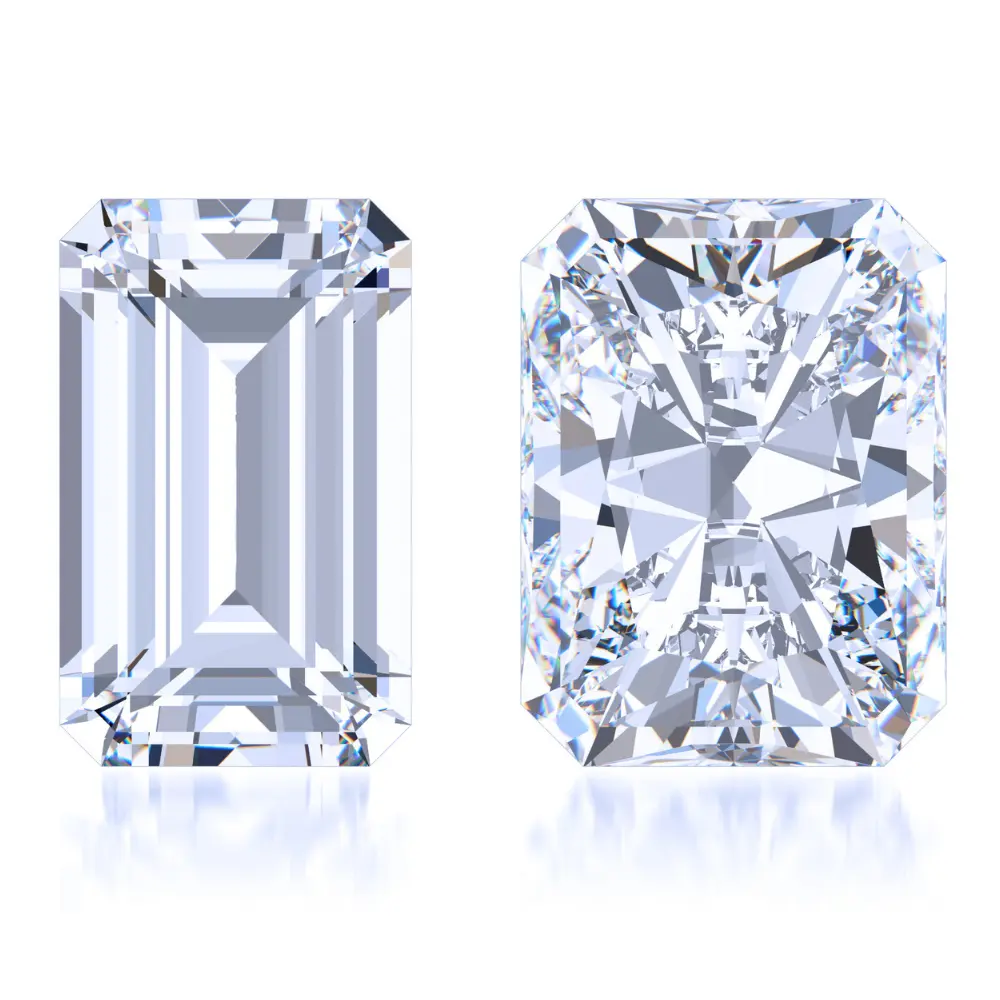
When choosing a diamond engagement ring, the diamond cut is far more than a question of shape. The cutting style determines how light travels through the stone, defines its character, and ultimately shapes the impression the ring conveys when worn. At first glance, emerald and radiant cuts may appear similar — both feature a rectangular outline with clean, refined lines — yet they create distinctly different visual experiences.