


Magazine
How to protect your diamond engagement ring?

A diamond engagement ring can be worn and treasured for decades. Given the exceptional hardness of diamond, it is easy to assume that the ring itself is virtually impervious to damage. In reality, everyday wear can take its toll on both the diamond and its setting.
A diamond engagement ring can be worn and treasured for decades. Given the exceptional hardness of diamond, it is easy to assume that the ring itself is virtually impervious to damage. In reality, everyday wear can take its toll on both the diamond and its setting.
Diamond is one of the hardest naturally occurring materials, but a ring is a more complex structure. The setting, prongs, precious metal and centre stone are all exposed to the effects of daily wear. Over time, minor knocks, friction, cosmetics and everyday residue can leave marks on the metal, loosen the setting or diminish the diamond’s brilliance.
Caring for a diamond engagement ring does not mean saving it for special occasions. It means knowing when to take it off, how to store it and when to have it professionally inspected.
Diamonds are hard, but not unbreakable
Diamond ranks 10 on the Mohs scale of hardness, making it exceptionally resistant to scratching. Hardness, however, should not be confused with toughness, which describes a material’s resistance to breaking or chipping when subjected to impact.
The crystal structure of diamond contains what are known as cleavage planes. A sufficiently strong blow from a particular direction can cause the stone to chip or fracture along one of these planes. In some cases, a diamond’s internal characteristics can also influence its vulnerability to damage. This is one reason why, when choosing a diamond engagement ring, it is worth considering not only the clarity grade but also the type, size and location of inclusions, particularly in a high-value centre stone.
A grading report from an independent gemmological laboratory provides important information about a diamond’s characteristics. An experienced specialist can then assess those details in the context of the individual stone and help determine whether it is the right choice.
Some diamond shapes require extra care
Diamond shape is more than an aesthetic consideration. Shapes with pointed ends or sharp corners can be more vulnerable in certain areas, something that should be taken into account when designing the setting.
The tips of pear and marquise diamonds, the corners of a princess cut and certain points of a heart-shaped diamond may require additional protection. This does not make these shapes unsuitable for everyday wear, but choosing the right setting becomes particularly important.
V-shaped prongs and other protective setting techniques can help shield the most exposed areas. The setting of a diamond engagement ring should therefore always be designed around the shape and proportions of the individual stone.
Why a secure setting matters?
Prong settings are among the most familiar choices for solitaire diamond engagement rings. Both four- and six-prong designs can provide secure settings when their proportions and construction are appropriate for the stone.
In some cases, six prongs can offer an additional degree of security. If one becomes damaged or loose, the diamond is still held at several other points. This does not mean that a well-made four-prong setting is less secure by definition. The shape and size of the diamond, together with the construction of the ring, all need to be considered when choosing the most suitable setting.
A bezel setting can provide even greater physical protection. Here, precious metal partially or completely surrounds the edge of the diamond, offering additional protection against knocks. It can be a particularly practical choice for an active lifestyle, although its appearance is distinctly different from that of a traditional prong-set solitaire.
When should you take off your engagement ring?
A diamond engagement ring is made to be worn every day, but there are occasions when taking it off is the sensible choice. The main concern is often not the diamond itself, but the setting and precious metal, which can be more susceptible to mechanical stress.
It is best to remove your ring before weight training, gardening, housework or any activity where it could strike a hard surface. Handling heavy objects can do more than scratch the metal, sufficient pressure can distort the band or damage the setting.
Swimming is another occasion when it is safer to leave the ring behind. Fingers can temporarily contract in cold water, making even a correctly sized ring more likely to slip off unnoticed.
Everyday residue can quickly dull a diamond’s brilliance
One of diamond’s distinctive properties is its affinity for grease. Contact with the skin, hand creams, make-up and other cosmetics can gradually leave a fine film on its surface, reducing its brilliance.
These deposits do not affect the quality of the diamond itself, but they can make a noticeable difference to its appearance. A professional cleaning can restore much of the brightness that has gradually been obscured by everyday wear.
For routine cleaning at home, lukewarm water, a small amount of mild washing-up liquid and a very soft brush are usually sufficient. Residue tends to accumulate around the setting and beneath the diamond, so these areas should be cleaned carefully before the ring is rinsed thoroughly and dried with a soft, lint-free cloth.
Harsh chemicals, abrasive cleaners and jewellery-cleaning solutions of unknown composition are best avoided. Ultrasonic cleaning is not suitable for every diamond or every piece of jewellery either, so if there is any uncertainty about the stone or its setting, professional cleaning is the safer option.
Store your diamond ring separately
The exceptional hardness that makes diamond so resistant to scratching can become a disadvantage when jewellery is stored incorrectly. A diamond can scratch precious metals and other gemstones, while diamonds can also damage one another when they come into direct contact.
An engagement ring is therefore best kept in its own softly lined compartment or individual jewellery box. Storing several rings, earrings or necklaces together in the same pouch is best avoided, particularly when they contain diamonds or other hard gemstones.
The same principle applies when travelling. A well-designed travel jewellery case reduces the risk of loss while also keeping individual pieces from knocking against one another.
Why should a diamond engagement ring be checked regularly?
A loose prong may not be immediately noticeable. The diamond may still appear secure even though the setting is no longer holding it as firmly as it once did.
There are a few warning signs worth paying attention to. If the diamond moves slightly within its setting, the ring begins catching on clothing more than usual, or one of the prongs appears different from the others, it is best to stop wearing the ring until it has been inspected by a professional.
Regular professional maintenance involves more than checking the centre stone. The settings of pavé diamonds, wear to the band, the condition of the prongs and the overall structure of the ring can all be examined. A small issue identified early is generally far easier to correct than replacing a lost gemstone.
At Moni’s Diamond jewelry store, professional care continues long after an engagement ring leaves our boutique. Through Moni’s Care, Moni’s Diamond jewellery is eligible for complimentary professional inspection and care once a year. This allows our specialists to identify signs of everyday wear at an early stage, while the jewellery is professionally cleaned at the same time.
Caring for a diamond engagement ring is part of owning one
A high-quality diamond and a precisely made setting can last for decades, but everyday wear will inevitably leave subtle traces on a piece of jewellery. Fine scratches may gradually appear on the precious metal, while the setting can require inspection and occasional maintenance over time.
These changes are a natural consequence of wearing a ring every day. Proper care is primarily about keeping the structure secure, preserving the diamond’s brilliance and identifying signs of wear before they develop into more significant problems.
Protecting a valuable diamond ring ultimately comes down to a few simple habits: knowing when to take it off, cleaning and storing it correctly, and having it professionally inspected at regular intervals. With the right care, a diamond engagement ring can remain in excellent condition for decades and be preserved for generations to come.
(Image: Moni's Diamond)
APPOINTMENT BOOKING
Reserve your preferred time slot to enjoy a personalized and unforgettable jewelry design experience. Our experts will focus exclusively on you, ensuring every detail is perfect and every moment feels special.
Booking online: https://www.monis.hu/en/appointment-booking
Booking by phone: +36 70 427 0053
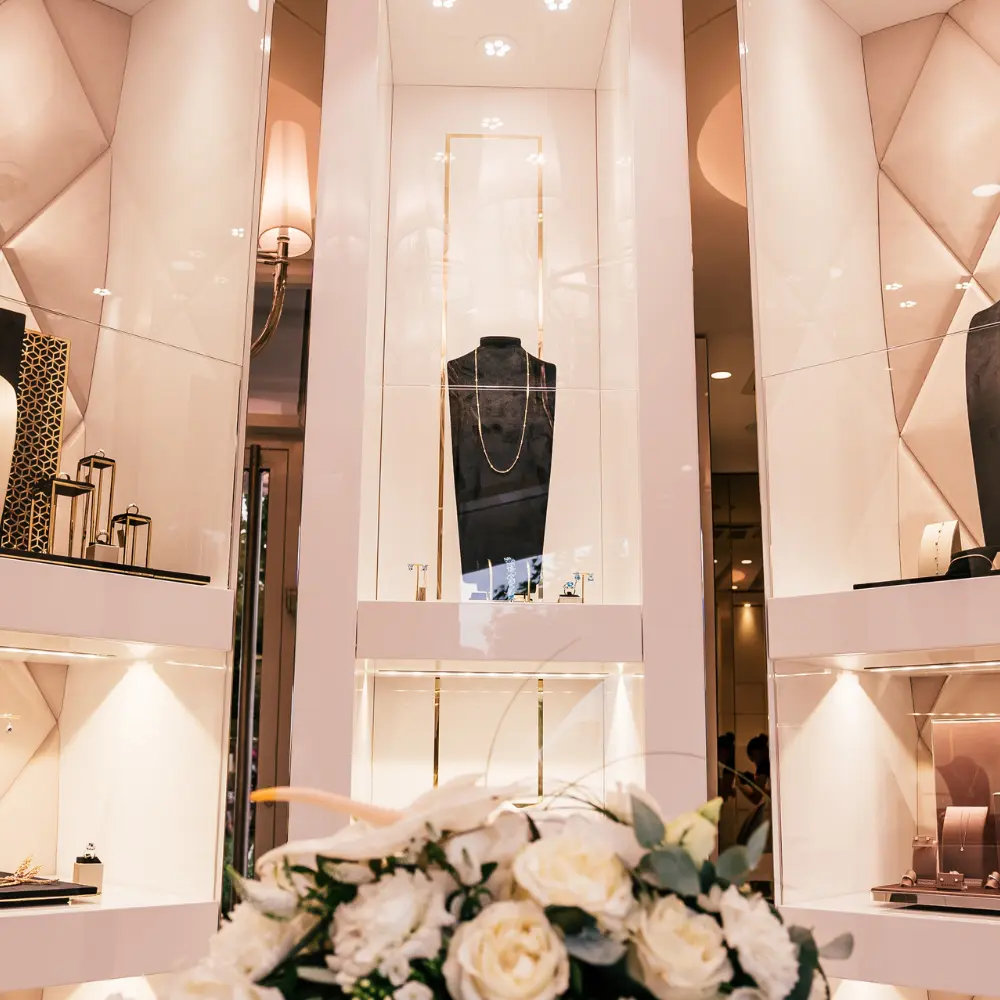
Balatonfüred is more than just a destination – it’s a promise. A place where culture, nature, and refined style come together in perfect harmony along the shores of Lake Balaton. And nestled like a jewel along the iconic Tagore Promenade, you’ll find Moni’s Diamond Boutique – a fine jewelry store that offers far more than just shopping. It is a space where timeless luxury, personal care, and enduring value take center stage.

Located just a few steps from St. Stephen’s Basilica, Moni’s Diamond jewelry store welcomes those who are not simply looking for jewelry, but for meaning, emotion, and timeless value.
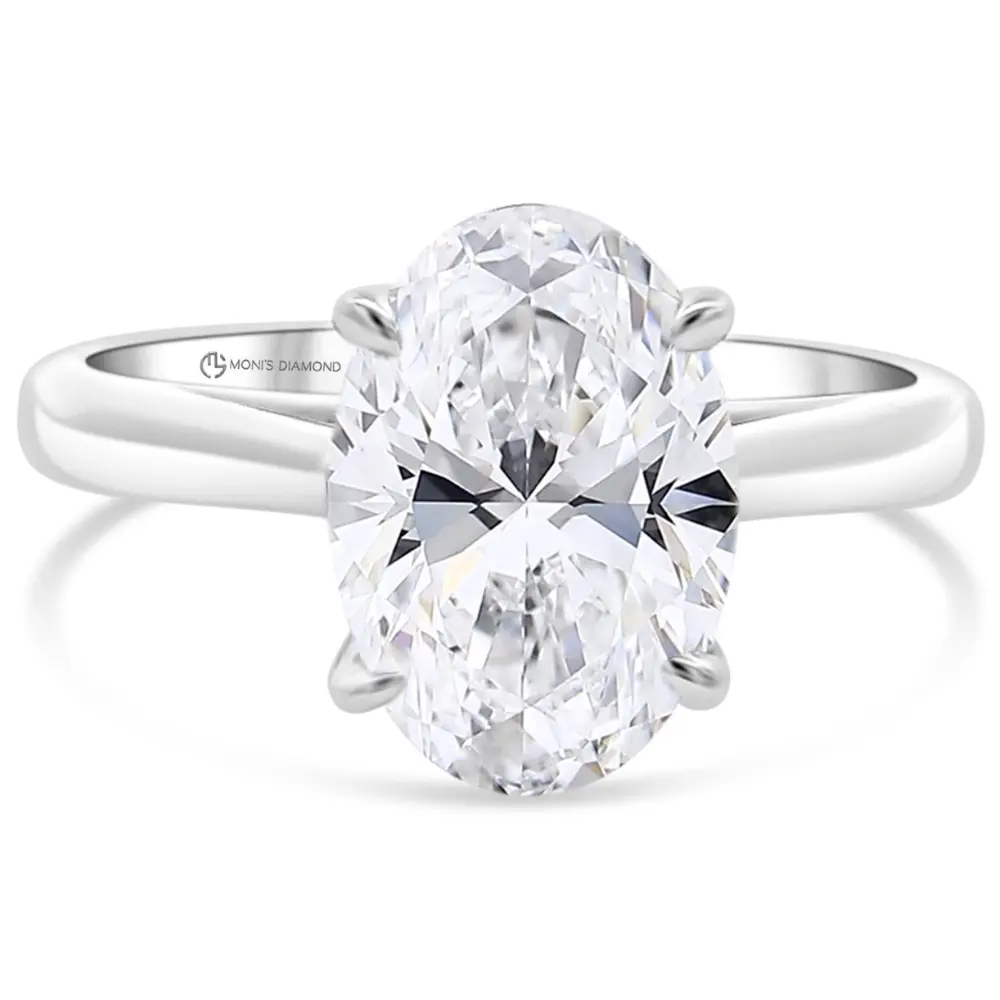
The oval cut diamond is one of the most sought-after shapes, blending the brilliant sparkle of a classic round diamond with a gracefully elongated silhouette. No wonder oval diamond engagement rings have become a favorite among brides worldwide — they flatter the hand by creating the illusion of longer, slender fingers, all while offering dazzling brilliance with every movement.
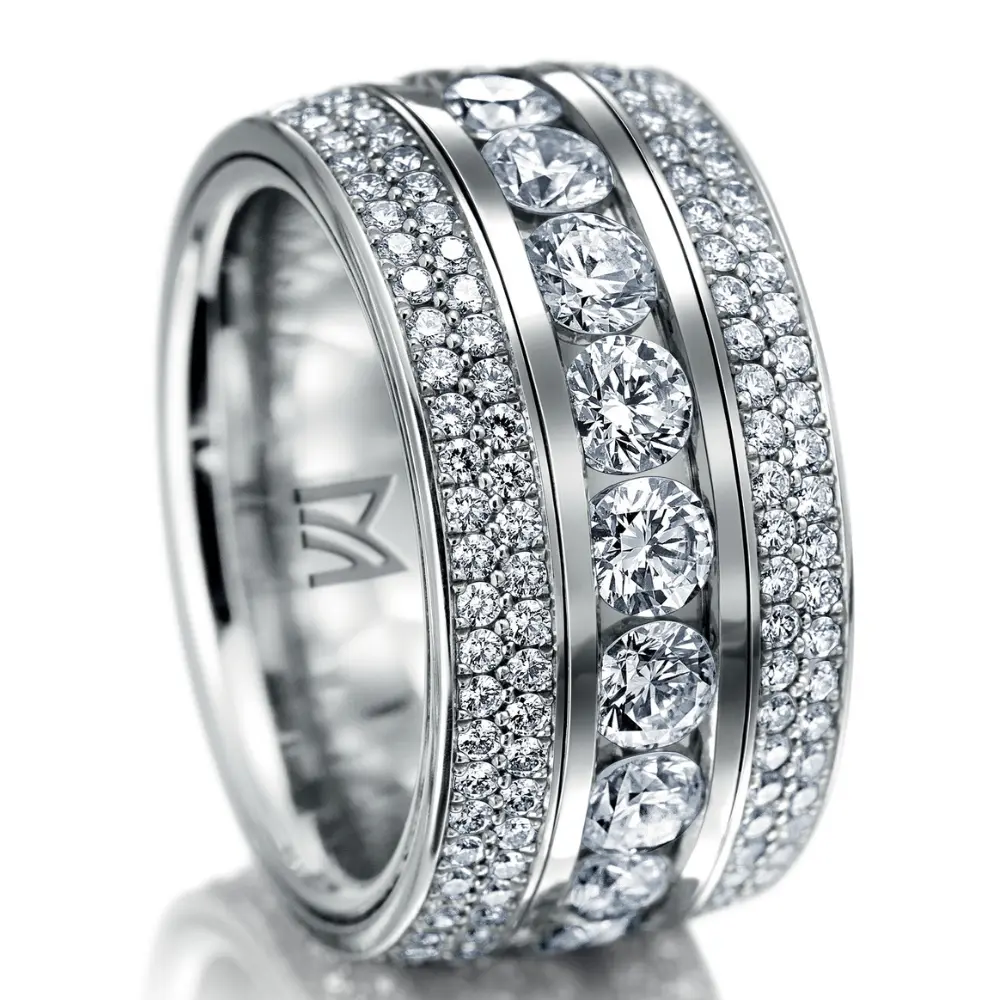
In the world of diamond jewelry, few innovations seamlessly blend masterful craftsmanship with modern design dynamics. The Meister Girello diamond ring is one such rarity—featuring a unique spinning mechanism that brings the brilliance of diamonds to life from every angle.

In our previous article, we explored in detail what diamond clarity truly means and why pursuing a “perfect” grading does not necessarily lead to the most beautiful result. When the choice moves toward a specific diamond engagement ring, however, the next step becomes unavoidable: understanding the international grading systems used to officially assess diamond clarity.
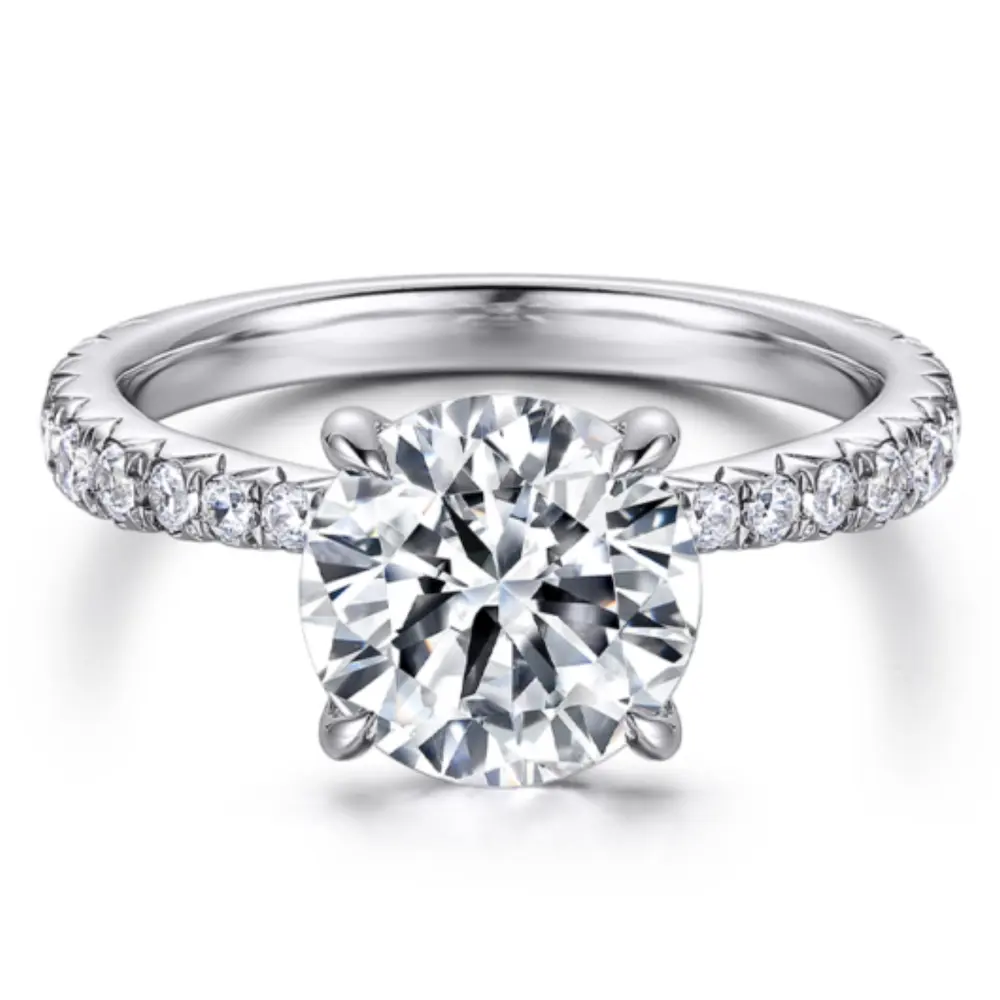
A diamond engagement ring is more than a gift: it’s a promise, a story, and a lifelong keepsake. When a diamond catches the light, it’s not only the stone that sparkles — it’s the emotion it carries. But how do you find the ring that truly stands the test of time? This guide answers every key question.
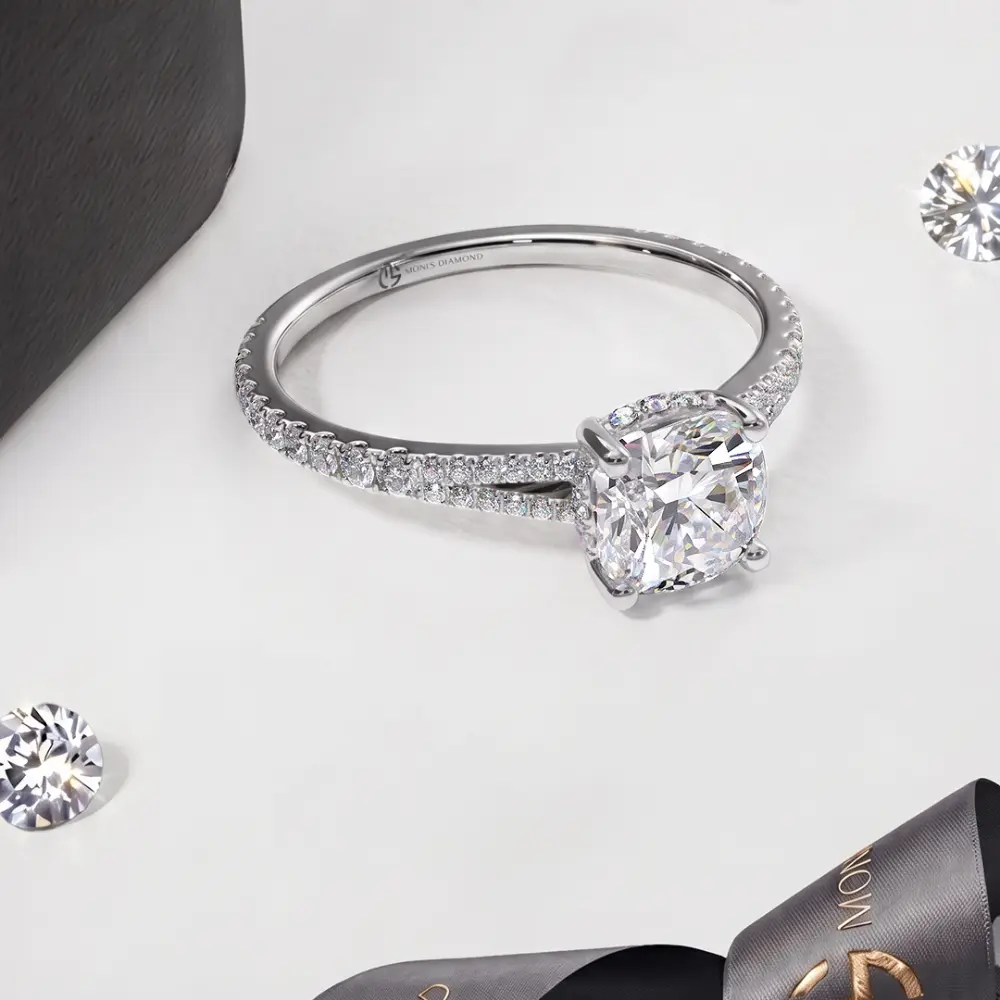
A cushion-cut diamond is instantly recognisable by its square or slightly rectangular shape, rounded corners and softly curved outline. Look a little closer, however, and the picture becomes far more complex. Two cushion-cut diamonds of the same carat weight can differ considerably in their proportions, light performance and overall character.
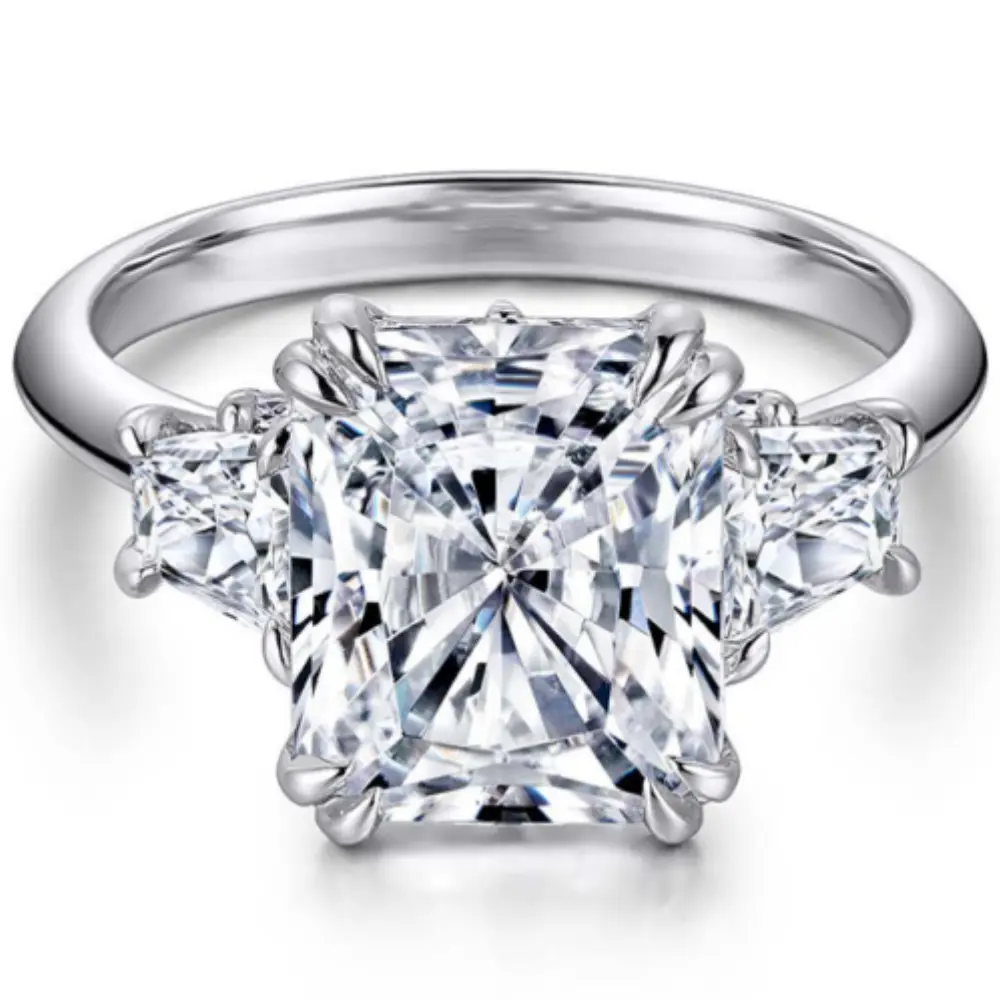
A diamond engagement ring is no longer just a classic piece of jewellery, it is a reflection of a personal story. In the world of luxury, a clear shift is taking place: instead of mass-produced designs, the focus is moving toward bespoke creations, designed specifically for the individual.