


Magazine
The quiet complexity of the classic engagement ring

At first glance, a classic diamond engagement ring seems almost effortless in its simplicity. A single diamond, a refined band, a clean, elegant setting. There are no elaborate details or dramatic design elements, yet few pieces of jewellery require as much thought and precision as a beautifully crafted solitaire.
At first glance, a classic diamond engagement ring seems almost effortless in its simplicity. A single diamond, a refined band, a clean, elegant setting. There are no elaborate details or dramatic design elements, yet few pieces of jewellery require as much thought and precision as a beautifully crafted solitaire.
That is precisely what makes it so remarkable. The simpler a piece of jewellery appears, the less room there is to disguise even the smallest imperfection. In a classic diamond ring, every millimetre matters. The height of the setting, the width of the band, the shape of the prongs, even the angle at which individual elements meet all influence the overall balance of the design.
Most people notice only the centre diamond. A jewellery designer sees something entirely different. They consider how light enters the stone, how high it sits above the finger, whether the proportions feel effortless, and whether the ring conveys the same quiet elegance from every angle.
The classic solitaire has endured not because it has remained unchanged for decades, but because each generation has refined it while preserving the proportions that make it truly timeless.
It's never just about the diamond
When choosing a diamond, attention naturally turns to the 4Cs — carat weight, colour, clarity and cut. These are undoubtedly essential characteristics, defining the quality of the stone itself. But they do not determine how the finished ring will look or feel.
The same diamond can create a surprisingly different impression in two different rings. This is why a premium diamond engagement ring is never just about the gemstone. The setting, the band and the overall proportions work together as a single composition. When every element is in harmony, the result feels effortless. When one detail is even slightly out of balance, the eye notices, even if it is difficult to explain exactly why.
The invisible power of proportion
Few people realise how much the visual impact of a diamond engagement ring depends on seemingly insignificant details. Yet differences of just a few tenths of a millimetre can completely change the way a ring is perceived.
Take the band, for example. A slimmer band naturally draws more attention to the centre diamond, often making the stone appear larger. A wider band creates a stronger visual presence and introduces a greater sense of balance. Neither approach is better than the other. The objective is always the same, to ensure that the size of the diamond, the proportions of the hand and the character of the engagement ring feel perfectly aligned.
The height of the setting plays an equally important role. A higher setting allows more light to reach the sides of the diamond and creates a lighter, more elevated appearance, while also sitting more prominently above the finger. A lower setting offers a subtler profile and greater comfort for everyday wear — qualities many people appreciate for their understated elegance.
These are the details that ultimately determine how a diamond ring feels to wear every day. The beauty of a classic solitaire never depends on one dramatic feature, but on the way every element contributes to the same sense of harmony.
More than a century of refinement
Many people assume that the solitaire diamond ring has always looked the way it does today. In reality, the modern solitaire is the result of more than a century of continuous refinement. Generations of jewellery designers have perfected the proportions of settings, the profiles of bands and the structural details that allow a diamond to receive as much light as possible while remaining secure and elegant.
This is why it is misleading to think that all classic diamond engagement rings are the same. From a distance they may appear similar, but a closer look reveals that true distinction lies not in decorative details, but in the precision of the proportions.
Why the setting matters
When we look at a diamond engagement ring, our attention naturally goes straight to the centre stone. As a result, the setting is often overlooked, even though it shapes the appearance of the diamond just as much as the gemstone itself.
A well-designed setting serves both a structural and an aesthetic purpose. It secures the diamond while allowing as much light as possible to reach it. At the same time, it determines how the stone rises above the band, how its proportions are perceived, and how much visual emphasis is placed on the diamond itself.
The finest settings are almost invisible. They are not designed to become a feature in their own right, but to allow the diamond to get all the attention. When a classic solitaire feels beautifully balanced, it is often because the setting performs its role so discreetly that it almost disappears.
Four prongs or six prongs?
Most classic diamond engagement rings are crafted with either four or six prongs, and each approach creates a distinctly different character.
A four-prong setting feels lighter and more contemporary. Because less of the diamond is covered, the outline of the stone becomes more pronounced. This is particularly effective for shapes where the silhouette is an important part of the design, such as oval, cushion or emerald cuts. Many people also choose four prongs for round brilliant diamonds when they prefer a cleaner, more modern appearance.
A six-prong setting, by contrast, frames the diamond more gently. The additional two prongs create a softer, more balanced visual impression and, for many, represent the quintessential solitaire. With larger centre stones, six prongs can also provide additional structural support by securing the diamond at more points.
In practice, however, the number of prongs is only part of the story. Their shape and craftsmanship are just as important. Finely tapered, precisely finished prongs appear more elegant, cover less of the diamond and create a more natural overall appearance. The objective is always the same, holding the diamond securely while drawing as little attention as possible away from it.
A plain band or pavé? Sometimes less truly is more
The design of the band has just as much influence on the character of a ring as the setting itself. A polished plain band directs every bit of attention towards the centre diamond. This is the essence of the classic solitaire — nothing competes with the central stone.
A pavé band offers a different interpretation. The small diamonds are not intended to become focal points in their own right. Instead, they subtly extend the brilliance of the centre stone. When the proportions are carefully considered, pavé diamonds do not diminish the purity of the solitaire. They enhance it.
Finding the right balance is essential. If the pavé section becomes too wide, the smaller diamonds may begin to compete with the centre stone. A delicately executed pavé band, however, adds just enough brilliance to make the overall composition feel even more harmonious.
That is why, when designing a premium diamond ring, the real question is not which style is better, but which one best complements the character of the chosen diamond.
A classic diamond ring, made personal
Many people still associate bespoke jewellery with bold or unconventional designs. In reality, the most personal diamond engagement rings are often those that appear the most understated.
Individuality frequently lies in details that only the wearer — or a trained eye — will ever notice. The band may be a fraction of a millimetre narrower or wider. The setting may sit slightly lower. The prongs may have a more refined profile. The profile of the band may be refined to sit more naturally on the hand. Individually these adjustments seem subtle, yet together they completely transform the character of the engagement ring.
This is why bespoke engagement ring design is not about adding more details. It is about ensuring that every detail belongs exactly where it should. The classic form remains unchanged, but it becomes deeply personal.
What should you consider when choosing a diamond engagement ring?
The process usually begins with selecting the centre diamond. In reality, it is worth taking one step back before focusing on carat weight or colour. The first question should be what style of ring best suits the person who will wear it every day.
A classic solitaire is made to last for decades. It should reflect not only today's preferences, but a design that will continue to feel natural and elegant many years from now. Well-balanced proportions, everyday comfort and timeless design are often more important than any single eye-catching feature.
This is where expert guidance becomes invaluable. A laboratory grading report provides an objective assessment of a diamond's quality, but it cannot tell you which setting will allow that particular stone to look its finest, or which design will remain the most comfortable over time. Those are questions that can only be answered through personal consultation and experience.
Simplicity requires precision
A classic diamond engagement ring may appear simple, but few pieces of jewellery require such precision. In a solitaire, every proportion, every line and every structural detail is visible.
At Moni's Diamond jewelry store, every conversation begins not with the diamond itself, but with the person who will wear the ring. Their lifestyle, personal taste and expectations shape every decision that follows. Only then do we begin selecting the diamond, refining the setting, choosing the precious metal and perfecting the smallest details together.
The goal is never to create a ring that impresses for a few weeks. It is to design a diamond engagement ring that will feel just as natural, balanced and beautiful decades from now as it did on the day it was first placed on the finger.
The true beauty of a classic solitaire lies not in the details that immediately catch the eye, but in those that quietly disappear into perfect proportion.
(Image: Moni's Diamond)
APPOINTMENT BOOKING
Reserve your preferred time slot to enjoy a personalized and unforgettable jewelry design experience. Our experts will focus exclusively on you, ensuring every detail is perfect and every moment feels special.
Booking online: https://www.monis.hu/en/appointment-booking
Booking by phone: +36 70 427 0053

Located just a few steps from St. Stephen’s Basilica, Moni’s Diamond jewelry store welcomes those who are not simply looking for jewelry, but for meaning, emotion, and timeless value.
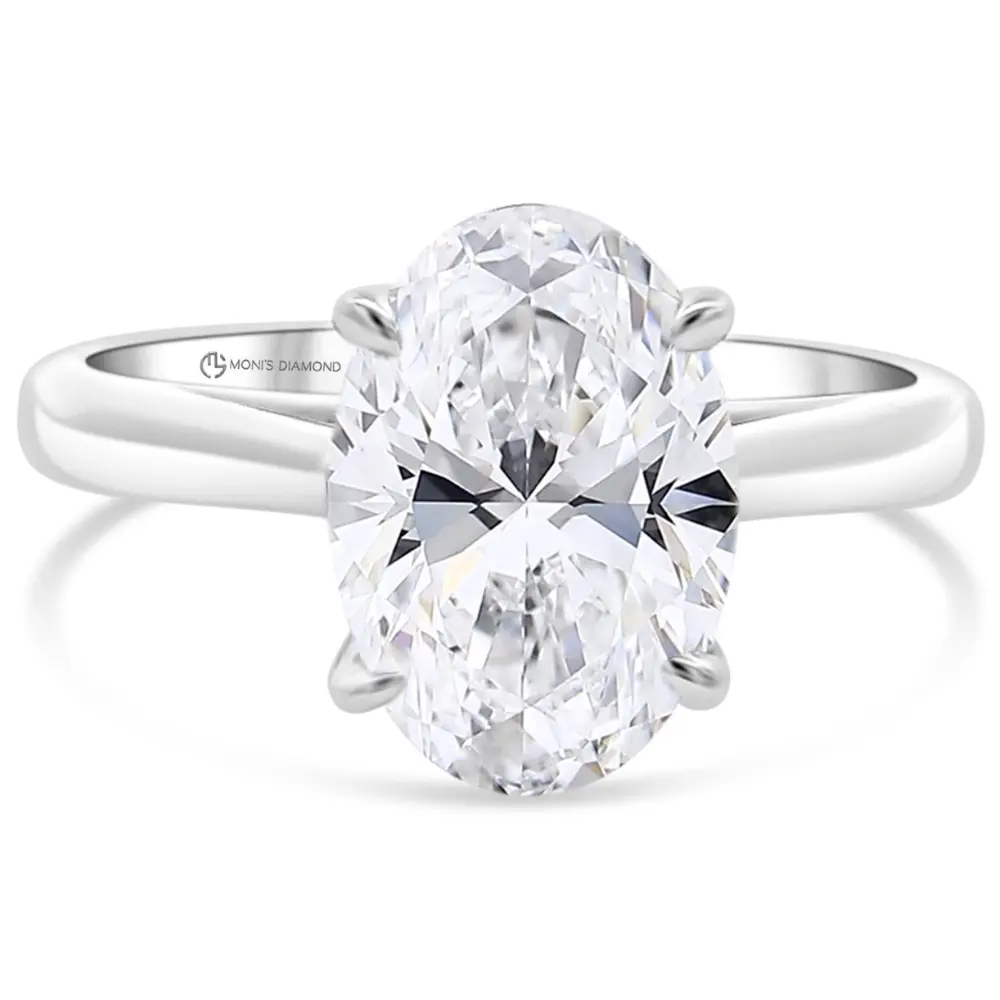
The oval cut diamond is one of the most sought-after shapes, blending the brilliant sparkle of a classic round diamond with a gracefully elongated silhouette. No wonder oval diamond engagement rings have become a favorite among brides worldwide — they flatter the hand by creating the illusion of longer, slender fingers, all while offering dazzling brilliance with every movement.

In our previous article, we explored in detail what diamond clarity truly means and why pursuing a “perfect” grading does not necessarily lead to the most beautiful result. When the choice moves toward a specific diamond engagement ring, however, the next step becomes unavoidable: understanding the international grading systems used to officially assess diamond clarity.

Diamond color is one of the defining elements of the 4Cs and has a direct impact on pricing. Diamonds in the D–F range are classified as colorless and are rarer, which places them in a higher price bracket. As one moves down the scale and a subtle yellow tint becomes present in the stone, prices generally decrease gradually.
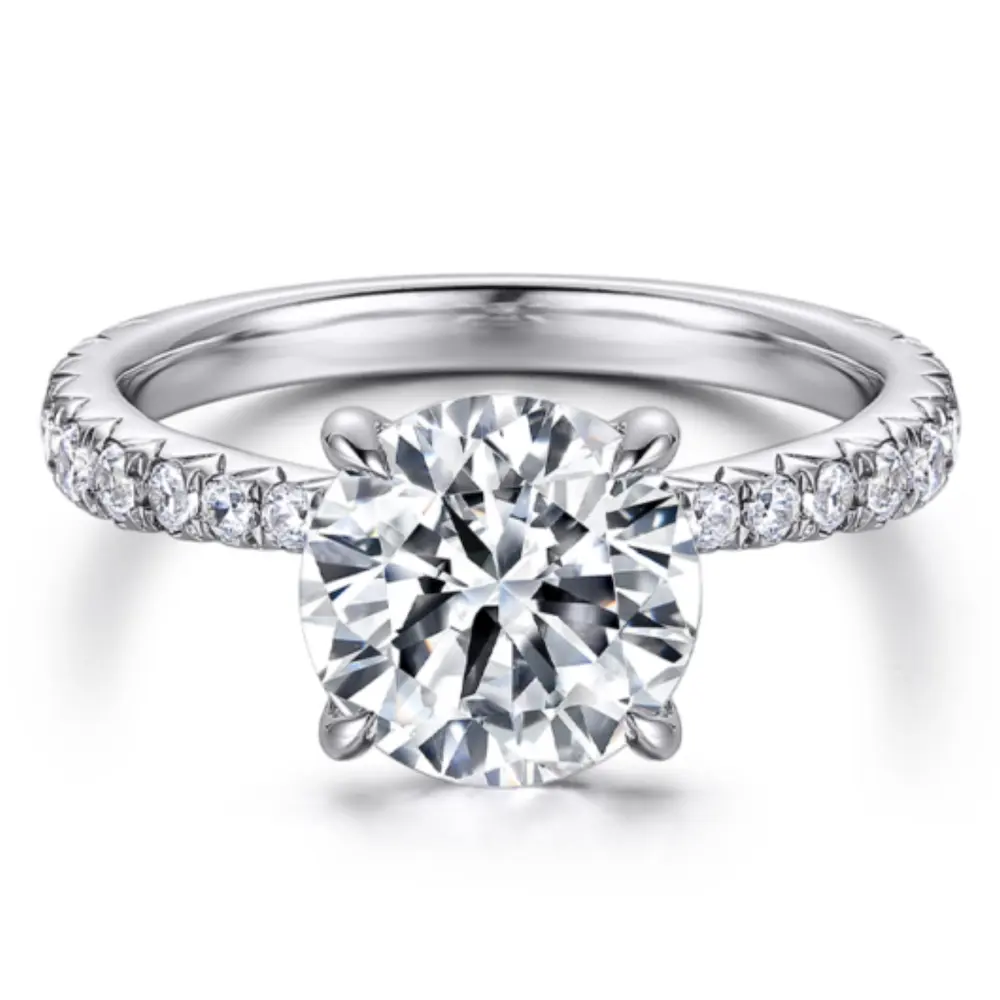
A diamond engagement ring is more than a gift: it’s a promise, a story, and a lifelong keepsake. When a diamond catches the light, it’s not only the stone that sparkles — it’s the emotion it carries. But how do you find the ring that truly stands the test of time? This guide answers every key question.

With the help of Moni’s Diamond jewelry experts, this guide explains what a "brill stone" actually is — and why the brilliant cut remains the most valuable and iconic of all diamond cuts. It walks you through the key steps of choosing a brilliant-cut diamond ring, from understanding the fundamentals to selecting the right style and certification. You’ll also find practical tips for evaluating quality, balancing carat and cut, and ensuring long-term care.
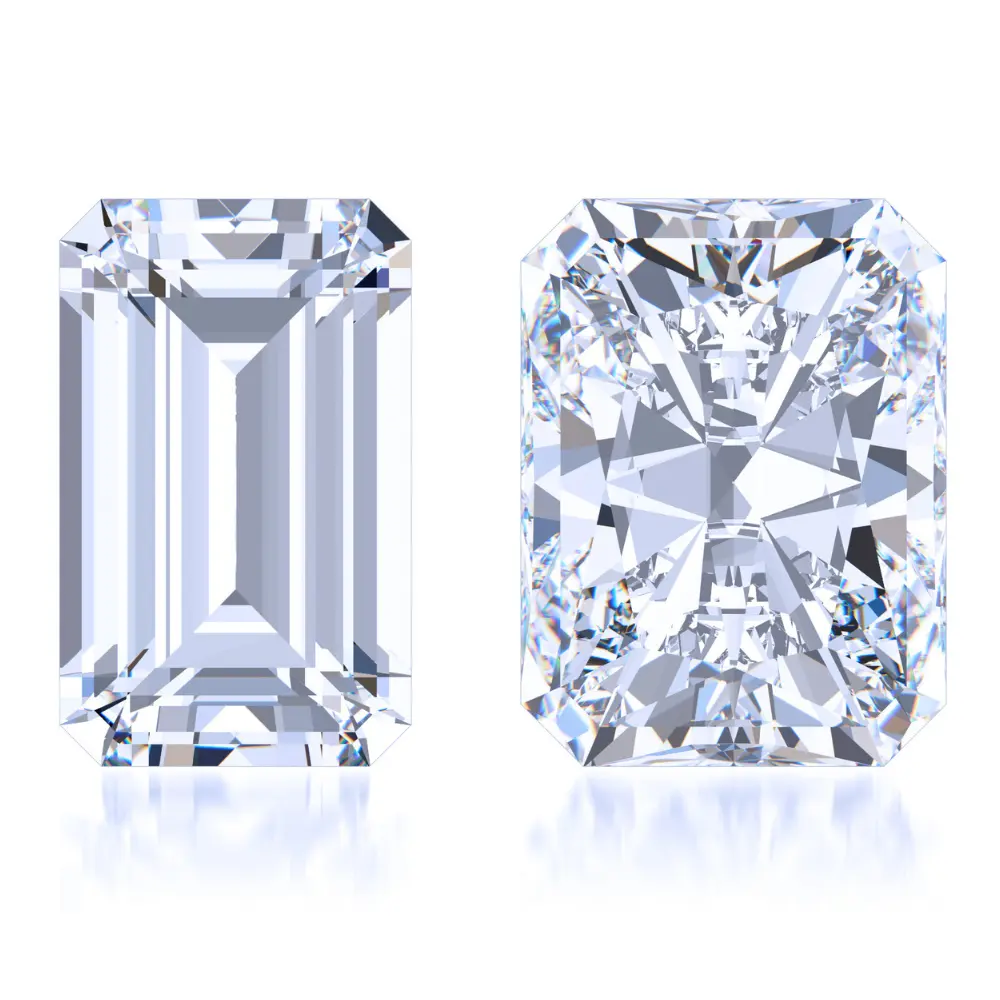
When choosing a diamond engagement ring, the diamond cut is far more than a question of shape. The cutting style determines how light travels through the stone, defines its character, and ultimately shapes the impression the ring conveys when worn. At first glance, emerald and radiant cuts may appear similar — both feature a rectangular outline with clean, refined lines — yet they create distinctly different visual experiences.