


Magazine
What makes a beautiful marquise diamond?
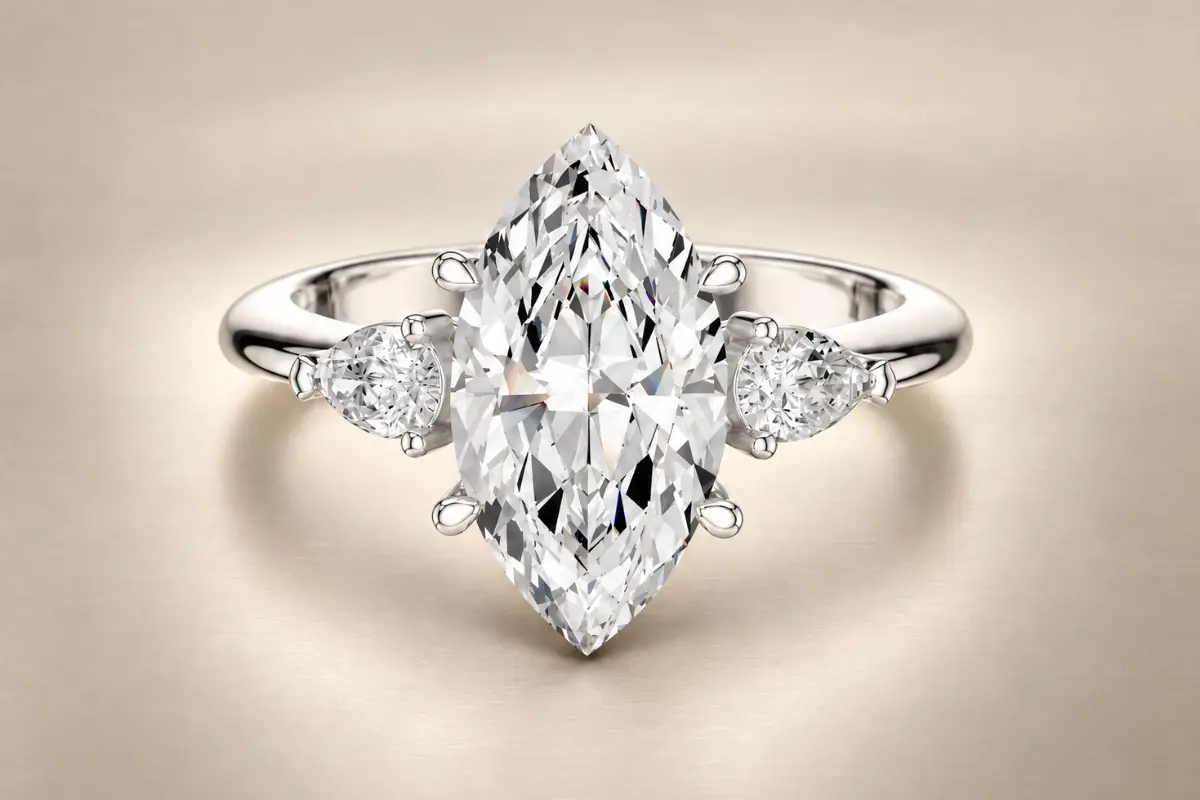
A marquise diamond is instantly recognisable by its elongated outline and two pointed ends. Classified as a modified brilliant cut, its facet pattern is designed to produce the lively light return associated with brilliant-style cutting. Its elongated shape gives it a distinctly different presence from a round brilliant. As the centre stone of a diamond engagement ring, it can make a strong statement on its own, while also lending itself well to designs with side stones or more individual settings.
A marquise diamond is instantly recognisable by its elongated outline and two pointed ends. Classified as a modified brilliant cut, its facet pattern is designed to produce the lively light return associated with brilliant-style cutting. Its elongated shape gives it a distinctly different presence from a round brilliant. As the centre stone of a diamond engagement ring, it can make a strong statement on its own, while also lending itself well to designs with side stones or more individual settings.
With a marquise diamond, carat weight, colour and clarity tell only part of the story. Length-to-width ratio, outline, symmetry and the stone’s actual dimensions all have a noticeable effect on its appearance. So what should you look for when buying a marquise diamond and which characteristics make the greatest difference to the finished stone?
What is a marquise cut?
The marquise is an elongated diamond shape that tapers to a point at both ends. In gemmological terms, it is classified as a modified brilliant cut. Its facet arrangement follows the principles of brilliant cutting but is adapted to its distinctive elongated outline.
One of the notable characteristics of the marquise is its relatively large face-up spread. At the same carat weight, a well-proportioned marquise can have greater visual presence than a more compact diamond shape because of its length and visible surface area. Carat, after all, is a measure of weight rather than dimensions.
When buying a diamond, it is therefore worth considering the measurements given on the grading report alongside carat weight, particularly the stone’s length, width and total depth.
Where does the name marquise come from?
The marquise cut has a frequently repeated story attached to its origins. According to tradition, King Louis XV of France commissioned a diamond shape inspired by the outline of Madame de Pompadour’s lips. The name marquise is generally associated with the French title for a marchioness.
It is better to regard this as part of the historical lore surrounding the cut rather than a precisely documented account of its origin. The marquise diamond as we know it today developed over a much longer period, with both its outline and facet arrangement evolving over the centuries.
Its distinctive elongated silhouette nevertheless remains one of the features that sets it apart from the classic round brilliant.
What proportions should a marquise diamond have?
One of the defining geometric characteristics of a marquise diamond is its length-to-width ratio, calculated by dividing its length by its width.
There is no single ratio that can be considered ideal for every marquise diamond. A lower length-to-width ratio creates a broader, fuller outline, while a higher ratio produces a narrower and more elongated shape.
The ratio itself is not a measure of quality. The balance of the outline, the curves along each side, the alignment of the two points and the overall symmetry of the stone are equally important. Two marquise diamonds of the same carat weight can therefore look quite different simply because their proportions and dimensions differ.
For a diamond engagement ring, it is also worth considering how the shape looks on the hand and how its proportions work with the chosen setting.
Why is symmetry particularly important?
The elongated outline of a marquise makes any asymmetry relatively easy to see. The two points should sit on the same longitudinal axis, while the curves on either side should create a balanced outline.
Even relatively small irregularities can affect the overall appearance. If one side is fuller or flatter than the other, the points are out of alignment, or the two halves follow noticeably different curves, the shape can lose the balance that gives a well-proportioned marquise its distinctive appearance.
For this reason, the outline itself deserves close attention alongside the information provided on the grading report.
How important is cut quality?
Cut has a fundamental influence on the appearance of a marquise diamond. It determines the stone’s proportions and outline, while the placement and angles of its facets influence how it interacts with light.
Polish and symmetry grades on a grading report provide useful information, but they do not describe the complete visual appearance of a marquise diamond. Exact dimensions, length-to-width ratio, outline, facet arrangement and light performance all contribute to the way the finished stone looks. As a result, two marquise diamonds with similar specifications on paper can look noticeably different in person.
What clarity should you choose for a marquise diamond?
A higher clarity grade does not necessarily mean a more beautiful diamond. What matters is whether the clarity characteristics are visible to the unaided eye, as well as their type, size and location within the stone.
With a marquise cut, significant inclusions close to the points or girdle deserve particular attention. The two pointed ends are more vulnerable to damage, so certain clarity characteristics in these areas may need to be assessed with durability in mind.
This does not mean that every inclusion near a point presents a structural risk. Its type, size and exact position, together with the design of the setting, all need to be considered.
For this reason, two marquise diamonds with the same clarity grade can still differ both visually and gemmologically.
How does colour appear in a marquise diamond?
A laboratory colour grade assesses a diamond’s colour under controlled, standardised conditions. The way that colour is perceived once the diamond is set in a piece of jewellery can be more complex.
The shape, size and proportions of the diamond, as well as light reflected from its surroundings, can all influence how its colour appears to the eye. Two diamonds with the same colour grade but different shapes or proportions may therefore not look identical when viewed face-up.
The colour of the precious metal surrounding the stone can also affect the overall impression. White gold or platinum creates a different visual setting for the diamond than yellow or rose gold.
The colour grade remains an important basis for comparison, but when choosing a diamond engagement ring, it is also worth considering how the diamond and setting will look together.
What setting works best for a marquise diamond?
Choosing a setting for a marquise diamond is not purely an aesthetic decision. Its two pointed ends are more exposed to knocks and potential chipping, so protecting them is an important part of the ring’s construction.
V-shaped prongs are commonly used to protect the tips, although other carefully designed setting solutions can serve the same purpose. The right approach depends on the size and proportions of the diamond as well as the construction of the ring itself.
Traditionally, a marquise diamond is set lengthways along the finger, but it can also be positioned horizontally in an east-west setting. Changing the orientation can give the same diamond very different proportions and character once set into a ring.
Does a marquise diamond look larger than other shapes?
Because of its elongated outline, a marquise diamond can have a generous face-up spread for its carat weight. In many cases, this gives it greater visual presence than a shape in which more of the diamond’s weight is carried in its depth.
This should not be treated as a universal rule. Perceived size also depends on the stone’s exact length and width, total depth, proportions and the design of the setting.
When buying a diamond, it is therefore useful to compare its measurements in millimetres as well as its carat weight. Two marquise diamonds of identical weight can differ noticeably in their face-up dimensions.
What should you look for when buying a marquise diamond?
The 4Cs remain an important starting point when assessing a marquise diamond, but they do not tell the whole story of how the stone will look.
Alongside carat weight, colour and clarity, it is worth comparing the exact dimensions and length-to-width ratio and examining the symmetry of the outline. Significant inclusions near the pointed ends and the protection provided by the setting may also be important considerations.
A grading report issued by a recognised independent gemmological laboratory provides essential, verifiable information about a diamond. With a marquise cut, however, visual assessment is particularly important. Two diamonds that appear similar on paper can show noticeable differences in their proportions, outline and optical appearance.
At Moni’s Diamond jewellery stores, we therefore assess natural marquise diamonds beyond any single grading parameter. Alongside the 4Cs, we consider their proportions, outline, symmetry and overall visual appearance, as well as how the individual diamond will complement the design of the finished diamond ring.
(Image: Moni's Diamond)
APPOINTMENT BOOKING
Reserve your preferred time slot to enjoy a personalized and unforgettable jewelry design experience. Our experts will focus exclusively on you, ensuring every detail is perfect and every moment feels special.
Booking online: https://www.monis.hu/en/appointment-booking
Booking by phone: +36 70 427 0053
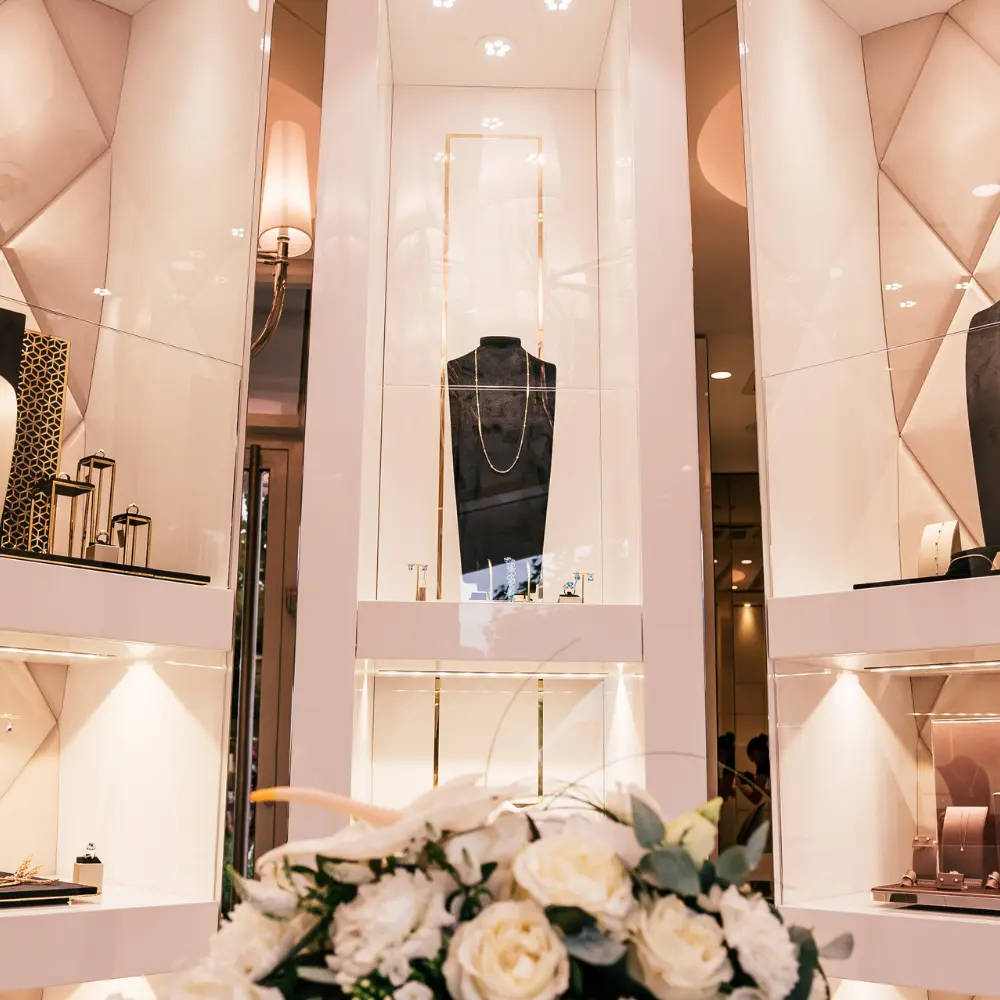
Balatonfüred is more than just a destination – it’s a promise. A place where culture, nature, and refined style come together in perfect harmony along the shores of Lake Balaton. And nestled like a jewel along the iconic Tagore Promenade, you’ll find Moni’s Diamond Boutique – a fine jewelry store that offers far more than just shopping. It is a space where timeless luxury, personal care, and enduring value take center stage.

Located just a few steps from St. Stephen’s Basilica, Moni’s Diamond jewelry store welcomes those who are not simply looking for jewelry, but for meaning, emotion, and timeless value.
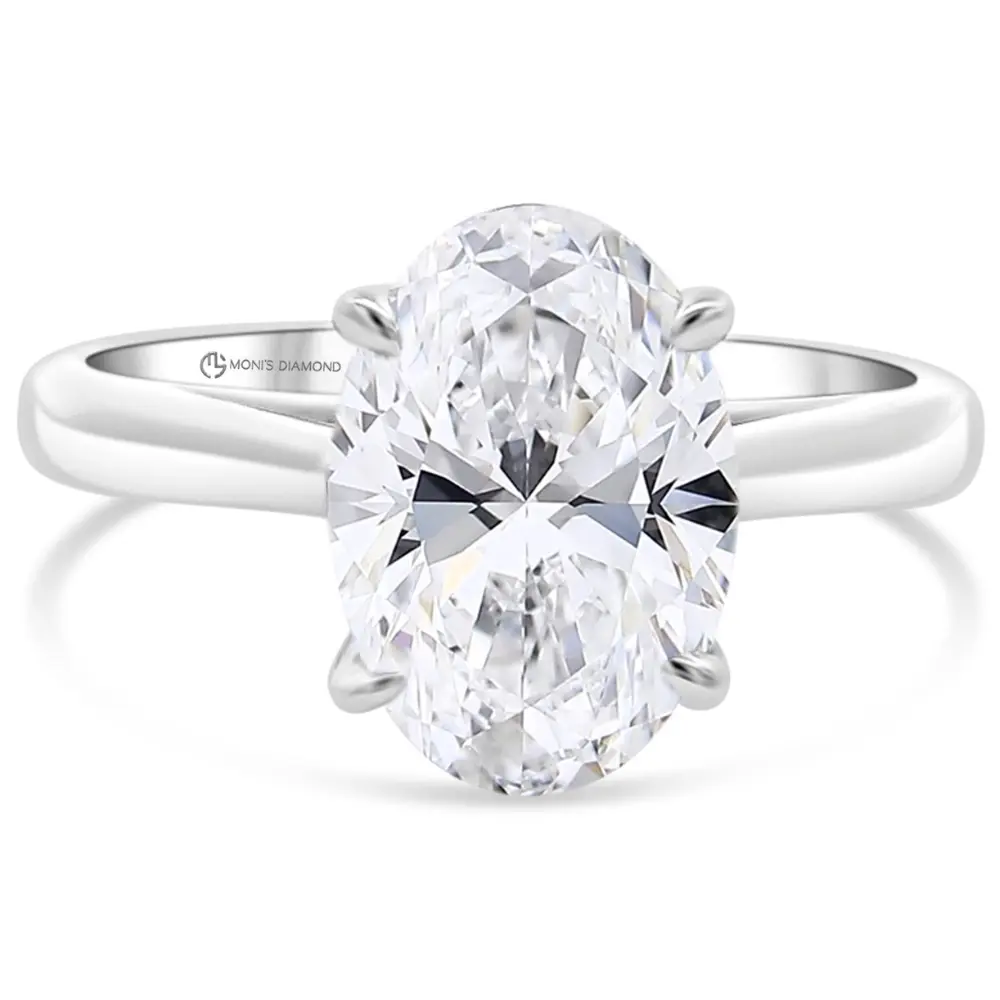
The oval cut diamond is one of the most sought-after shapes, blending the brilliant sparkle of a classic round diamond with a gracefully elongated silhouette. No wonder oval diamond engagement rings have become a favorite among brides worldwide — they flatter the hand by creating the illusion of longer, slender fingers, all while offering dazzling brilliance with every movement.
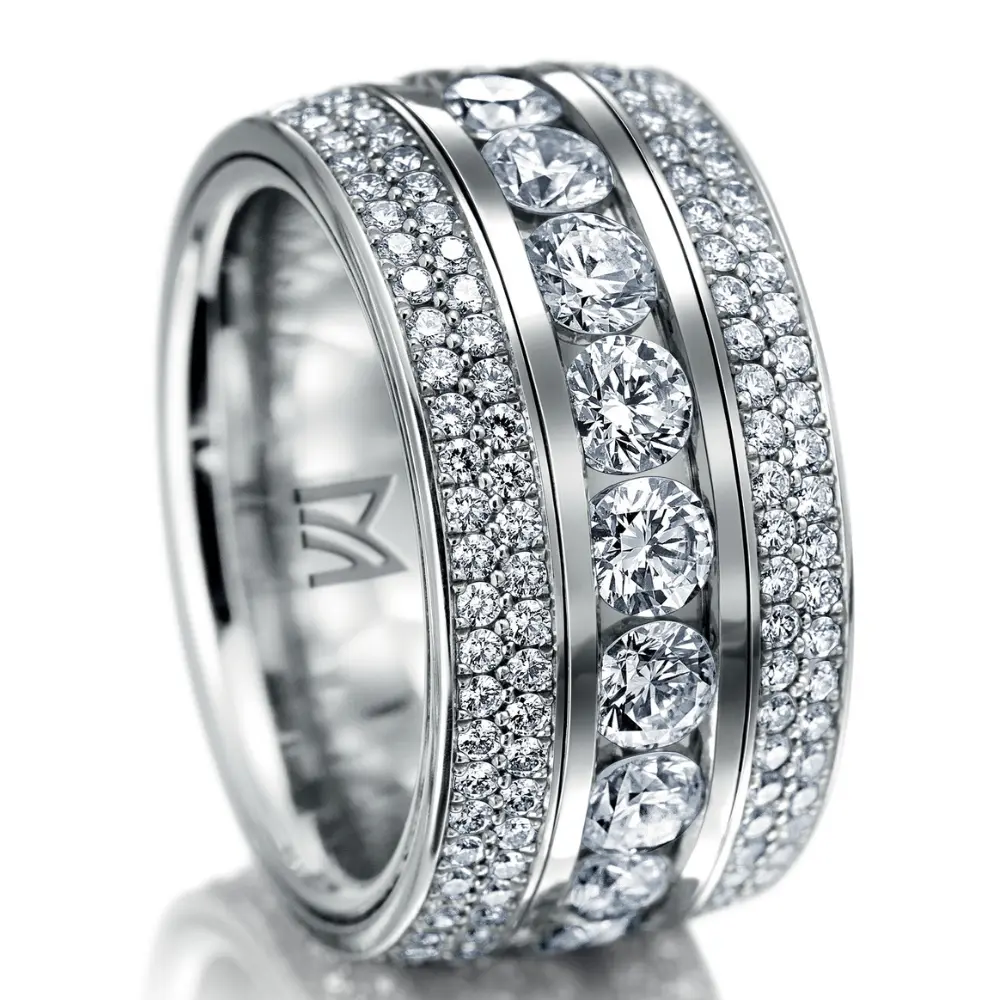
In the world of diamond jewelry, few innovations seamlessly blend masterful craftsmanship with modern design dynamics. The Meister Girello diamond ring is one such rarity—featuring a unique spinning mechanism that brings the brilliance of diamonds to life from every angle.

In our previous article, we explored in detail what diamond clarity truly means and why pursuing a “perfect” grading does not necessarily lead to the most beautiful result. When the choice moves toward a specific diamond engagement ring, however, the next step becomes unavoidable: understanding the international grading systems used to officially assess diamond clarity.
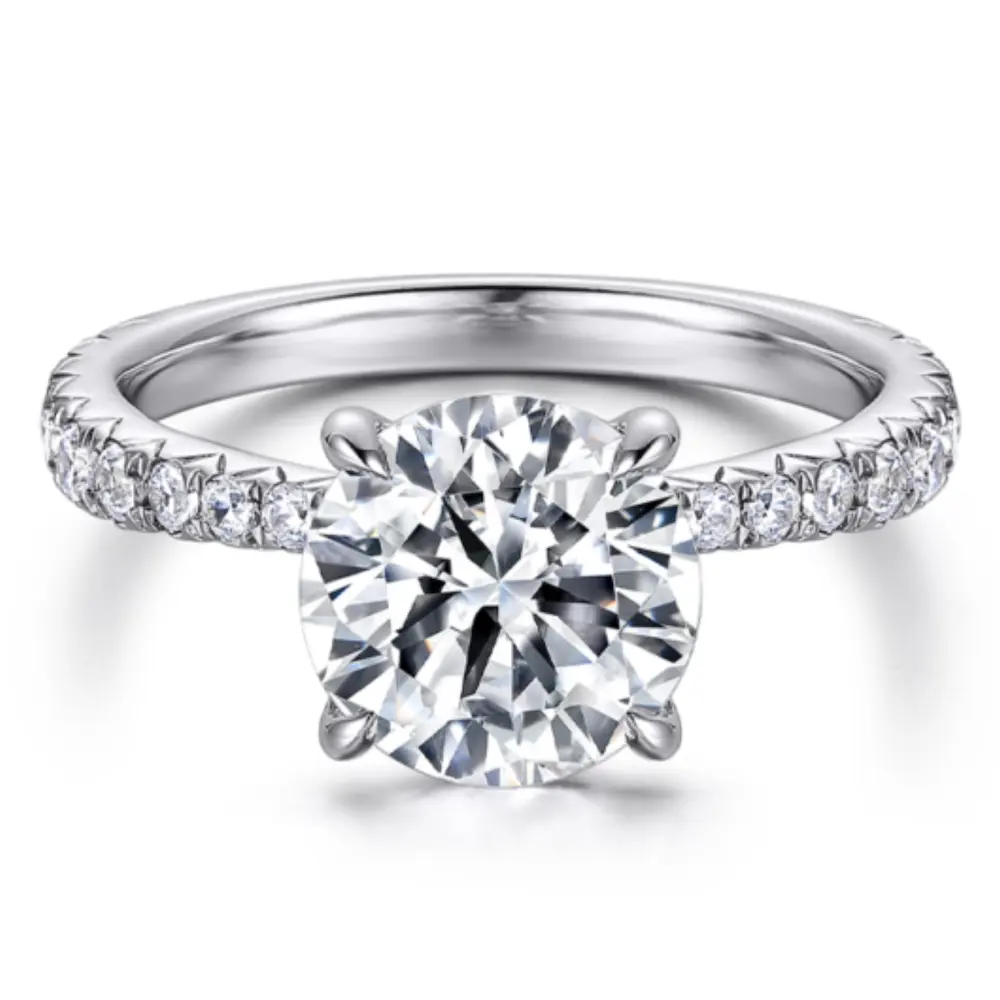
A diamond engagement ring is more than a gift: it’s a promise, a story, and a lifelong keepsake. When a diamond catches the light, it’s not only the stone that sparkles — it’s the emotion it carries. But how do you find the ring that truly stands the test of time? This guide answers every key question.
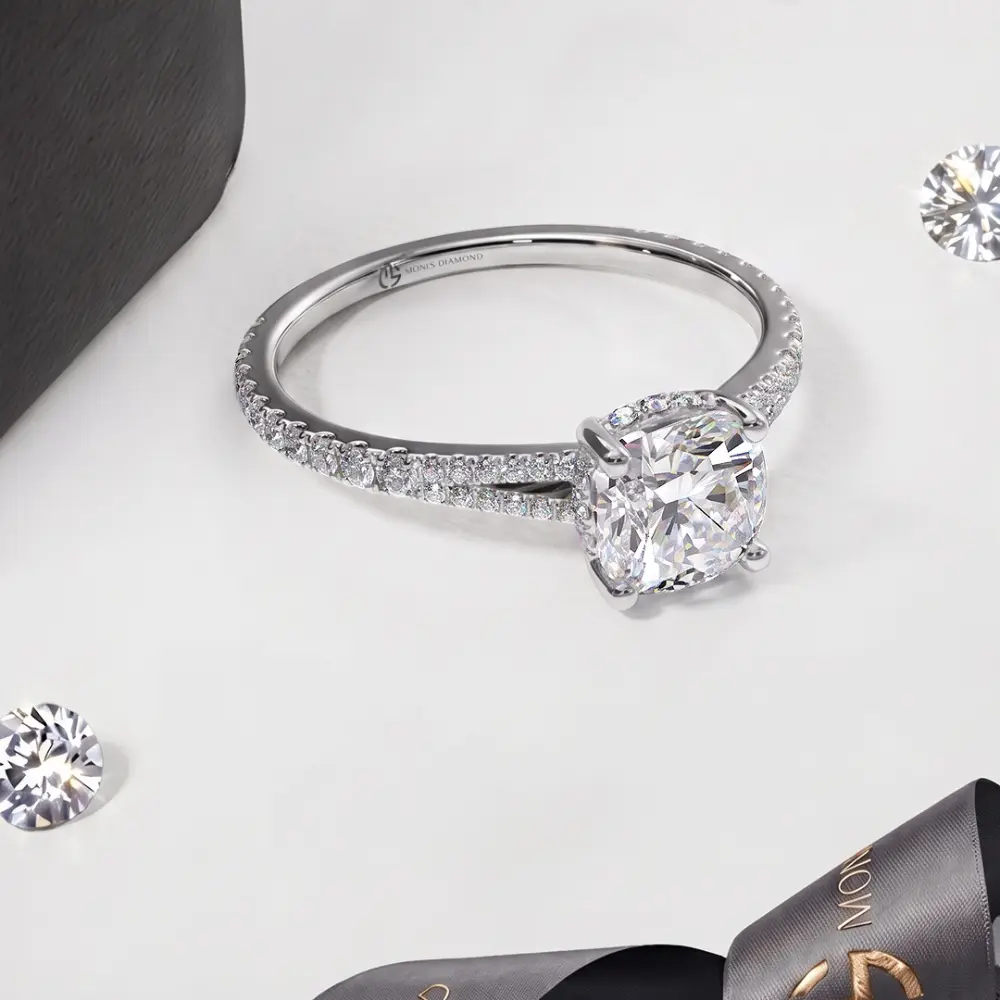
A cushion-cut diamond is instantly recognisable by its square or slightly rectangular shape, rounded corners and softly curved outline. Look a little closer, however, and the picture becomes far more complex. Two cushion-cut diamonds of the same carat weight can differ considerably in their proportions, light performance and overall character.
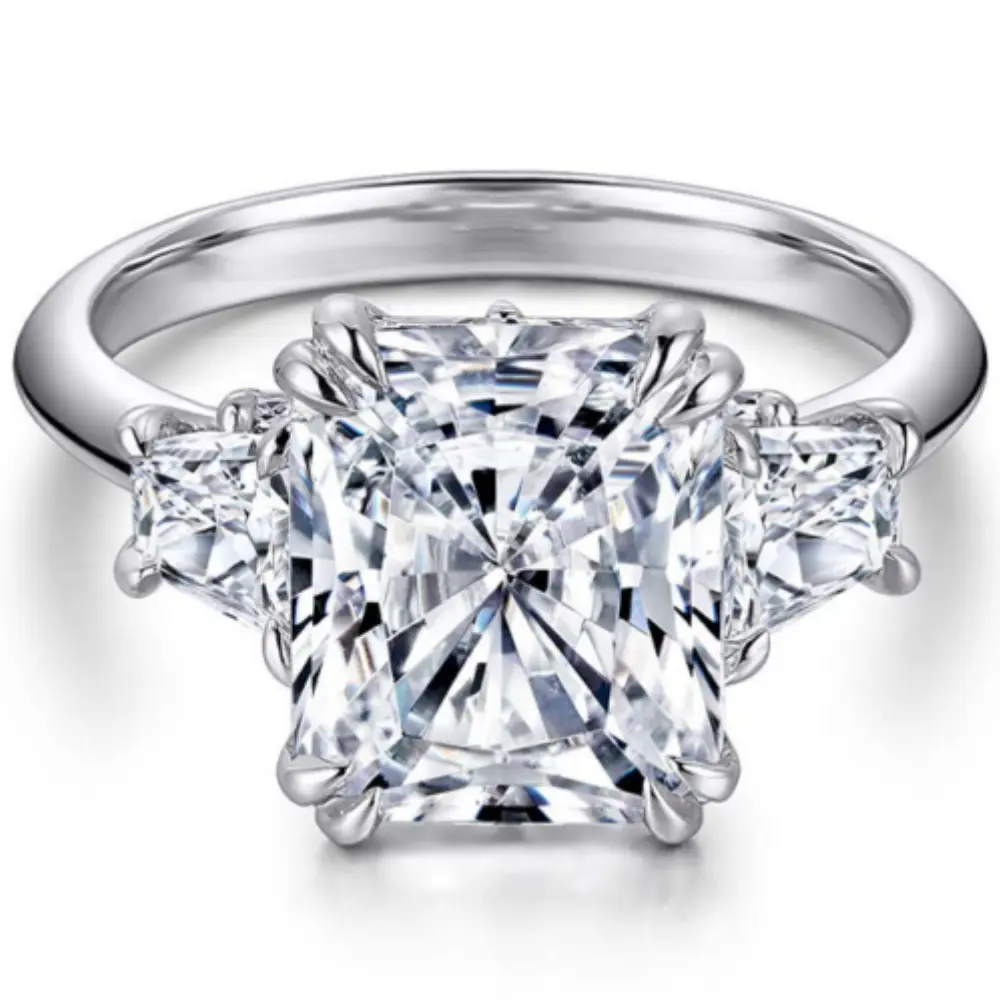
A diamond engagement ring is no longer just a classic piece of jewellery, it is a reflection of a personal story. In the world of luxury, a clear shift is taking place: instead of mass-produced designs, the focus is moving toward bespoke creations, designed specifically for the individual.