


Magazine
7 Common diamond myths to know before buying a diamond
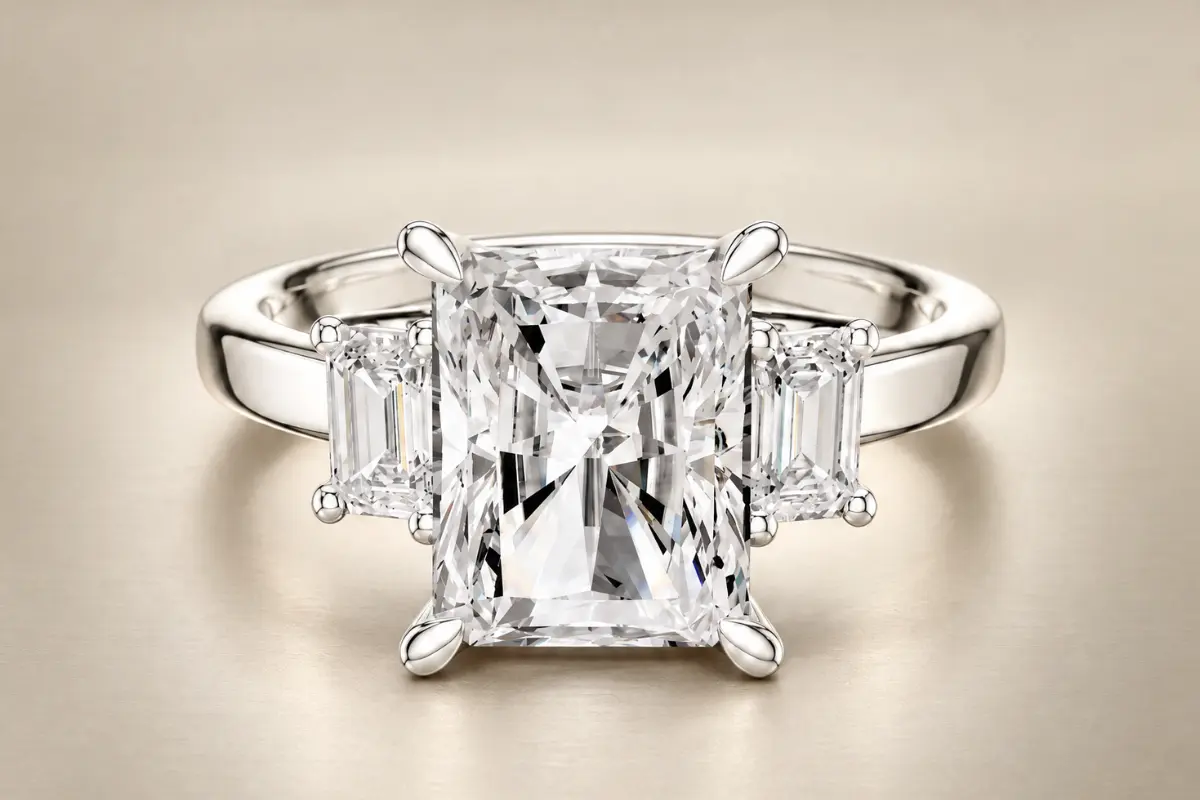
Diamonds are surrounded by assumptions that are often taken as fact. A larger diamond is more valuable. The highest clarity grade is always the most desirable. Diamonds cannot break. These ideas have endured partly because they offer simple answers to questions that are considerably more complex from a gemmological perspective.
Diamonds are surrounded by assumptions that are often taken as fact. A larger diamond is more valuable. The highest clarity grade is always the most desirable. Diamonds cannot break. These ideas have endured partly because they offer simple answers to questions that are considerably more complex from a gemmological perspective.
When choosing a diamond engagement ring, however, such assumptions can be misleading. Carat weight, colour, clarity and cut should be considered together, alongside the proportions and optical characteristics of the individual stone and, in some cases, its fluorescence. Here, we look at seven of the most common misconceptions about diamonds and explain what matters from a gemmological perspective.
Myth 1: The bigger the diamond, the better it looks
Carat weight is one of the easiest details to understand on a diamond grading report, which is perhaps why it is so often given disproportionate importance. But carat is a measure of weight, not quality. A 1.50 carat diamond will not automatically be more beautiful or visually impressive than a 1.00 carat stone.
Cut plays a fundamental role in a diamond’s appearance. Facet arrangement, proportions, symmetry and polish all influence how the stone interacts with light. A smaller diamond with an excellent cut can therefore display a livelier and more striking play of light than a larger stone with less successful proportions.
Carat weight does not even tell us exactly how large a diamond will appear. Two diamonds of the same weight can have different face-up dimensions depending on their shape and proportions.
When buying a diamond, it is therefore worth looking beyond the carat figure to consider how the weight is distributed and how the stone performs visually.
Myth 2: All diamonds sparkle in the same way
Diamond’s high refractive index and strong dispersion contribute to its distinctive optical appearance, but the quality of the cut has a major influence on how these properties are expressed. The proportions, angles and arrangement of the facets affect the way a diamond interacts with light. As a result, brightness, flashes of spectral colour and the patterns of light and dark seen as the stone moves can vary considerably from one diamond to another.
For round brilliant diamonds, the cut grade provides a particularly useful point of reference. A grading report issued by an internationally recognised gemmological laboratory also provides information on characteristics such as symmetry and polish.
There is another, far more everyday factor to consider. Natural oils from the skin, cosmetics and other residues can build up on a diamond during wear and diminish its sparkle. A diamond ring worn regularly therefore benefits from periodic professional cleaning and inspection.
Myth 3: The highest clarity grade is always the best choice
A diamond’s clarity grade describes the internal and external characteristics observed under defined grading conditions. In general, the less significant these characteristics are, the higher the clarity grade.
It is easy to assume that a diamond engagement ring should therefore always contain a diamond with the highest possible clarity grade. In practice, the decision is more nuanced.
The difference between two neighbouring clarity grades may be impossible to detect with the naked eye. A higher grade can therefore carry a substantial price premium without producing an equally noticeable difference in the diamond’s everyday appearance.
Inclusions should not be considered simply in terms of quantity either. Their type, size, position and visibility all matter. Choosing an appropriate clarity grade can therefore make more sense than automatically seeking the highest grade available.
Myth 4: Diamonds cannot break
Diamond ranks 10 on the Mohs scale, making it the hardest naturally occurring mineral. This is sometimes misunderstood to mean that a diamond cannot chip or break.
Hardness, however, refers to resistance to scratching. It is not the same as toughness, which describes a material’s resistance to chipping and breaking.
Diamond has cleavage planes within its crystal structure. A sufficiently hard impact in the right direction can cause a diamond to chip or even split. Particular care is needed around more exposed areas, such as the points of pear and marquise shapes and the corners of princess-cut diamonds.
This also has implications for the design of the setting. A well-designed setting should not only complement the diamond aesthetically but also provide appropriate protection for its more vulnerable areas. Diamond is exceptionally hard, but it is not unbreakable.
Myth 5: An inclusion makes a diamond more likely to break
Inclusions in natural diamonds are part of the stone’s formation and geological history. Their presence does not in itself mean that a diamond is structurally weak.
What matters is the type and location of the inclusion. Certain clarity characteristics, particularly those situated close to the girdle, in another vulnerable area or along a cleavage plane, may increase the risk of chipping. Many other inclusions have no meaningful effect on a diamond’s durability.
This is also why a diamond should not be judged solely by the letters and numbers on its grading report. Two diamonds with the same clarity grade can contain very different types of inclusions in very different locations.
Myth 6: Fluorescence reduces a diamond’s quality
Fluorescence is one of the more frequently misunderstood characteristics of a diamond. Some diamonds emit visible light when exposed to ultraviolet radiation, most commonly appearing blue.
Fluorescence is not one of the 4Cs and is not inherently a positive or negative characteristic. Gemmological laboratories record it separately on the grading report. GIA uses five categories to describe its intensity: None, Faint, Medium, Strong and Very Strong.
Its effect depends on the individual diamond and the lighting conditions. In some cases, blue fluorescence can make a yellowish tint appear less noticeable. Strong fluorescence can occasionally be associated with a hazy or oily appearance, but this is not a general characteristic of diamonds with strong fluorescence.
Fluorescence alone is therefore not a reason to rule out a diamond. The individual stone should be assessed on its own merits, ideally under different lighting conditions.
Myth 7: Two diamonds with the same 4Cs are essentially the same
The 4Cs provide an essential framework for comparing diamonds, but identical carat weight, colour and clarity grades do not mean that two stones will look alike.
The differences can be particularly noticeable among fancy shapes, the term used for shapes other than the round brilliant. Two oval diamonds with the same carat weight, colour and clarity, for example, may differ in their length-to-width ratio, dimensions and light performance. One may have a more elongated outline, while another appears fuller, giving each a distinctly different character.
The same principle applies to emerald, cushion, pear and marquise shapes. Proportions, facet arrangement and exact dimensions all influence the appearance of the finished diamond.
When buying a diamond, the 4Cs should therefore be considered in context rather than as isolated specifications. A grading report provides objective, comparable information, but the proportions and visual appearance of the individual diamond remain important parts of the final assessment.
A diamond’s value is determined by several factors
Most misconceptions about diamonds stem from the same problem: trying to judge the entire stone by a single characteristic.
A higher carat weight does not guarantee better light performance. A higher clarity grade may not produce a visible difference. Fluorescence is not automatically a disadvantage, and diamond’s exceptional hardness does not make it immune to damage.
When choosing a diamond engagement ring, these characteristics are best considered together. The 4Cs provide an important starting point, but the diamond’s proportions, optical appearance, the design of the setting and personal preference all play a part in determining which stone is the right choice.
At Moni’s Diamond jewelry stores, our approach to buying a diamond is therefore not about maximising a single grade. We look for a natural diamond with a considered balance of characteristics, taking into account its size, proportions and visual appearance as well as how it will work within the design of the finished diamond ring.
(Image: Moni's Diamond)
APPOINTMENT BOOKING
Reserve your preferred time slot to enjoy a personalized and unforgettable jewelry design experience. Our experts will focus exclusively on you, ensuring every detail is perfect and every moment feels special.
Booking online: https://www.monis.hu/en/appointment-booking
Booking by phone: +36 70 427 0053
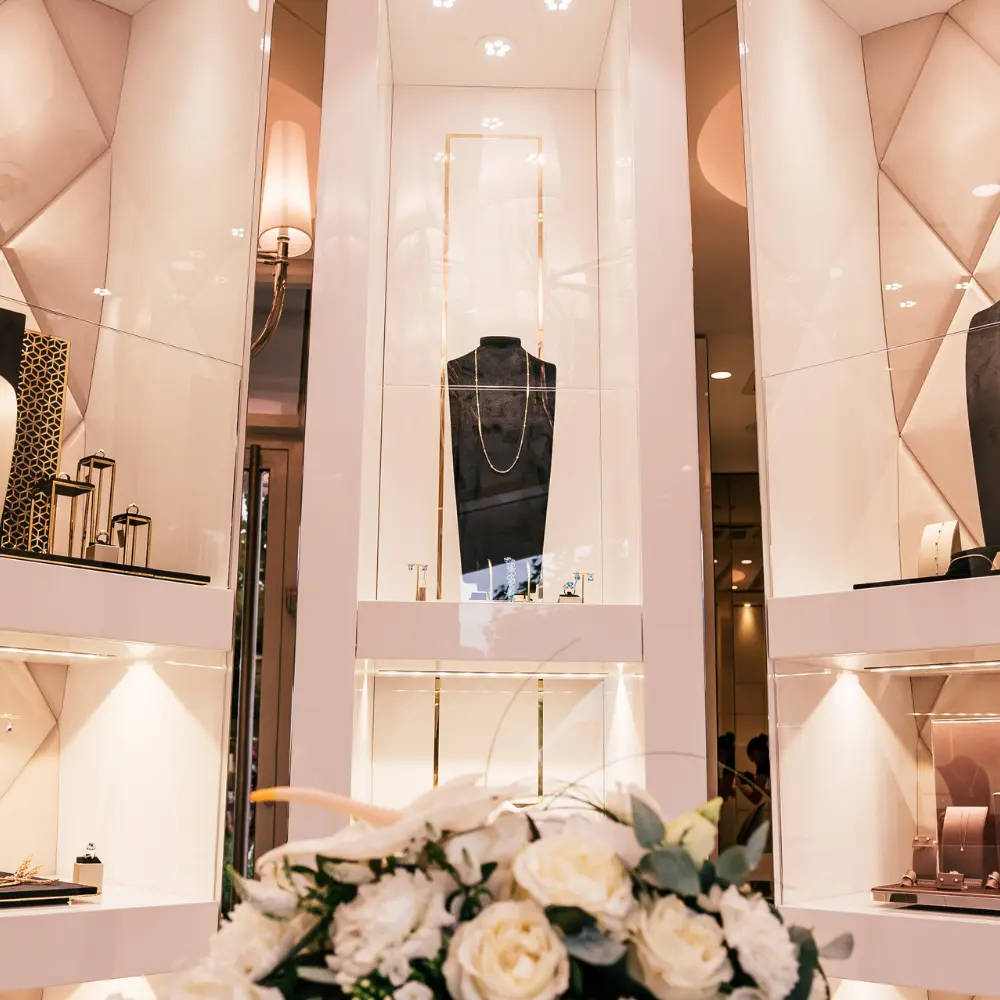
Balatonfüred is more than just a destination – it’s a promise. A place where culture, nature, and refined style come together in perfect harmony along the shores of Lake Balaton. And nestled like a jewel along the iconic Tagore Promenade, you’ll find Moni’s Diamond Boutique – a fine jewelry store that offers far more than just shopping. It is a space where timeless luxury, personal care, and enduring value take center stage.

Located just a few steps from St. Stephen’s Basilica, Moni’s Diamond jewelry store welcomes those who are not simply looking for jewelry, but for meaning, emotion, and timeless value.
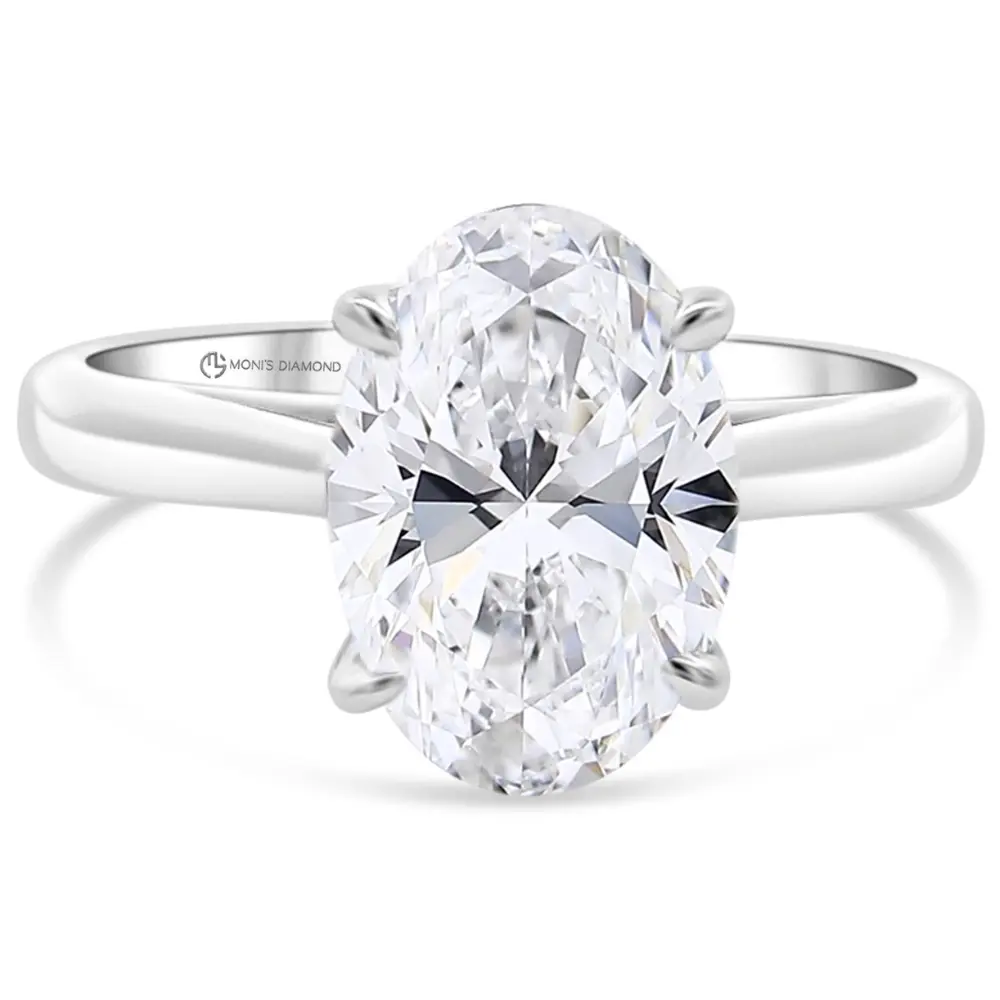
The oval cut diamond is one of the most sought-after shapes, blending the brilliant sparkle of a classic round diamond with a gracefully elongated silhouette. No wonder oval diamond engagement rings have become a favorite among brides worldwide — they flatter the hand by creating the illusion of longer, slender fingers, all while offering dazzling brilliance with every movement.
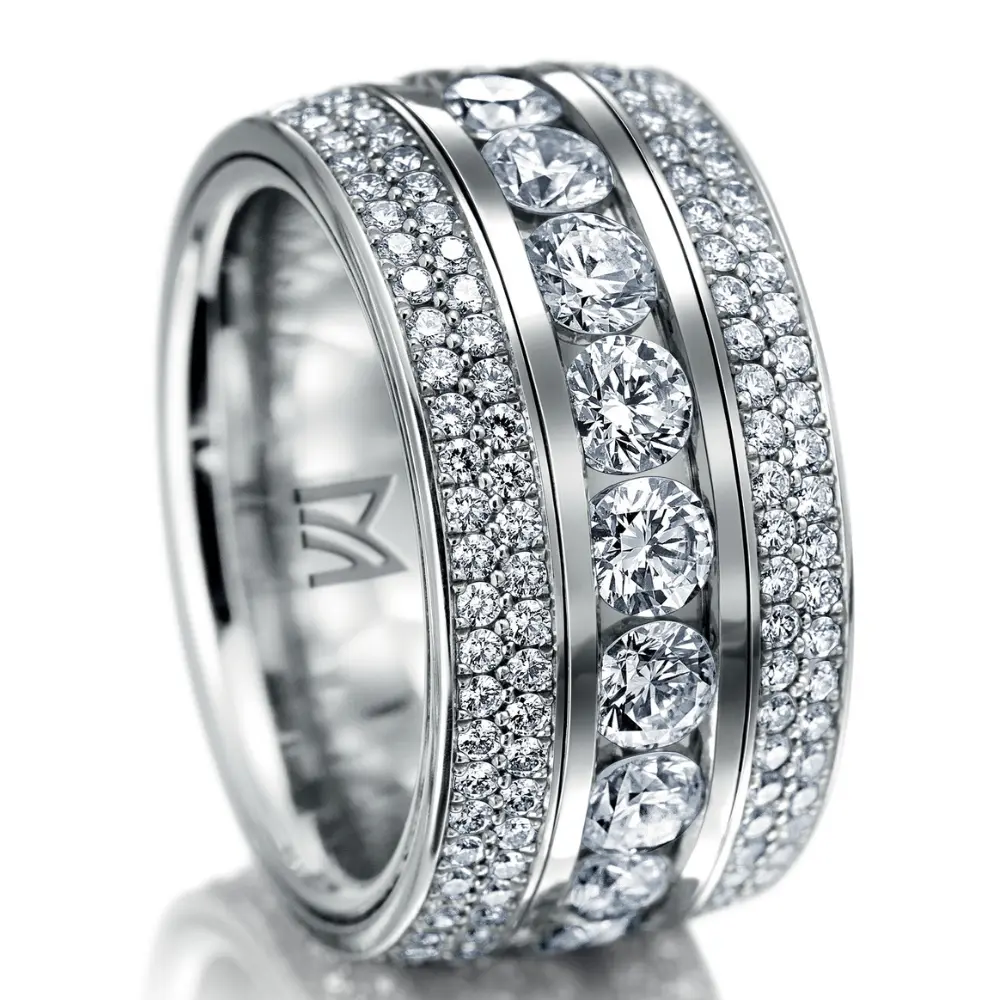
In the world of diamond jewelry, few innovations seamlessly blend masterful craftsmanship with modern design dynamics. The Meister Girello diamond ring is one such rarity—featuring a unique spinning mechanism that brings the brilliance of diamonds to life from every angle.

In our previous article, we explored in detail what diamond clarity truly means and why pursuing a “perfect” grading does not necessarily lead to the most beautiful result. When the choice moves toward a specific diamond engagement ring, however, the next step becomes unavoidable: understanding the international grading systems used to officially assess diamond clarity.
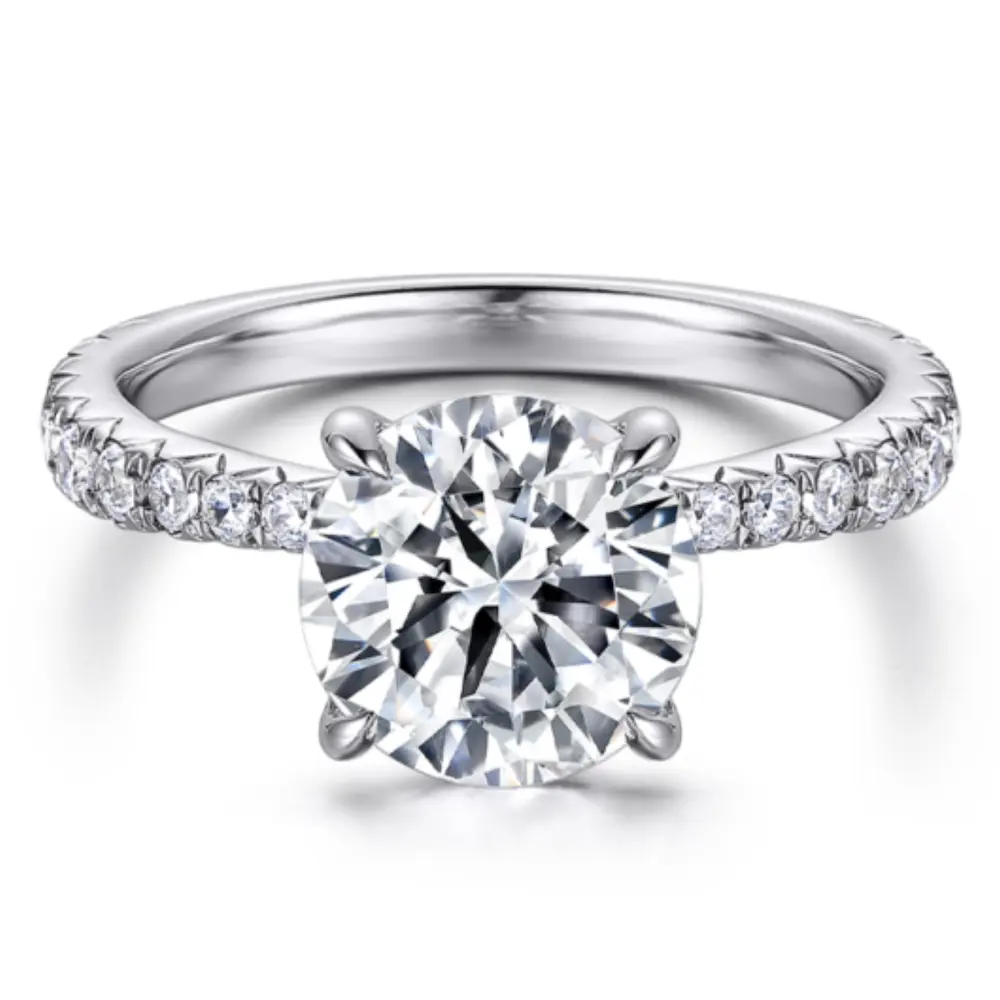
A diamond engagement ring is more than a gift: it’s a promise, a story, and a lifelong keepsake. When a diamond catches the light, it’s not only the stone that sparkles — it’s the emotion it carries. But how do you find the ring that truly stands the test of time? This guide answers every key question.
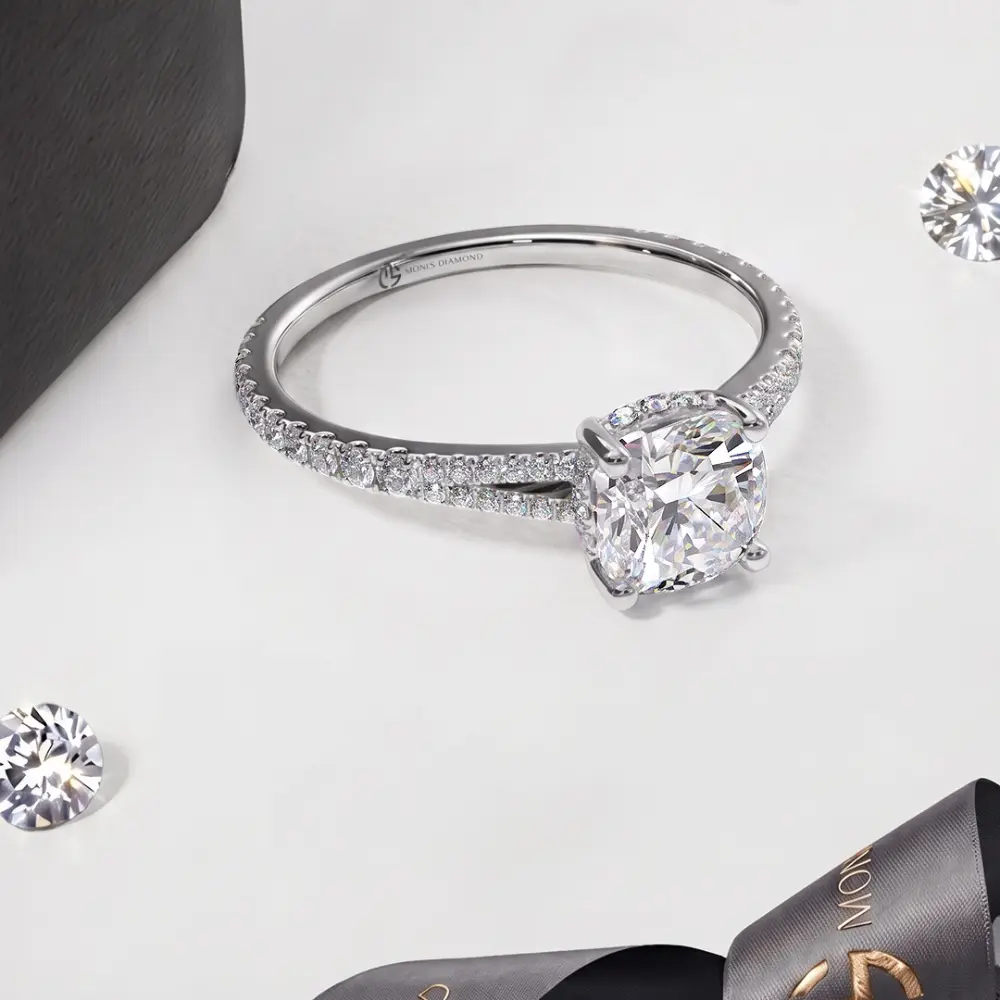
A cushion-cut diamond is instantly recognisable by its square or slightly rectangular shape, rounded corners and softly curved outline. Look a little closer, however, and the picture becomes far more complex. Two cushion-cut diamonds of the same carat weight can differ considerably in their proportions, light performance and overall character.
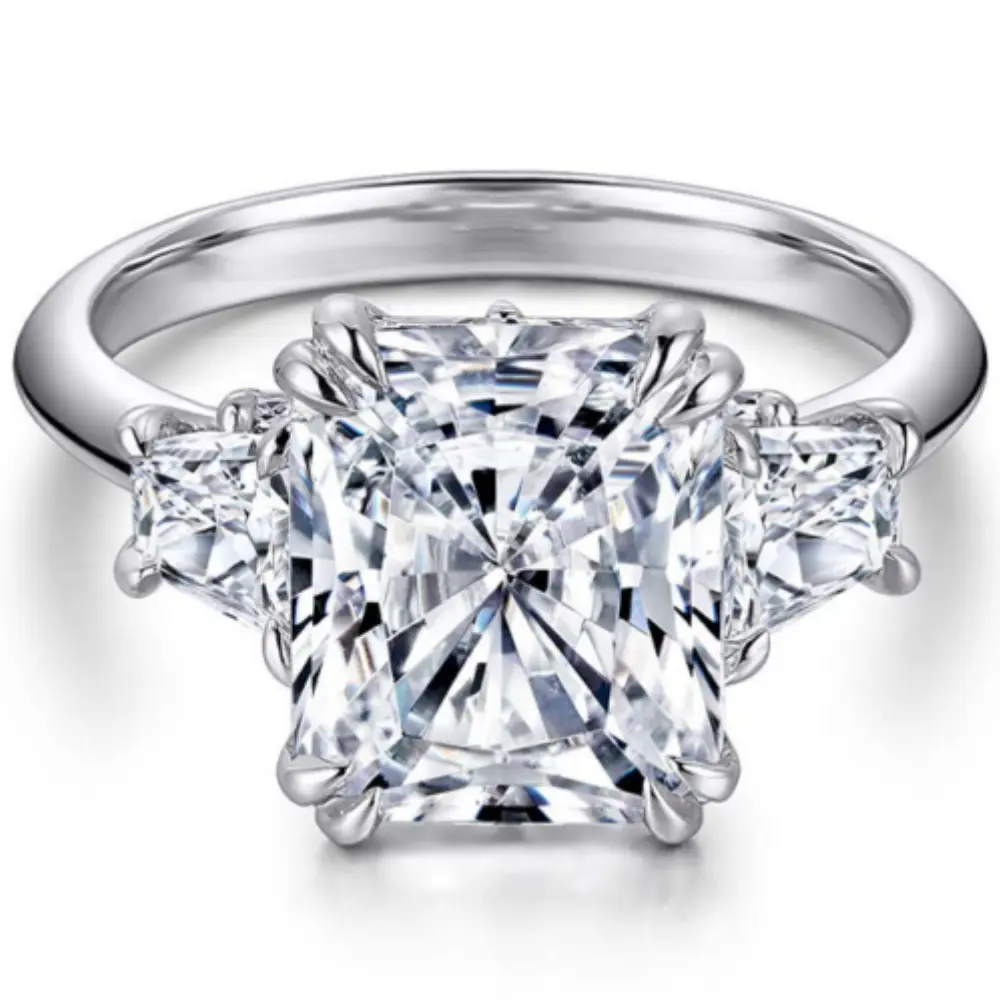
A diamond engagement ring is no longer just a classic piece of jewellery, it is a reflection of a personal story. In the world of luxury, a clear shift is taking place: instead of mass-produced designs, the focus is moving toward bespoke creations, designed specifically for the individual.