


Magazine
Why are black diamonds black?
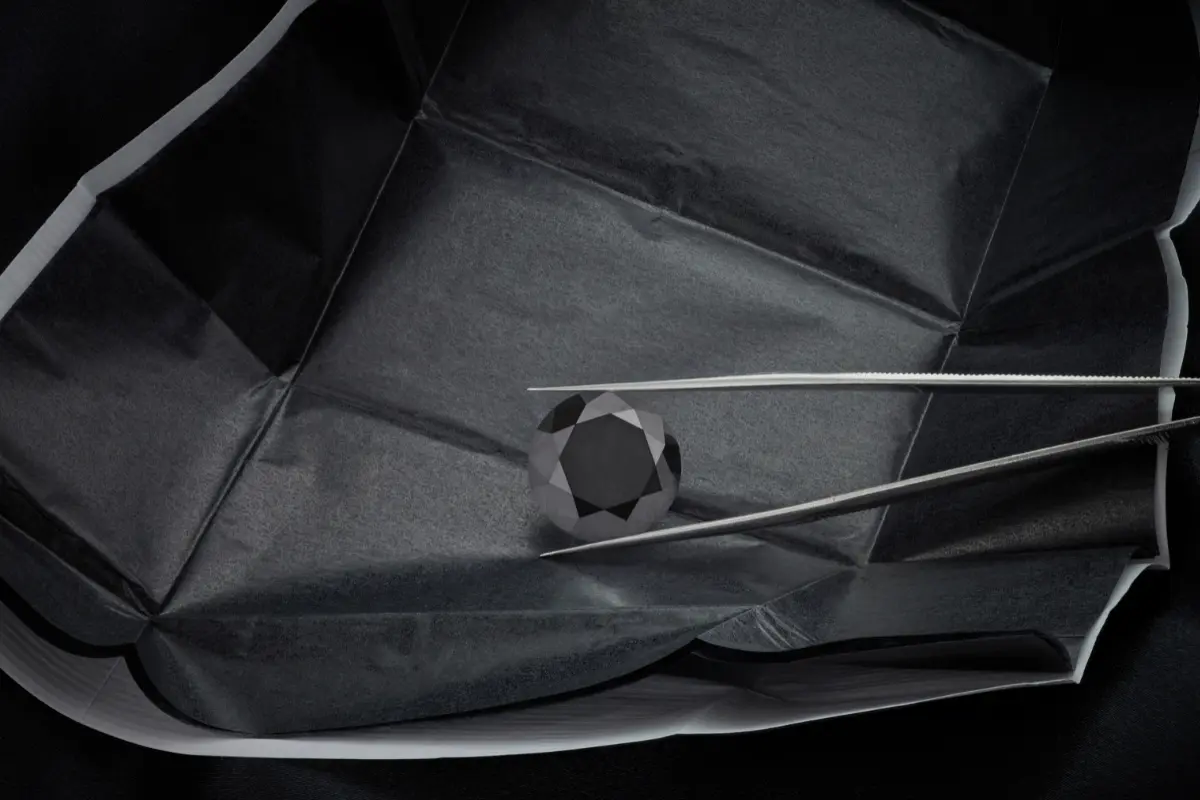
Black diamonds have quietly yet decisively moved into the spotlight over the past decades. Once considered a curiosity, they are now among the most distinctive elements of contemporary fine jewelry. Their appeal is not rooted in traditional brilliance, but in depth and presence, an understated yet powerful aesthetic that sets them apart.
Black diamonds have quietly yet decisively moved into the spotlight over the past decades. Once considered a curiosity, they are now among the most distinctive elements of contemporary fine jewelry. Their appeal is not rooted in traditional brilliance, but in depth and presence, an understated yet powerful aesthetic that sets them apart.
Choosing a black diamond piece is, in many ways, a statement of taste. It reflects a subtle departure from classical beauty standards while preserving the enduring value and refined longevity associated with precious materials.
What is a black diamond? Is it a real diamond?
A black diamond is, in every respect, a genuine diamond. It is composed of pure carbon and shares the same crystal structure as its colorless counterparts. With a hardness of 10 on the Mohs scale, it is exceptionally durable and well suited for everyday wear.
The difference lies primarily in its internal structure. Black diamonds contain a high concentration of microscopic inclusions that absorb light to a significant degree. As a result, instead of interacting with light in the transparent, refractive way typical of classic diamonds, they display a uniform, deep-toned surface, often with a subtle metallic luster. This optical characteristic gives black diamonds their unmistakable identity, clearly distinguishing them from traditional brilliant-cut colorless stones.
How do black diamonds get their color?
The color of a natural black diamond is not the result of a single coloring element, but rather the combined effect of numerous inclusions distributed throughout the crystal. Graphite and other mineral components, along with darkened internal fractures, create the rich, even black tone associated with the finest stones. These diamonds typically do not transmit light, which further enhances their dense, intense appearance.
At the same time, a significant portion of black diamonds available on the market are treated. These usually originate as heavily included gray or brown diamonds, which are transformed through high-temperature treatment or irradiation to achieve a consistent dark color. While their visual appearance can be very similar to natural stones, their value may differ considerably, making it essential from a professional standpoint to clearly identify and document the origin of the color.
How are black diamonds graded?
Black diamonds are evaluated differently from colorless diamonds. Because these stones generally do not transmit light, traditional clarity grading does not apply in the same way. In fact, the inclusions are not considered flaws in this context, they are fundamental to the stone’s color and therefore to its character.
Color quality becomes the primary factor in determining value. A deep, even black tone is the most desirable, particularly when no secondary hues are visible. The role of the cut also differs: rather than maximizing brilliance and fire, the goal is to achieve a smooth, polished surface that enhances the stone’s dark, uniform appearance. In this context, carat weight is less decisive and overall visual harmony becomes the key consideration.
How rare are black diamonds?
Natural black diamonds are relatively rare, as their formation requires an unusually high concentration and specific distribution of inclusions. These geological conditions are uncommon, which limits the availability of high-quality stones with a natural black color.
However, the market offers a wider selection than this rarity alone would suggest, largely due to the presence of treated black diamonds. This creates a unique dynamic: while truly rare, collector-grade stones exist, black diamond jewelry is also available in more accessible price ranges without compromising its distinctive visual appeal.
Black diamond rings and other jewelry
Black diamonds are particularly striking in ring designs. A black diamond ring offers a clean, confident aesthetic that stands apart from traditional engagement rings. Set in white gold or platinum, the stone creates a strong, modern contrast, while yellow gold lends a warmer, more classic character.
Black diamond earrings are an equally refined choice, maintaining visual impact even in smaller sizes. Their deep tone gives structure and definition to the design, making them suitable for both understated daily wear and more formal occasions. The combination of black and colorless diamonds is especially compelling, creating a sophisticated contrast that has become a recurring motif in contemporary jewelry design.
The meaning and symbolism of black diamonds
The symbolism of black diamonds differs from that of traditional colorless stones. While white diamonds are often associated with purity and eternity, black diamonds tend to represent strength, individuality and inner resilience. This meaning is closely tied to the extraordinary conditions under which they form.
In modern jewelry culture, black diamonds are often chosen as an expression of personal style. Rather than following convention, they reflect a deliberate preference for understated elegance and a more distinctive visual identity.
What to consider when buying a black diamond
One of the most important aspects when choosing a black diamond is the origin of its color. A certificate from a reputable, independent laboratory provides clear confirmation of whether the stone is natural or treated, which has a direct impact on its value. At the same time, the uniformity and depth of color remain the primary aesthetic considerations.
The quality of the cut and the setting are equally important. Due to their internal structure, black diamonds can be more sensitive to certain types of mechanical stress, making a secure and well-designed setting essential. When carefully selected, a black diamond piece offers not only visual distinction but also long-term reliability.
Black diamonds in contemporary jewelry culture
Black diamonds occupy a distinctive place in the world of gemstones. They are not an alternative to traditional brilliance, but a direction of their own, one that emphasizes depth, restraint, and character. This duality is precisely what makes them so compelling: elegant yet assertive, modern yet enduring.
Choosing a black diamond ring or black diamond earrings is therefore more than an aesthetic decision. It reflects an appreciation for subtle detail and individual expression, while retaining the durability and real value that define fine diamond jewelry.
(Image: Shutterstock 2197616969)
APPOINTMENT BOOKING
Reserve your preferred time slot to enjoy a personalized and unforgettable jewelry design experience. Our experts will focus exclusively on you, ensuring every detail is perfect and every moment feels special.
Booking online: https://www.monis.hu/en/appointment-booking
Booking by phone: +36 70 427 0053

Located just a few steps from St. Stephen’s Basilica, Moni’s Diamond jewelry store welcomes those who are not simply looking for jewelry, but for meaning, emotion, and timeless value.

In our previous article, we explored in detail what diamond clarity truly means and why pursuing a “perfect” grading does not necessarily lead to the most beautiful result. When the choice moves toward a specific diamond engagement ring, however, the next step becomes unavoidable: understanding the international grading systems used to officially assess diamond clarity.

Diamond color is one of the defining elements of the 4Cs and has a direct impact on pricing. Diamonds in the D–F range are classified as colorless and are rarer, which places them in a higher price bracket. As one moves down the scale and a subtle yellow tint becomes present in the stone, prices generally decrease gradually.

With the help of Moni’s Diamond jewelry experts, this guide explains what a "brill stone" actually is — and why the brilliant cut remains the most valuable and iconic of all diamond cuts. It walks you through the key steps of choosing a brilliant-cut diamond ring, from understanding the fundamentals to selecting the right style and certification. You’ll also find practical tips for evaluating quality, balancing carat and cut, and ensuring long-term care.
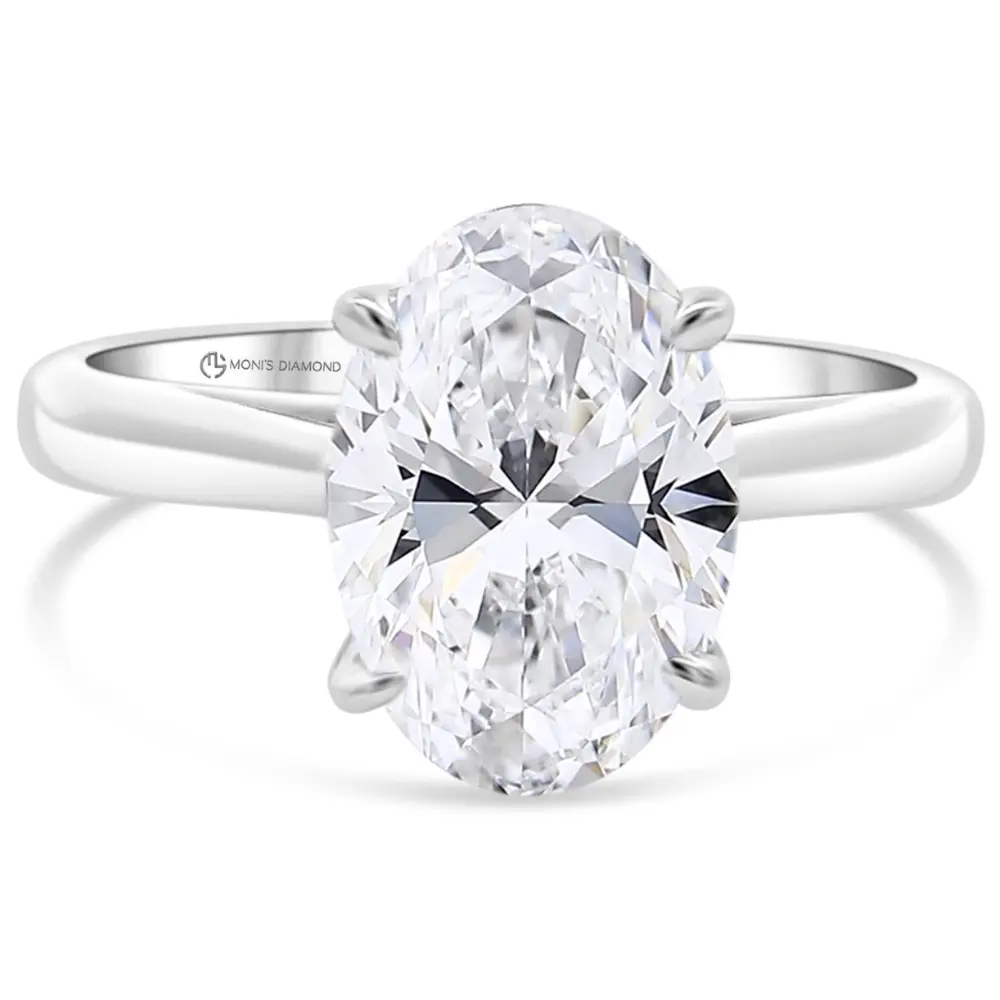
The oval cut diamond is one of the most sought-after shapes, blending the brilliant sparkle of a classic round diamond with a gracefully elongated silhouette. No wonder oval diamond engagement rings have become a favorite among brides worldwide — they flatter the hand by creating the illusion of longer, slender fingers, all while offering dazzling brilliance with every movement.
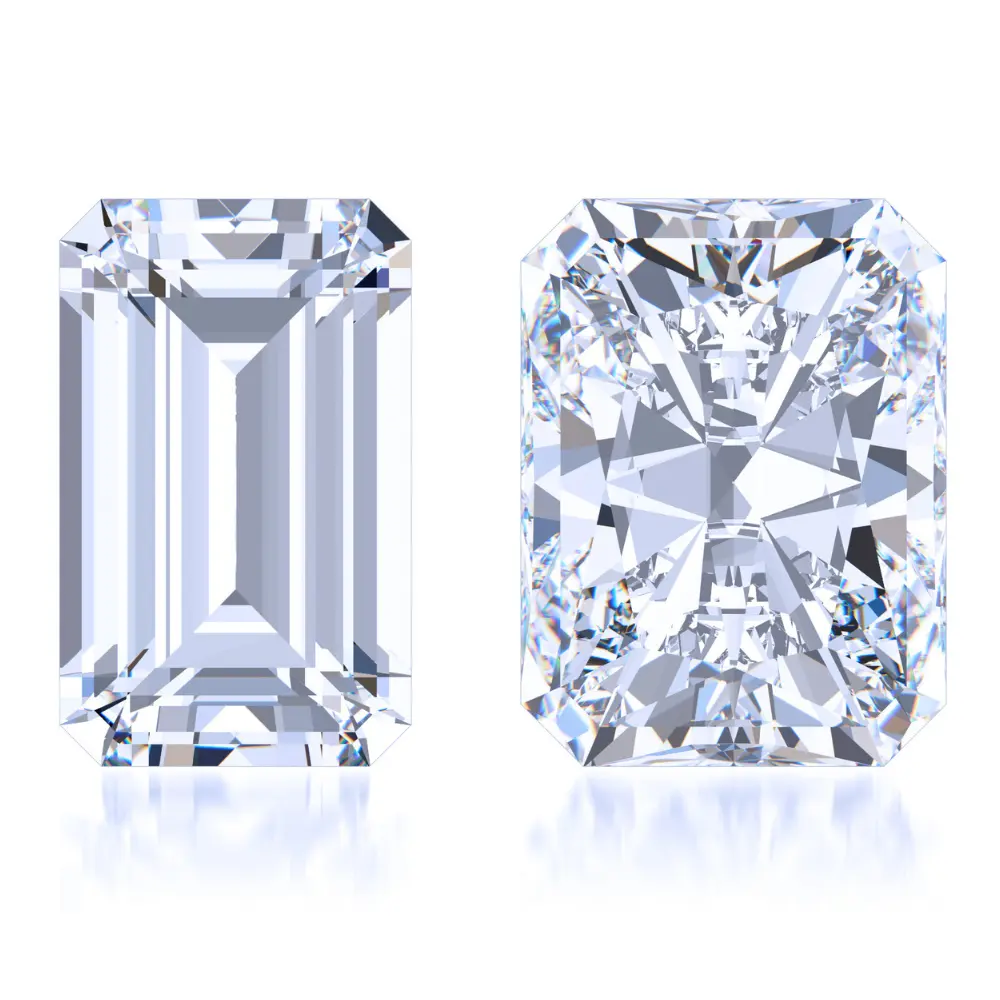
When choosing a diamond engagement ring, the diamond cut is far more than a question of shape. The cutting style determines how light travels through the stone, defines its character, and ultimately shapes the impression the ring conveys when worn. At first glance, emerald and radiant cuts may appear similar — both feature a rectangular outline with clean, refined lines — yet they create distinctly different visual experiences.