


Magazine
Do wedding rings have to match?

Bespoke wedding ring design, then, does not necessarily mean creating two identical pieces. The more interesting question is how two rings, each designed to work beautifully in its own right, can share enough in common to form a pair.
Traditionally, a pair of wedding rings meant two matching bands, with perhaps a difference in width and, of course, size. Today, there is far more freedom. Two wedding rings do not need to look identical to feel as though they belong together.
There is a practical reason for this, too. Two people rarely have the same hand proportions, personal style or preferences when it comes to jewellery. A fine, understated band that looks perfectly balanced on one hand may feel too narrow on another, while a more substantial ring will suit some people better than others. And unlike many other pieces of jewellery, a wedding ring is typically worn every day, for decades.
Bespoke wedding ring design, then, does not necessarily mean creating two identical pieces. The more interesting question is how two rings, each designed to work beautifully in its own right, can share enough in common to form a pair.
What makes two different wedding rings work together?
Harmony does not depend on every detail being the same. Often, one shared element is enough.
The rings might have the same profile but different widths, or be made from the same precious metal with contrasting finishes. One may be completely plain while the other is set with diamonds, with their proportions and underlying shape providing the connection. The reverse can work equally well: even when different metals are chosen, a shared profile, finish or subtle design detail can tie the two rings together.
In fact, differences in proportion can often make the pair more successful. A delicate 2–2.5 mm band and a more substantial 4–5 mm ring will naturally have different characters, but the same cross-section and finish can make the relationship between them immediately apparent. Each ring can then be proportioned to the hand of its wearer without losing the visual connection between the two.
Profile plays an important role here. Whether the outer surface is domed, flatter or gently rounded affects the character of the ring and can provide a common thread even when the widths or decorative details differ. The shape of the inside of the band also affects comfort, an important consideration for a piece of jewellery intended to be worn every day.
Do they need to be the same metal?
Not necessarily. The classic approach is, of course, to make both wedding rings in the same precious metal: yellow gold with yellow gold, platinum with platinum, white gold with white gold. This creates an immediate visual connection while leaving plenty of room to vary other details.
But different metal colours can work together just as well. If one person has always preferred yellow gold while the other only feels comfortable wearing a white metal, there is no aesthetic or practical reason for either to compromise simply so that the rings match.
Other details can provide the connection instead: the same profile, similar proportions, a polished or brushed finish, or a subtle design element repeated across both rings. Two wedding bands in different metal colours can still unmistakably belong together.
A two-tone design offers another possibility. Both metal colours can appear in each ring, but in different proportions. Yellow gold might dominate one, for example, while white gold is more prominent in the other. The relationship remains clear, while each ring retains its own character.
What if only one ring has diamonds?
This is one of the most common differences within a pair of wedding rings. One person may prefer a classic plain band, while the other wants diamonds. There is no reason the two should feel unrelated.
There is considerable freedom in both the number and placement of the stones. A ring might feature a single small diamond, a row of several stones or a setting that extends across much of the band. In this case, the underlying design becomes particularly important. If the profile, metal and proportions are related, the diamond-set ring can simply become a different interpretation of the same design.
When diamonds are part of a wedding band, however, it is important to consider how the ring will wear over time. The setting style, the thickness of the band and how far the diamonds extend around it are not purely aesthetic decisions. They can affect comfort, durability and how easily the ring can be resized in the future.
There is another consideration when the wedding band will be worn alongside an engagement ring. The profiles and heights of the two rings, and the way they sit against each other, are best considered together. A wedding band that looks beautiful on its own may not necessarily sit as well next to a particular engagement ring.
The most personal detail may be the least visible
Not every shared detail needs to be visible from the outside. Some of the most personal elements of a bespoke wedding ring are those known only to the couple.
The inside of both rings might carry the same engraving, a date, initials or a short personal message. Two different phrases can form a pair if their meaning becomes complete only when read together. A small gemstone, a shared symbol or another detail with significance only to the couple can also be incorporated discreetly inside the bands.
This can work particularly well when the two rings look very different from the outside. Their connection does not have to be immediately visible. Each ring can reflect the individual style of its wearer while sharing something personal with the other.
Two different wedding rings, designed as a pair
One of the advantages of bespoke wedding ring design is that there is no need to begin with a ready-made model. Each ring can be designed individually while the two are considered together throughout the process.
At Moni’s Diamond jewelry stores, we do not begin with the assumption that wedding rings have to match. Profile, width, precious metal, finish and diamond setting can all be tailored independently. The rings may be almost identical, subtly different or deliberately distinct, depending on what feels right for each wearer.
Wedding rings do not need to be the same to belong together. A well-designed pair can be connected through proportion, material or a detail that may be barely noticeable to anyone else. Each ring remains personal to the person wearing it, while together they still unmistakably form a pair.
(Image: Moni's Diamond)
APPOINTMENT BOOKING
Reserve your preferred time slot to enjoy a personalized and unforgettable jewelry design experience. Our experts will focus exclusively on you, ensuring every detail is perfect and every moment feels special.
Booking online: https://www.monis.hu/en/appointment-booking
Booking by phone: +36 70 427 0053
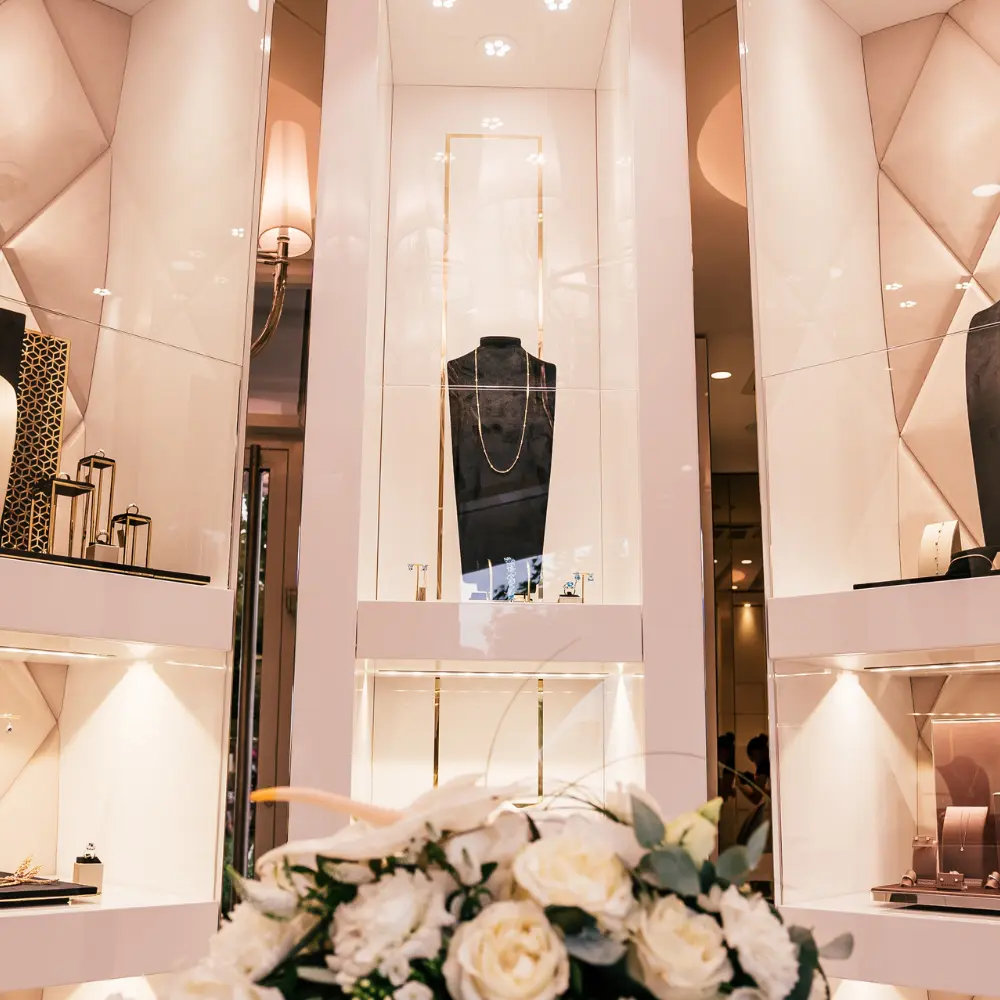
Balatonfüred is more than just a destination – it’s a promise. A place where culture, nature, and refined style come together in perfect harmony along the shores of Lake Balaton. And nestled like a jewel along the iconic Tagore Promenade, you’ll find Moni’s Diamond Boutique – a fine jewelry store that offers far more than just shopping. It is a space where timeless luxury, personal care, and enduring value take center stage.

Located just a few steps from St. Stephen’s Basilica, Moni’s Diamond jewelry store welcomes those who are not simply looking for jewelry, but for meaning, emotion, and timeless value.
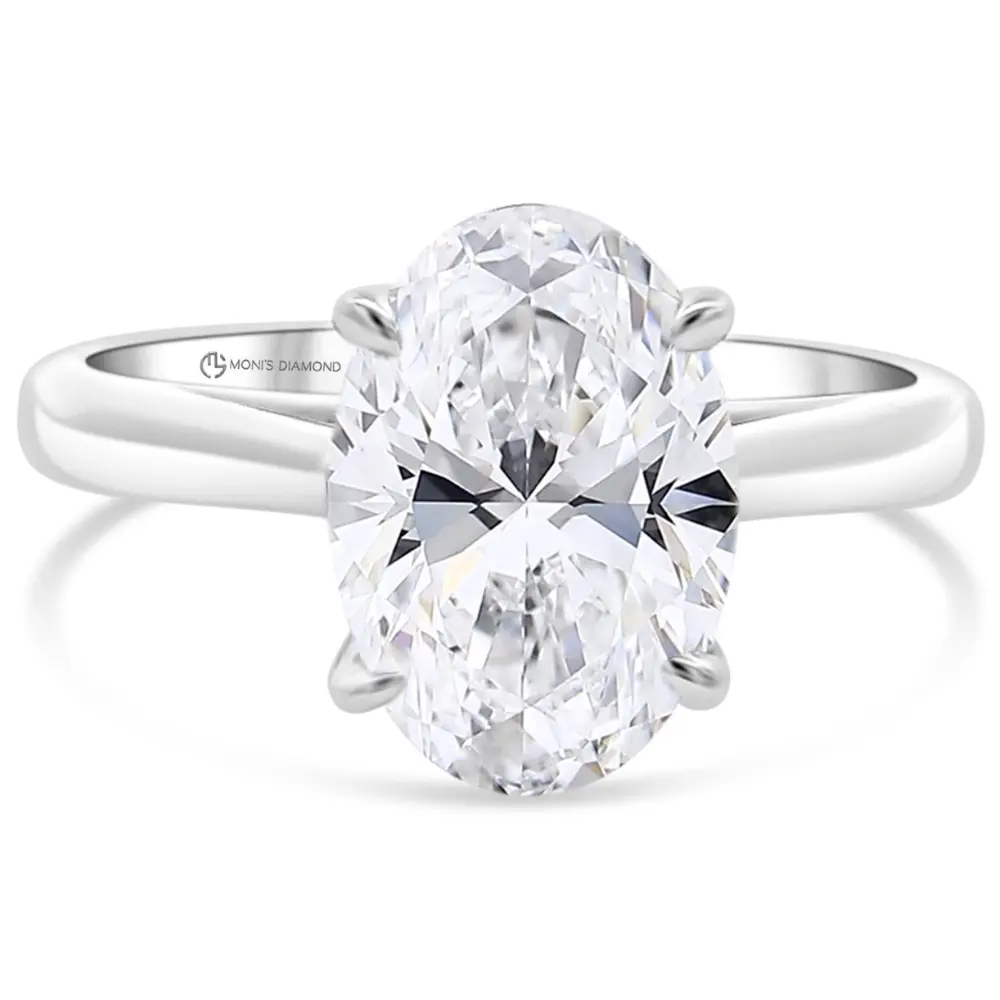
The oval cut diamond is one of the most sought-after shapes, blending the brilliant sparkle of a classic round diamond with a gracefully elongated silhouette. No wonder oval diamond engagement rings have become a favorite among brides worldwide — they flatter the hand by creating the illusion of longer, slender fingers, all while offering dazzling brilliance with every movement.

In our previous article, we explored in detail what diamond clarity truly means and why pursuing a “perfect” grading does not necessarily lead to the most beautiful result. When the choice moves toward a specific diamond engagement ring, however, the next step becomes unavoidable: understanding the international grading systems used to officially assess diamond clarity.

Diamond color is one of the defining elements of the 4Cs and has a direct impact on pricing. Diamonds in the D–F range are classified as colorless and are rarer, which places them in a higher price bracket. As one moves down the scale and a subtle yellow tint becomes present in the stone, prices generally decrease gradually.
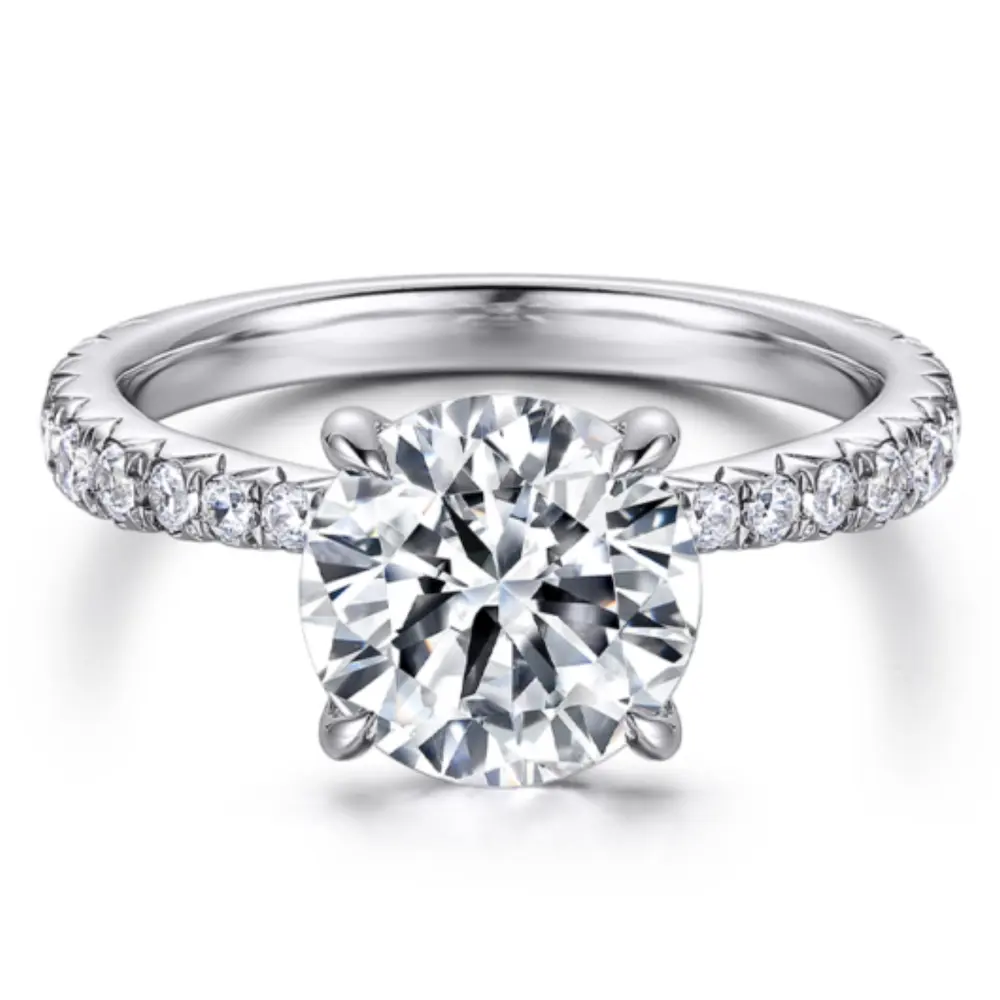
A diamond engagement ring is more than a gift: it’s a promise, a story, and a lifelong keepsake. When a diamond catches the light, it’s not only the stone that sparkles — it’s the emotion it carries. But how do you find the ring that truly stands the test of time? This guide answers every key question.

With the help of Moni’s Diamond jewelry experts, this guide explains what a "brill stone" actually is — and why the brilliant cut remains the most valuable and iconic of all diamond cuts. It walks you through the key steps of choosing a brilliant-cut diamond ring, from understanding the fundamentals to selecting the right style and certification. You’ll also find practical tips for evaluating quality, balancing carat and cut, and ensuring long-term care.
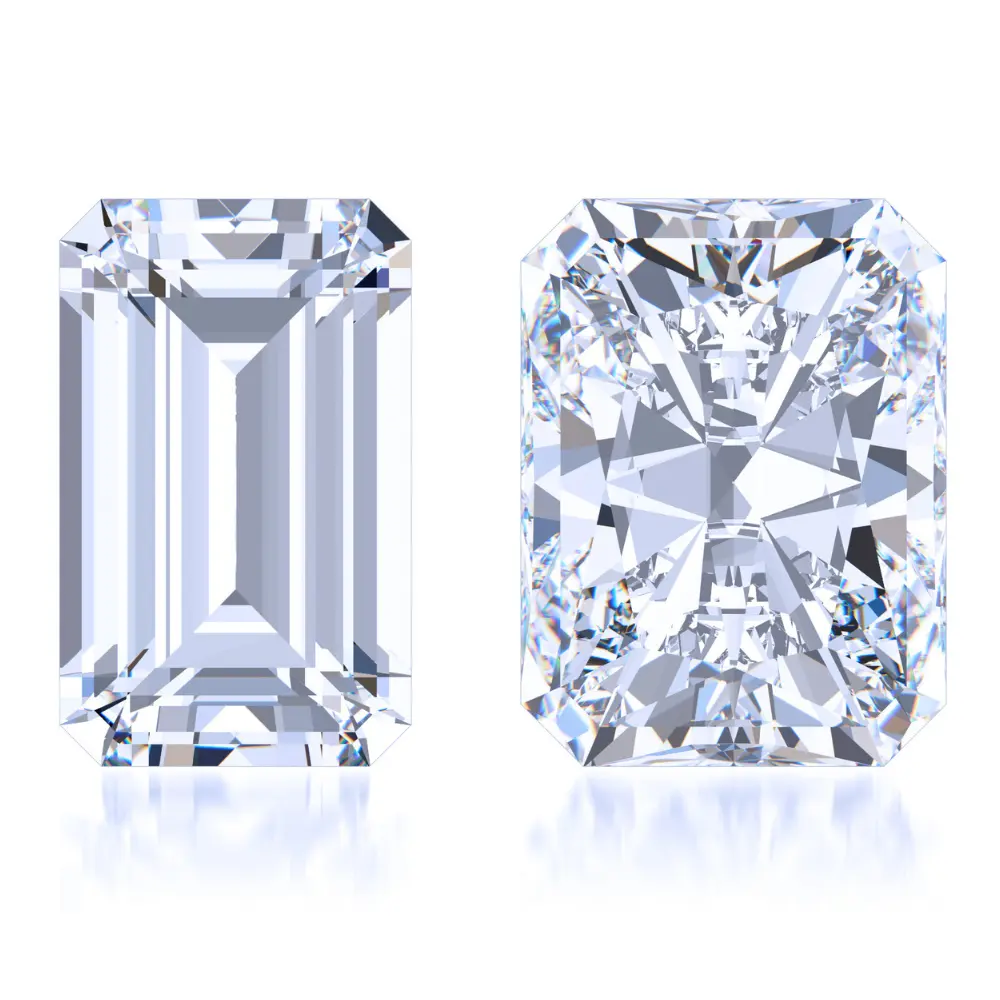
When choosing a diamond engagement ring, the diamond cut is far more than a question of shape. The cutting style determines how light travels through the stone, defines its character, and ultimately shapes the impression the ring conveys when worn. At first glance, emerald and radiant cuts may appear similar — both feature a rectangular outline with clean, refined lines — yet they create distinctly different visual experiences.