


Magazine
9, 14 or 18 carat gold jewellery?
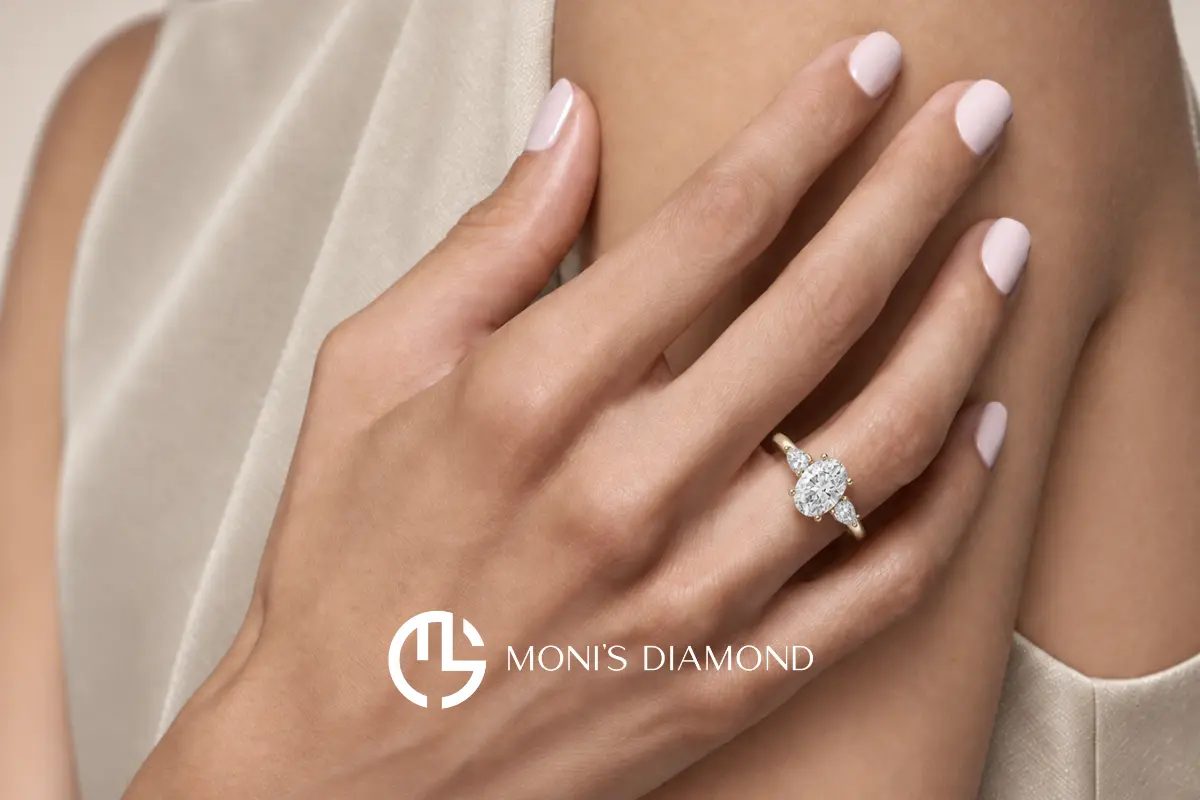
Design and colour are often the first things we notice when choosing gold jewellery. White, yellow and rose gold give the same design quite different appearances, but colour alone does not tell us how much gold a piece contains. That is indicated by its carat rating.
Design and colour are often the first things we notice when choosing gold jewellery. White, yellow and rose gold give the same design quite different appearances, but colour alone does not tell us how much gold a piece contains. That is indicated by its carat rating.
The main difference between 9, 14 and 18 carat gold is their gold content. The other metals in the alloy also influence colour and how the jewellery withstands wear. Gold purity, shade and construction all deserve consideration when choosing a piece.
What does the carat rating of gold mean?
Pure gold is naturally yellow and relatively soft. For jewellery, it is therefore alloyed with other metals to alter its colour and mechanical properties.
For gold, carat indicates the proportion of gold in the alloy. It does not refer to the weight of the jewellery and should not be confused with the carat used to measure gemstone weight.
18 carat gold contains 75% gold and is marked 750. The most widely used 14 carat alloy contains 58.5% gold and carries the fineness mark 585. In 9 carat gold, the gold content is 37.5%, indicated by the mark 375. In each case, the remainder consists of other alloying metals.
How do 9, 14 and 18 carat gold differ?
Of the three, 18 carat gold has the highest gold content. Alloying metals make up a greater proportion of 14 carat gold and the majority of a 9 carat alloy. All three are gold alloys. In jewellery made from these materials, gold is present throughout the alloy, in gold-plated jewellery, a thin layer of gold covers a different underlying material.
At the same weight, an 18 carat piece contains more gold than one made in 14 or 9 carat gold. This affects its material value. The price of the finished piece also reflects its design, craftsmanship and any gemstones it contains.
Carat rating should therefore not be treated as a measure of the jewellery’s overall quality. A high gold content matters, but so do precise stone setting, appropriate metal thickness and careful finishing.
What determines the durability of gold jewellery?
Carat rating describes gold content, but does not determine durability on its own. The alloy’s composition and the way it is worked during manufacture influence both its hardness and its response to mechanical stress.
Hardness and durability are different properties. Hardness describes resistance to local indentation, it does not, by itself, establish how well a finished ring will resist bending, impacts or prolonged wear. Other properties of the alloy, together with the jewellery’s construction, must be also considered.
In a diamond engagement ring, for example, the thickness and profile of the band, the dimensions of the claws and the precision of the workmanship all matter. With a suitable alloy and well-designed construction, 18 carat gold is an excellent material for jewellery worn every day. Careful wear and regular inspections, particularly of gemstone settings, help preserve the piece over time.
Do white, yellow and rose gold have different gold contents?
Colour and purity are separate characteristics. 18 carat white, yellow and rose gold all contain 75% gold. Their different colours come from the composition of the remaining 25%.
Silver and copper are common alloying metals in yellow gold. Copper plays a key role in producing rose gold’s colour. White gold uses an alloy composition that reduces gold’s natural yellow tone, for example through the addition of palladium.
These three names do not describe three fixed shades. Two yellow gold pieces of the same carat rating can differ in colour, while rose gold can range from a delicate pink to a stronger reddish tone. The underlying shade of white gold also depends on its alloy composition.
How does each gold colour affect a piece’s appearance?
Yellow gold retains gold’s characteristic colour. Depending on the alloy, its shade can be paler or richer, cooler or warmer. In a diamond ring, it creates a more distinct contrast between the metal and the stone, which can make the outlines of the band and setting more noticeable.
White gold offers a subtler contrast with a colourless diamond. It is often rhodium plated to give the surface a brighter, whiter finish, although not every white gold alloy requires plating. Rhodium forms a thin surface layer rather than part of the alloy itself. As this layer gradually wears away, the white gold’s underlying colour may become visible, sometimes appearing warmer or greyer. Replating can restore the original finish, how often it is needed depends on the piece and how it is worn.
Rose gold owes its pink or reddish tone to its copper content. A soft pink and a deeper reddish shade create different impressions, so it is worth seeing the jewellery itself rather than choosing by the colour name alone.
Polished, matt and textured finishes also affect the appearance of all three gold colours. The same shade may look brighter when polished and more subdued with a matt finish.
How can different gold colours be combined in a diamond ring?
Two-tone jewellery combines two gold colours within one design. The differently coloured sections can still have the same gold content, both may be made from 18 carat gold, for example.
An engagement ring might pair a white gold diamond setting with a yellow or rose gold band. This preserves the warmer colour of the band while placing a lighter metal immediately around the centre stone.
In wedding rings, the colours can appear as separate bands, on the outer and inner surfaces, or in smaller details. Alongside the colour combination, the width of each section and its finish determine whether the result is subtle or more contrasting.
A two-tone design can also give a pair of wedding rings a shared feature while allowing each partner to choose different proportions of the two colours.
Which gold should you choose?
When choosing gold purity, consider gold content alongside the design of the piece and your budget. For colour, personal preference matters, as does how the shade looks against your skin, beside the gemstone and with the jewellery you wear regularly.
At Moni’s Diamond jewelry stores, our selection consists mainly of 18 carat gold jewellery in white, yellow and rose gold. The choice extends beyond three standard colours, with different shades and two-tone options available depending on the design.
Our jewellery and gemstone specialists can guide you through gold purity and colour, as well as the details of the setting, band and finish. Trying on different versions makes it easier to decide which shade or colour combination you prefer on your hand.
(Image: Moni's Diamond)
APPOINTMENT BOOKING
Reserve your preferred time slot to enjoy a personalized and unforgettable jewelry design experience. Our experts will focus exclusively on you, ensuring every detail is perfect and every moment feels special.
Booking online: https://www.monis.hu/en/appointment-booking
Booking by phone: +36 70 427 0053
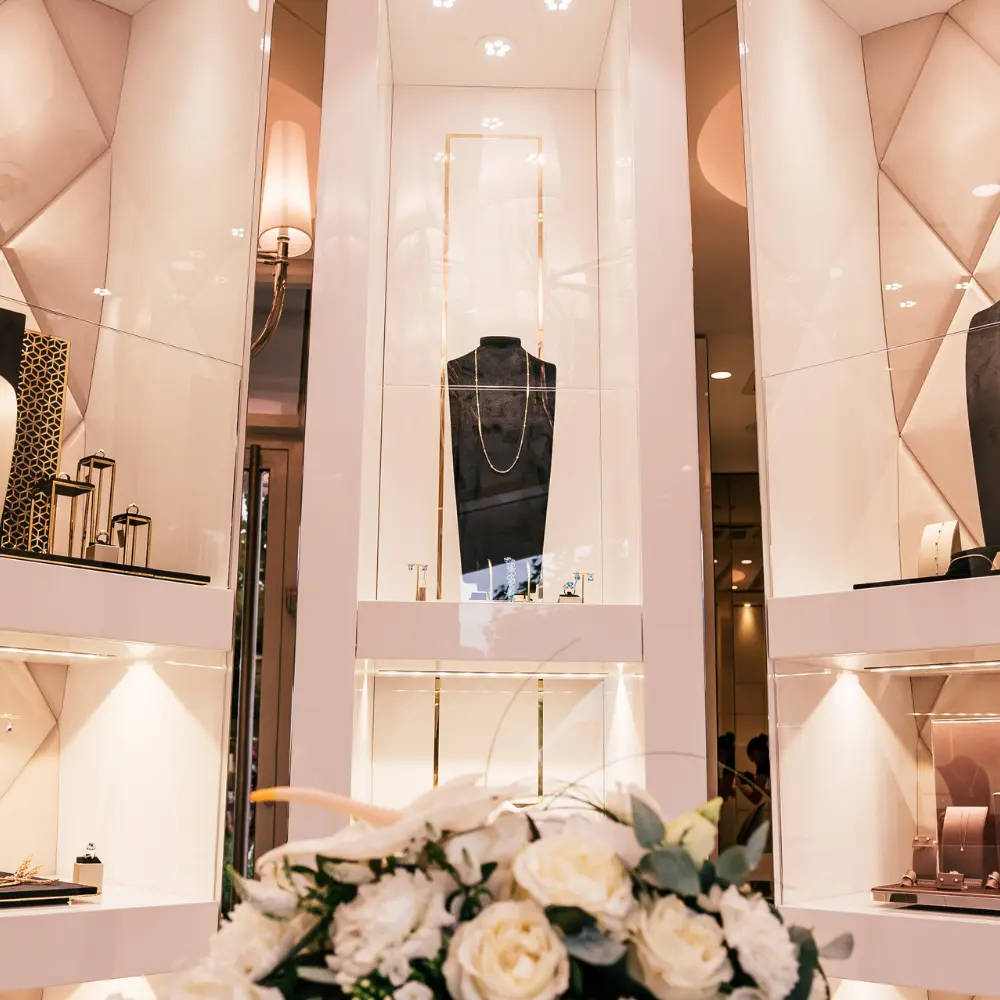
Balatonfüred is more than just a destination – it’s a promise. A place where culture, nature, and refined style come together in perfect harmony along the shores of Lake Balaton. And nestled like a jewel along the iconic Tagore Promenade, you’ll find Moni’s Diamond Boutique – a fine jewelry store that offers far more than just shopping. It is a space where timeless luxury, personal care, and enduring value take center stage.

Located just a few steps from St. Stephen’s Basilica, Moni’s Diamond jewelry store welcomes those who are not simply looking for jewelry, but for meaning, emotion, and timeless value.
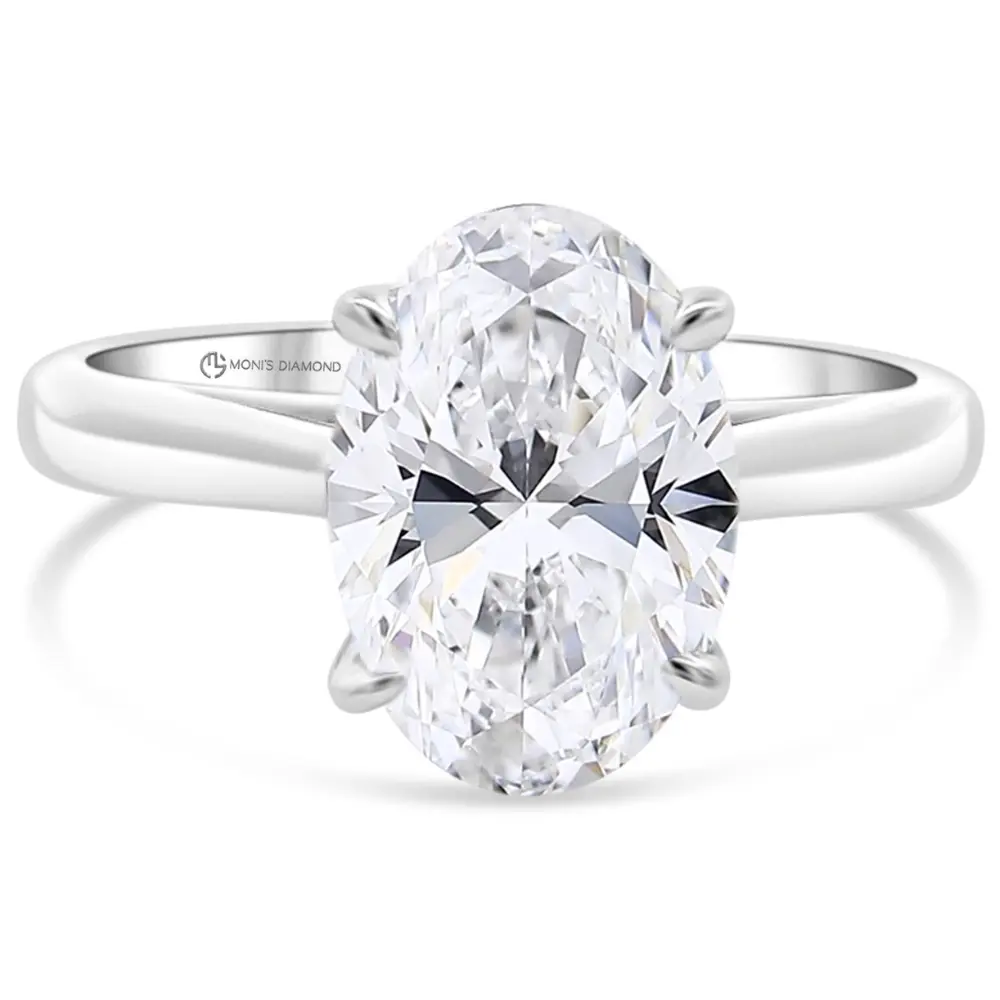
The oval cut diamond is one of the most sought-after shapes, blending the brilliant sparkle of a classic round diamond with a gracefully elongated silhouette. No wonder oval diamond engagement rings have become a favorite among brides worldwide — they flatter the hand by creating the illusion of longer, slender fingers, all while offering dazzling brilliance with every movement.
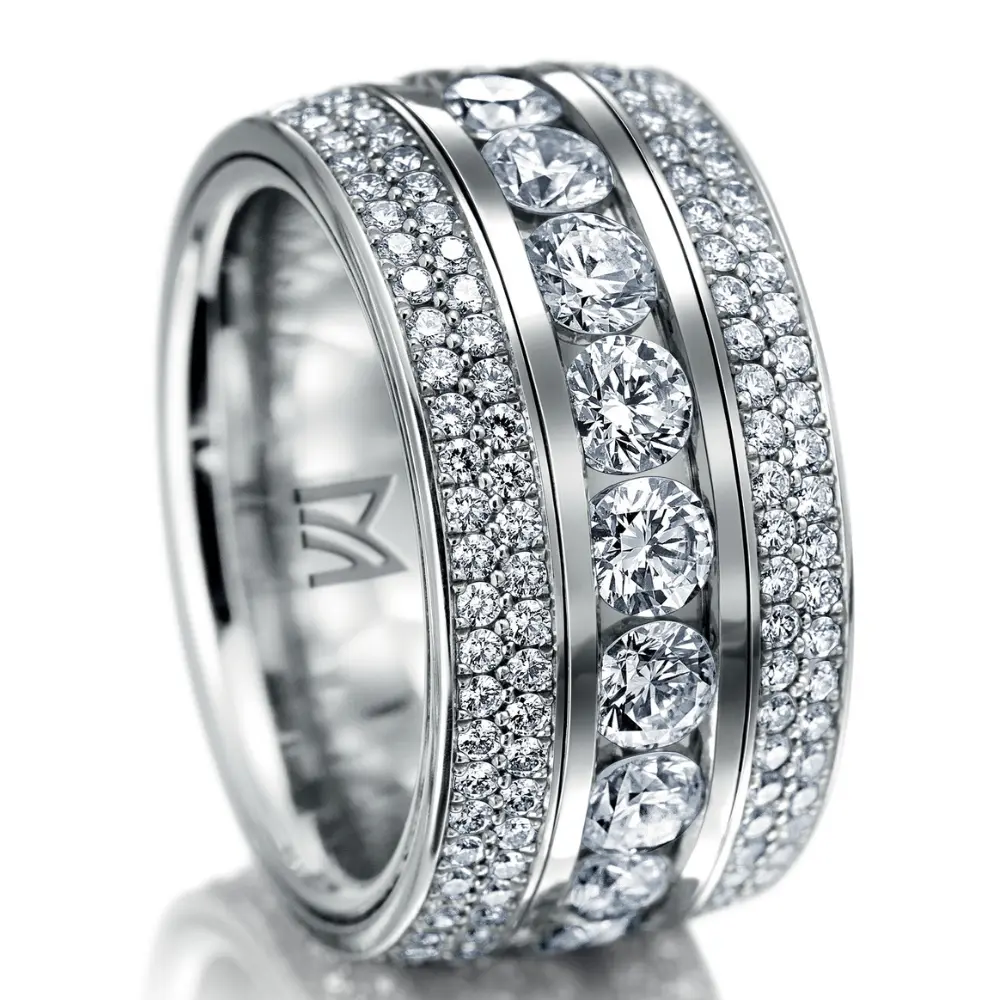
In the world of diamond jewelry, few innovations seamlessly blend masterful craftsmanship with modern design dynamics. The Meister Girello diamond ring is one such rarity—featuring a unique spinning mechanism that brings the brilliance of diamonds to life from every angle.

In our previous article, we explored in detail what diamond clarity truly means and why pursuing a “perfect” grading does not necessarily lead to the most beautiful result. When the choice moves toward a specific diamond engagement ring, however, the next step becomes unavoidable: understanding the international grading systems used to officially assess diamond clarity.
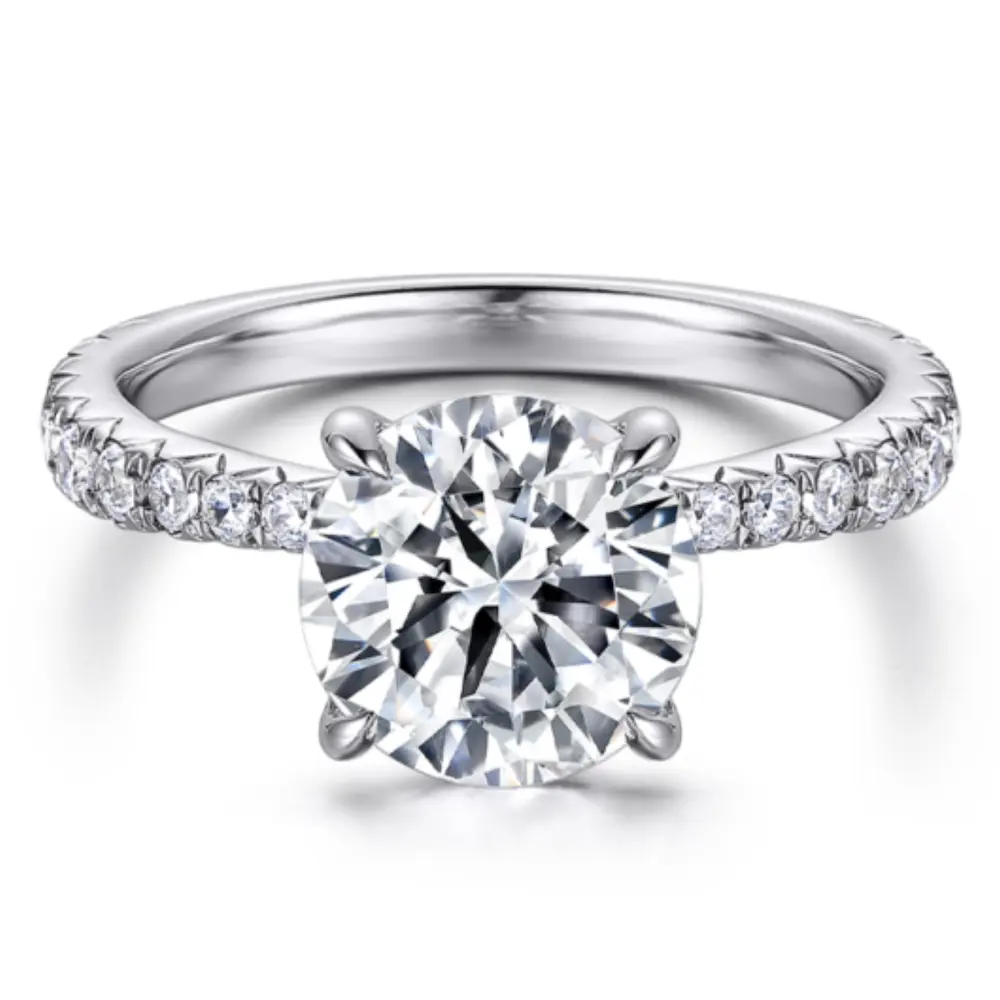
A diamond engagement ring is more than a gift: it’s a promise, a story, and a lifelong keepsake. When a diamond catches the light, it’s not only the stone that sparkles — it’s the emotion it carries. But how do you find the ring that truly stands the test of time? This guide answers every key question.
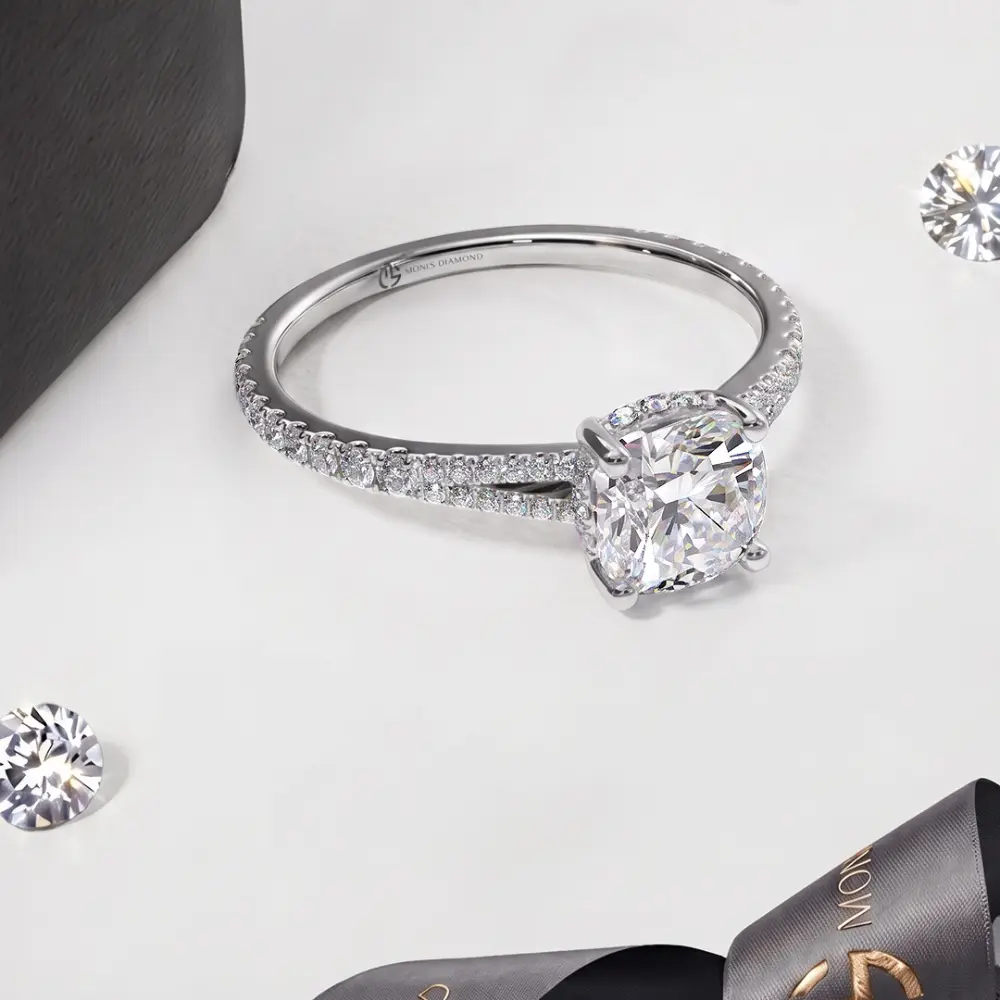
A cushion-cut diamond is instantly recognisable by its square or slightly rectangular shape, rounded corners and softly curved outline. Look a little closer, however, and the picture becomes far more complex. Two cushion-cut diamonds of the same carat weight can differ considerably in their proportions, light performance and overall character.
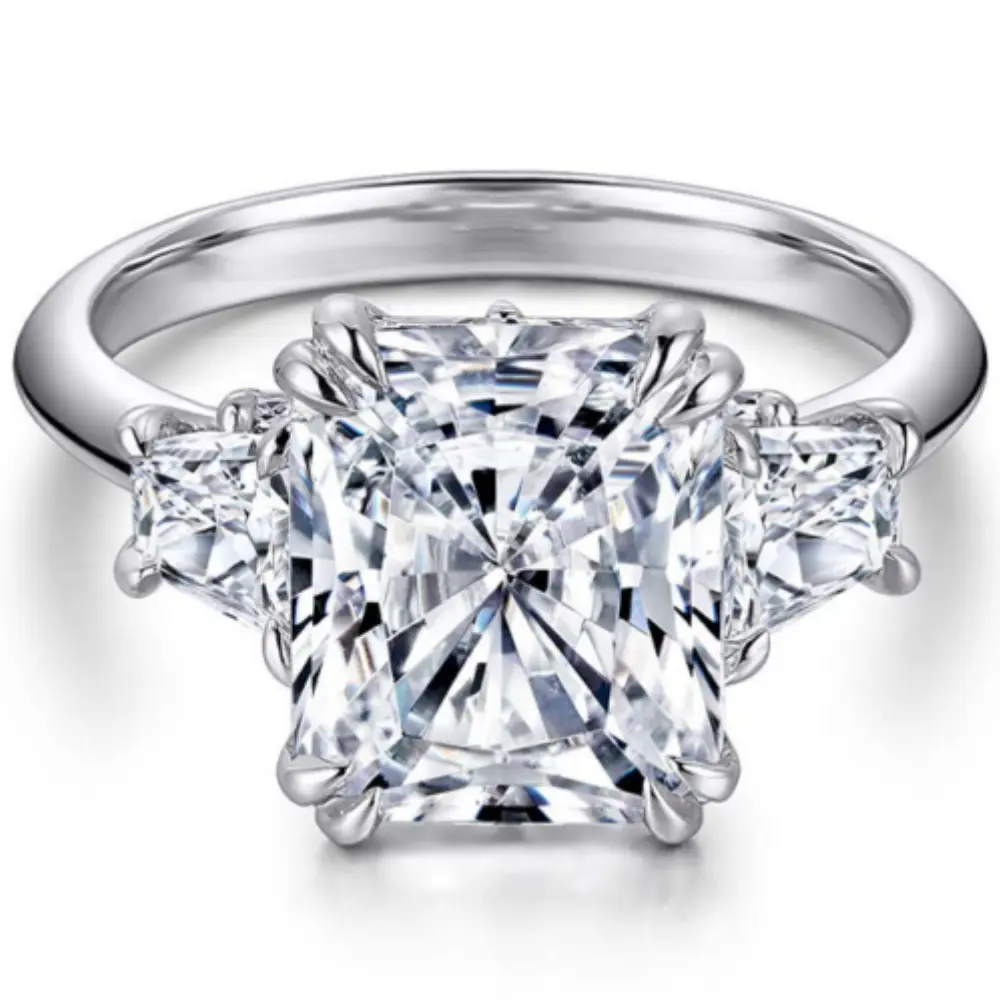
A diamond engagement ring is no longer just a classic piece of jewellery, it is a reflection of a personal story. In the world of luxury, a clear shift is taking place: instead of mass-produced designs, the focus is moving toward bespoke creations, designed specifically for the individual.