


Magazine
Why are white gold engagement rings rhodium plated?
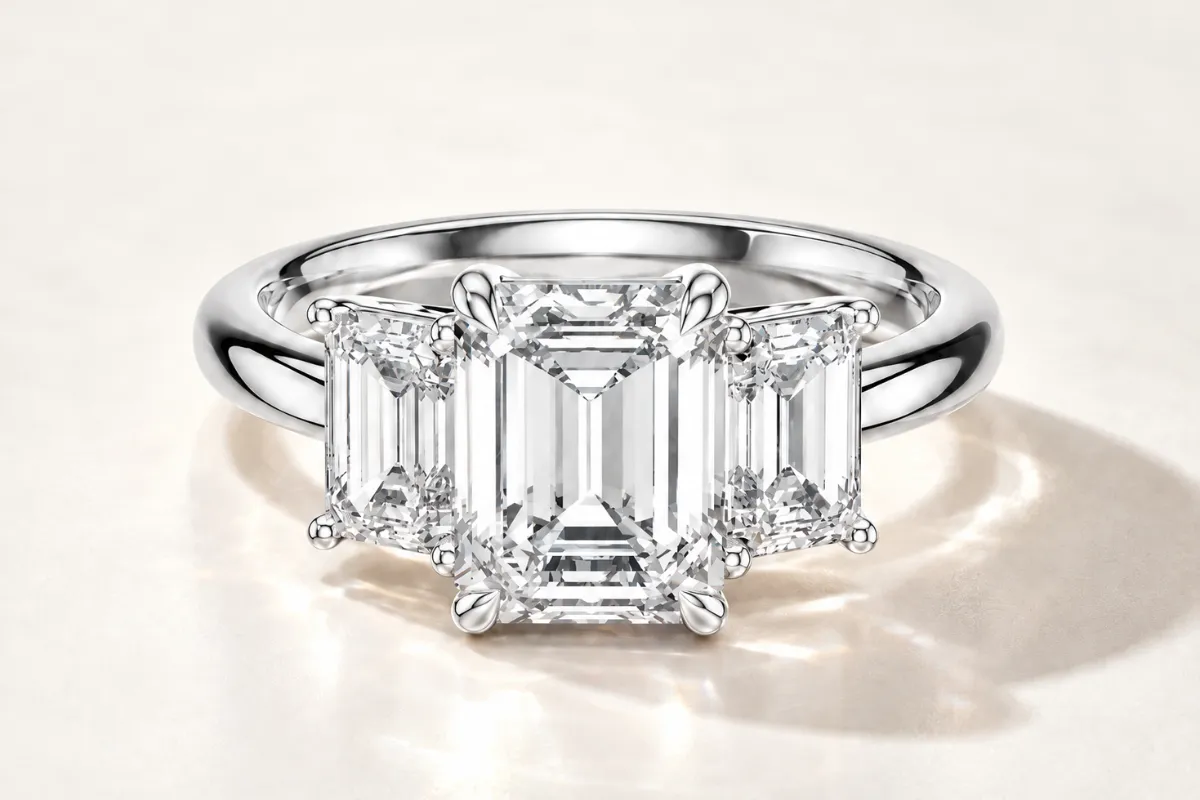
A white gold engagement ring gets its pale colour from the metals alloyed with gold. A thin layer of rhodium is usually applied to give the surface a brighter, whiter finish. This coating gradually wears with use, sometimes revealing the alloy’s slightly warmer or greyer shade beneath. This is a normal consequence of wear and does not, in itself, indicate a fault or poor quality.
A white gold engagement ring gets its pale colour from the metals alloyed with gold. A thin layer of rhodium is usually applied to give the surface a brighter, whiter finish. This coating gradually wears with use, sometimes revealing the alloy’s slightly warmer or greyer shade beneath. This is a normal consequence of wear and does not, in itself, indicate a fault or poor quality.
Restoring the finish is only one part of regular jewellery care. The setting and stone security of a frequently worn diamond engagement ring also need periodic checks. Professional inspection, cleaning and rhodium replating where necessary all contribute to keeping the ring looking its best and secure to wear.
What is rhodium plating?
Rhodium is a silvery-white precious metal belonging to the platinum group, valued for its high reflectivity. Rhodium plating uses an electrochemical process to deposit a thin layer of the metal onto the jewellery’s surface.
On white gold jewellery, it is used primarily to create an even, white finish. The treatment does not alter the composition or fineness of the underlying alloy, the gold alloy in an 18 carat white gold ring still contains 75% gold. The rhodium forms a separate surface coating.
Why is white gold rhodium plated?
White gold does not have one fixed shade. Naturally yellow gold is alloyed with other metals to produce a paler colour. Depending on the composition, the resulting alloy may appear whiter, greyer or slightly yellowish.
Rhodium covers this underlying shade, giving the surface a brighter, more uniform appearance. Not every white gold alloy requires plating, but it is a common finishing treatment.
A rhodium-plated white gold engagement ring is made from gold alloy throughout, with a thin rhodium coating on its surface. Gold-plated jewellery, by contrast, has a different underlying metal, such as silver or brass, covered with a thin layer of gold.
Why might a white gold ring start to look yellowish?
When parts of a previously whiter surface develop a warmer tone, thinning rhodium plating is a common cause. The white gold’s original colour is beginning to show through.
Wear is usually more noticeable where the ring rubs against other surfaces. The underside of the band, for example, regularly comes into contact with objects as you hold them.
Have any change in appearance assessed by a jewellery professional. Deposits and fine scratches also affect the surface’s lustre, so a ring that looks duller or discoloured does not necessarily need immediate replating.
How often does rhodium plating need renewing?
There is no fixed replating schedule that suits every piece of jewellery. The coating’s thickness and quality, the design of the piece and how it is worn all influence the rate of wear. A white gold engagement ring worn daily faces different demands from an occasional-wear pendant.
An annual inspection therefore does not automatically mean annual replating. A professional can assess whether the piece needs cleaning, refinishing or a fresh rhodium coating.
Does rhodium plating remove scratches?
Rhodium plating and polishing are separate processes. The thin coating does not remove scratches, repair dents or correct distortion.
Before plating, the surface must be carefully prepared. This includes cleaning and degreasing, with refinishing where appropriate. Dirt and polishing residues can prevent the coating from adhering properly.
Polishing removes a small amount of metal, so it should not be carried out automatically at every inspection. Its extent should be guided by the condition and original finish of the piece, with particular care around claws, edges, engraving, and matt or textured surfaces.
Does rhodium plating affect a diamond’s sparkle?
Rhodium plating affects the metal surface, not the diamond’s cut, colour or clarity. If a diamond ring sparkles more brightly after professional care, cleaning also plays an important part. Oils and other deposits on the diamond can dull its light performance, particularly when they collect beneath the stone or in hard-to-reach areas of the setting.
Cleaning removes these deposits, while rhodium plating restores the metal’s bright white finish. The two treatments improve the ring’s appearance in different ways.
Why should a diamond ring be inspected regularly?
Diamond’s exceptional hardness refers primarily to its resistance to scratching. It does not make either the stone or its setting immune to damage.
Daily wear exposes the metal to friction, pressure and impacts. The claws holding a diamond can become thinner or bend, allowing the stone to loosen.
These changes can be difficult to see with the naked eye. A jewellery professional examines the setting and checks stone security under magnification. GIA’s consumer guidance also notes that jewellers typically recommend checking engagement ring claws at least annually.
Do not wait for the next scheduled inspection if your diamond ring receives a hard knock, a claw starts catching on clothing or you notice movement in a stone. Stop wearing the ring until it has been examined.
Why leave cleaning to a professional?
The cleaning method should suit the jewellery’s materials and condition. Alongside the setting, the surface finish, gemstone properties and any treatments must be taken into account.
Ultrasonic cleaning, for example, is not suitable for every piece. Vibration can pose a risk where stones are already loose, and certain gemstones and treatments are sensitive to the process. The jewellery should therefore be inspected before a cleaning method is chosen.
Cleaning hard-to-reach areas and restoring the finish are best entrusted to a professional. Scrubbing, unsuitable cleaning products or using a cleaning machine without first checking the piece can cause damage.
How can you keep your engagement ring in good condition?
Remove your ring before sport, lifting weights or physical work to avoid pressure and impacts on the setting. It should also be taken off before using strong household cleaners or entering a chlorinated pool, as certain chemicals can damage gold alloys.
Store jewellery in separate compartments or soft pouches to prevent pieces from scratching one another. Careful wear and regular professional inspections work together to keep your ring in good condition over the years.
Expert care with Moni’s Care
At Moni’s Diamond jewelry stores, care continues after your purchase. Moni’s Care includes one complimentary professional inspection and care service each year, with rhodium replating where needed.
To maintain this complimentary service, please bring your jewellery back within one year of purchase, and within one year of each subsequent inspection.
Alongside the surface, we examine the condition of the setting and the security of the diamonds. This allows us to identify signs of wear or movement that may not yet be apparent during everyday use.
A diamond engagement ring worn daily deserves regular attention. An annual appointment provides an opportunity to assess its condition, clean it and, where the coating has worn, restore the white gold’s finish.
(Image: Moni's Diamond)
APPOINTMENT BOOKING
Reserve your preferred time slot to enjoy a personalized and unforgettable jewelry design experience. Our experts will focus exclusively on you, ensuring every detail is perfect and every moment feels special.
Booking online: https://www.monis.hu/en/appointment-booking
Booking by phone: +36 70 427 0053
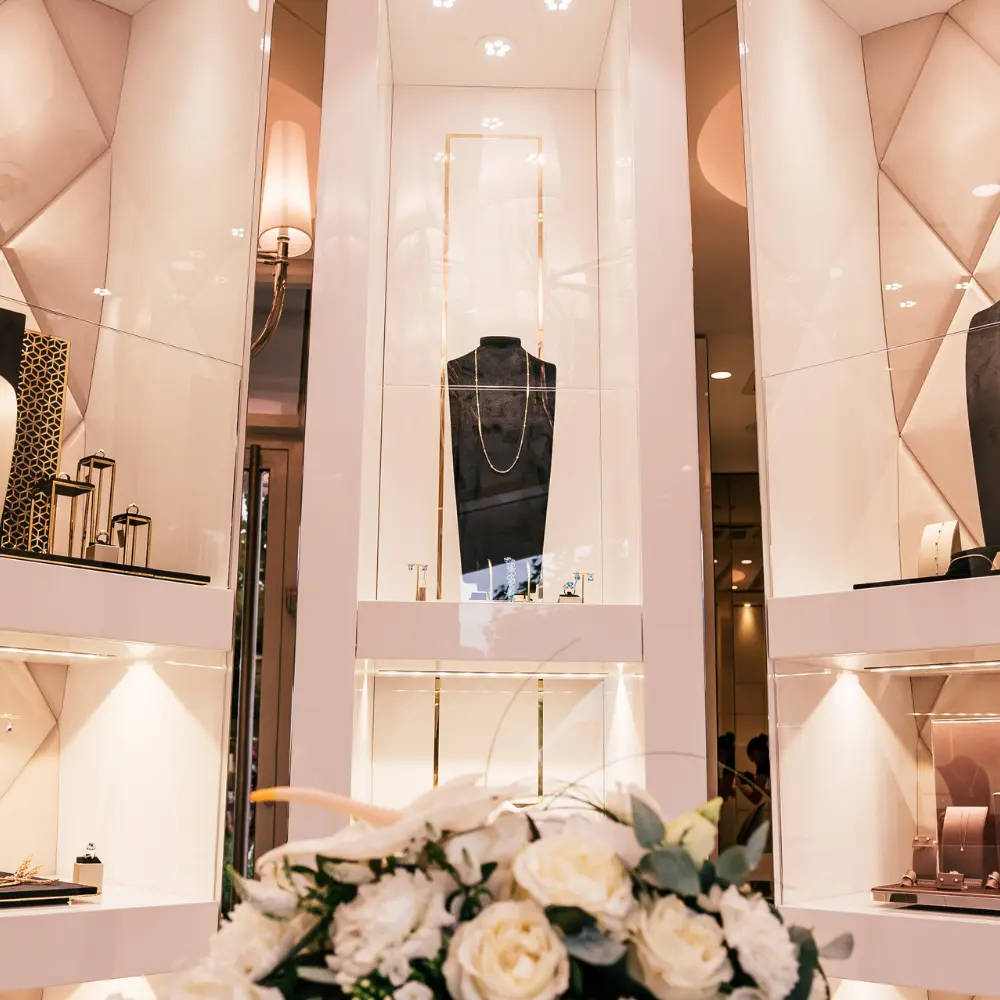
Balatonfüred is more than just a destination – it’s a promise. A place where culture, nature, and refined style come together in perfect harmony along the shores of Lake Balaton. And nestled like a jewel along the iconic Tagore Promenade, you’ll find Moni’s Diamond Boutique – a fine jewelry store that offers far more than just shopping. It is a space where timeless luxury, personal care, and enduring value take center stage.

Located just a few steps from St. Stephen’s Basilica, Moni’s Diamond jewelry store welcomes those who are not simply looking for jewelry, but for meaning, emotion, and timeless value.
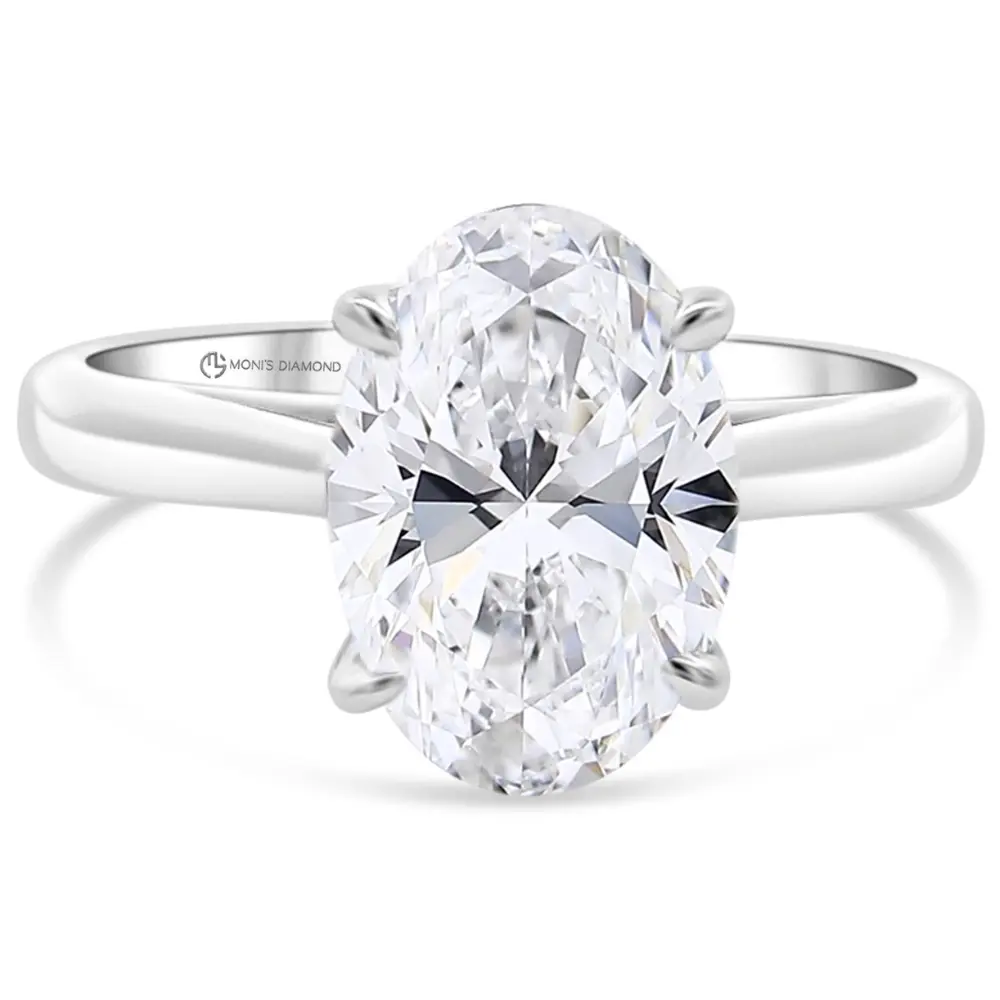
The oval cut diamond is one of the most sought-after shapes, blending the brilliant sparkle of a classic round diamond with a gracefully elongated silhouette. No wonder oval diamond engagement rings have become a favorite among brides worldwide — they flatter the hand by creating the illusion of longer, slender fingers, all while offering dazzling brilliance with every movement.
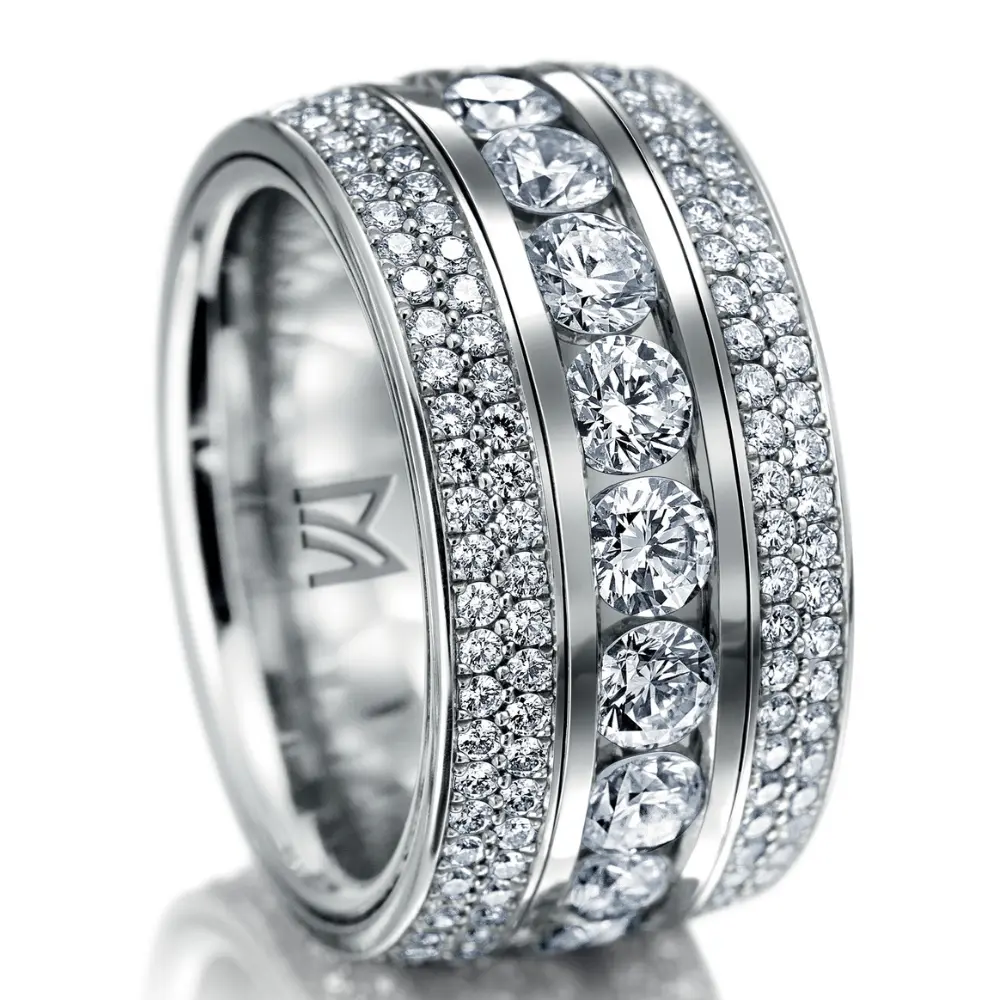
In the world of diamond jewelry, few innovations seamlessly blend masterful craftsmanship with modern design dynamics. The Meister Girello diamond ring is one such rarity—featuring a unique spinning mechanism that brings the brilliance of diamonds to life from every angle.

In our previous article, we explored in detail what diamond clarity truly means and why pursuing a “perfect” grading does not necessarily lead to the most beautiful result. When the choice moves toward a specific diamond engagement ring, however, the next step becomes unavoidable: understanding the international grading systems used to officially assess diamond clarity.
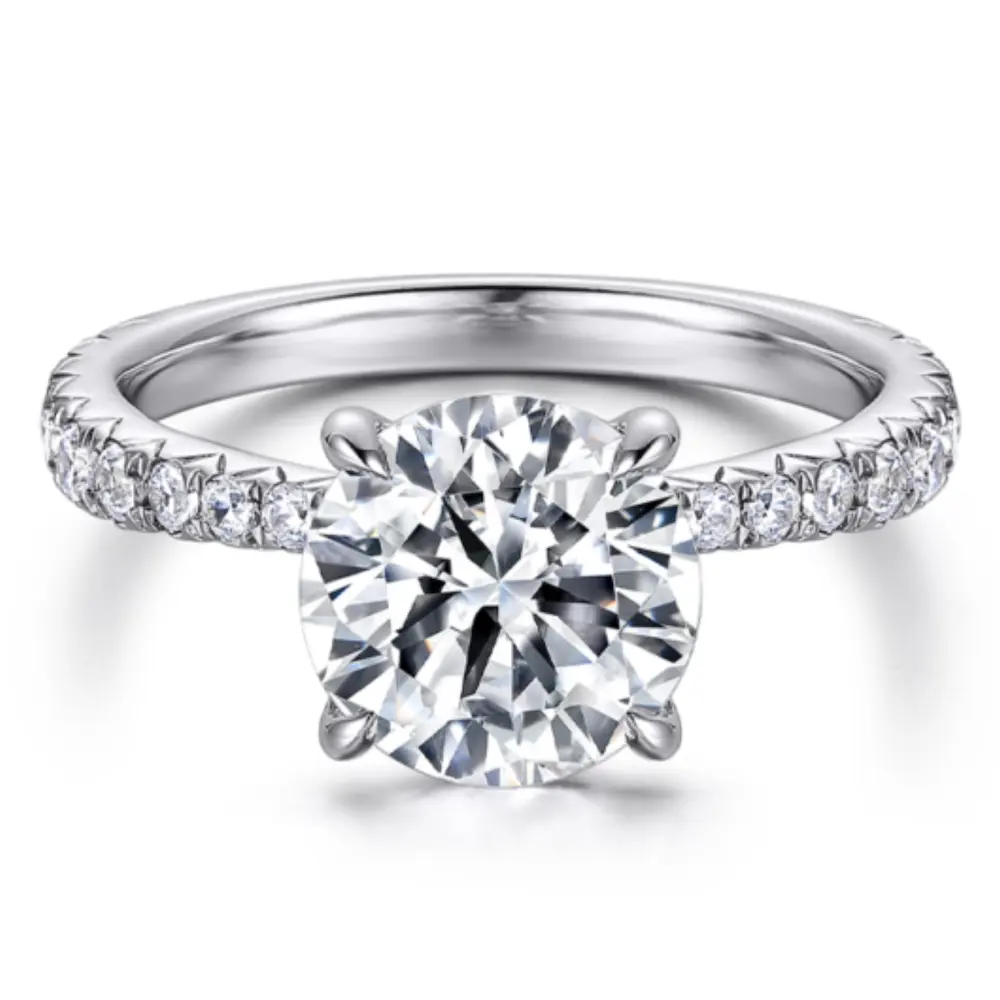
A diamond engagement ring is more than a gift: it’s a promise, a story, and a lifelong keepsake. When a diamond catches the light, it’s not only the stone that sparkles — it’s the emotion it carries. But how do you find the ring that truly stands the test of time? This guide answers every key question.
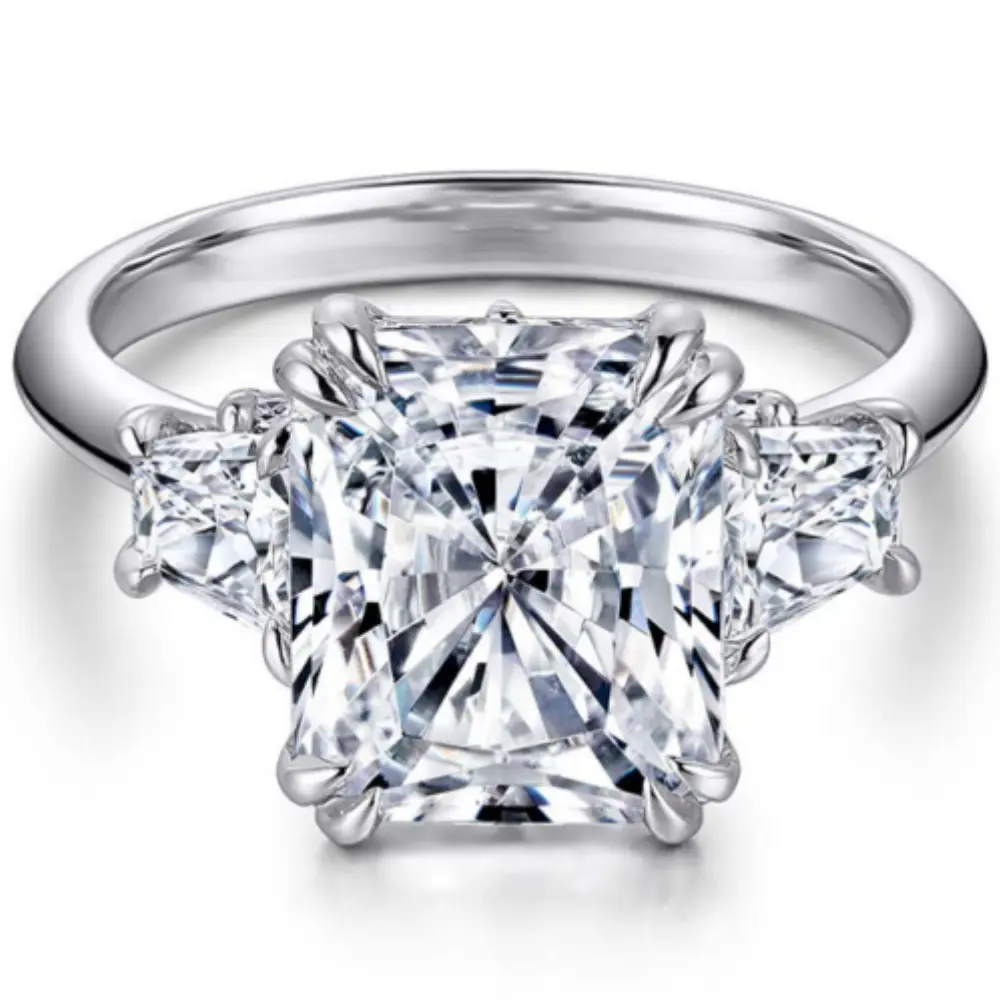
A diamond engagement ring is no longer just a classic piece of jewellery, it is a reflection of a personal story. In the world of luxury, a clear shift is taking place: instead of mass-produced designs, the focus is moving toward bespoke creations, designed specifically for the individual.

Choosing a diamond engagement ring is never purely an aesthetic decision. It is a piece of jewelry that carries emotional meaning, everyday functionality, and long-term value all at once. For this reason, the choice of precious metal is just as important as the diamond itself. White gold and platinum are the two most commonly chosen materials for premium engagement rings. While their appearance may seem similar at first glance, their properties reveal subtle yet professionally significant differences.