


Magazine
Ruby ring: Passion and timeless value
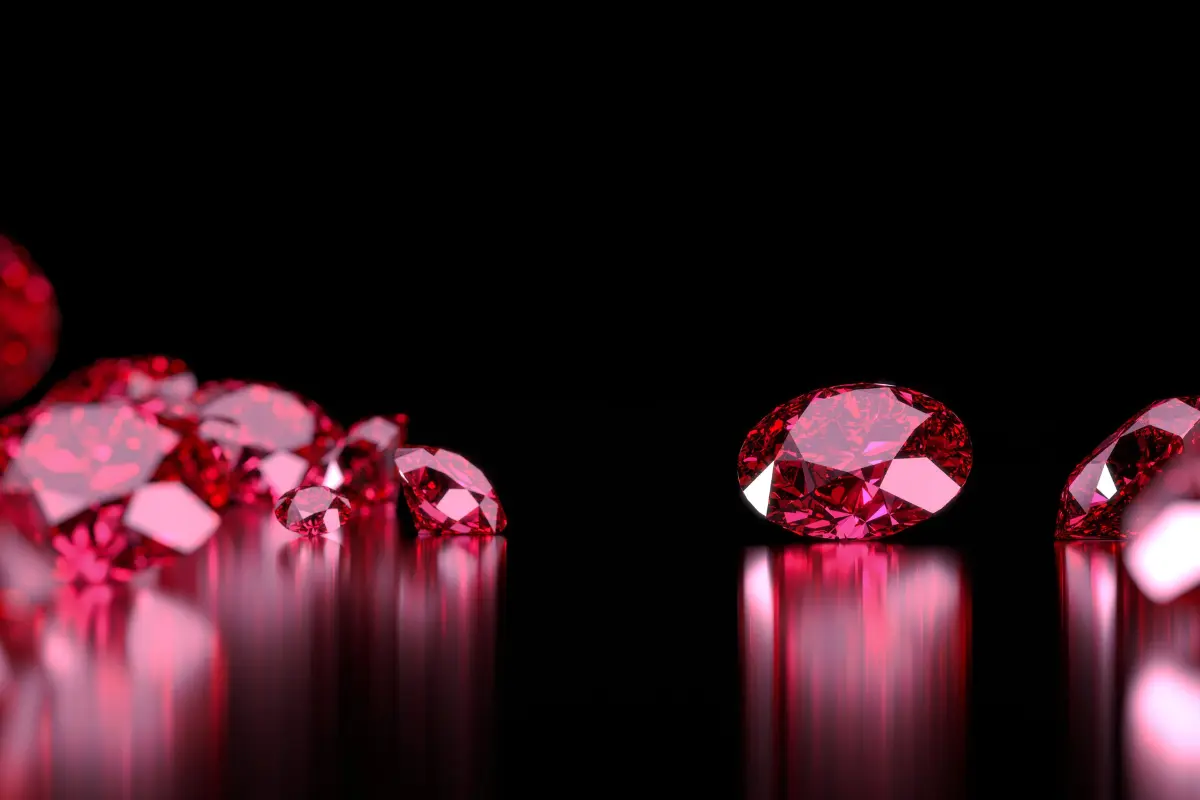
A ruby ring holds a distinctive place in the world of gemstones. Its deep red color is more than a visual pleasure, it carries an intensity that immediately draws the eye. It is no coincidence that for centuries the ruby has been associated with power, passion and vital energy.
A ruby ring holds a distinctive place in the world of gemstones. Its deep red color is more than a visual pleasure, it carries an intensity that immediately draws the eye. It is no coincidence that for centuries the ruby has been associated with power, passion and vital energy.
Choosing a ruby ring goes beyond style. It carries character, tells a story and reflects a conscious sense of style. Ruby jewelry appeals to those who seek individuality and deeper meaning within the world of classic precious stones.
What makes ruby unique?
Ruby is the red variety of the mineral corundum, with its color created by the presence of chromium within its crystal structure. This element is responsible for the vivid red hue that makes ruby one of the most sought-after gemstones in the world.
With a hardness of 9 on the Mohs scale, ruby is one of the most durable natural materials, second only to diamond. This makes a ruby ring not only visually striking but also a practical, long-lasting choice suitable for everyday wear.
What determines the value of a ruby?
The value of a ruby is primarily defined by the quality of its color. The most prized stones fall into the so-called “pigeon’s blood” category, a vivid, pure red with a slight bluish undertone and strong saturation. These rubies often display a subtle inner glow, which adds to their visual appeal and desirability. Historically, this color became associated with stones from Burma (now Myanmar) and remains a benchmark in the international gemstone market, although comparable rubies can also be found in other locations.
Clarity is also an important factor, although small inclusions are considered natural in rubies. Completely inclusion-free stones are extremely rare and fine internal characteristics do not necessarily reduce value, especially when they do not affect the overall appearance.
The purpose of cutting is to enhance the depth and uniformity of color. A well-cut ruby appears balanced not only in its color but also in the way it reflects light, an essential quality in a ruby ring, where the gemstone is the focal point.
How rare is ruby?
Natural, high-quality rubies are rare. The combination of ideal color, clarity, and size occurs infrequently, which significantly increases their value.
Modern mining has introduced new sources, particularly in Africa, such as Mozambique, where exceptional stones have been discovered in recent years. These rubies, known for their rich color and good clarity, have brought a new balance to the market, while classic Burmese stones continue to represent the highest level of prestige.
Ruby rings and other ruby jewelry
A ruby ring is one of the most expressive types of fine jewelry, combining a timeless aesthetic with a distinctly personal character. The intensity of the red gemstone is especially striking in white gold or platinum settings, where contrast enhances the depth of color. When paired with yellow gold, the effect becomes warmer and more traditional.
Ruby jewelry — whether earrings or pendants — shares this strong visual presence. The combination of ruby and diamond is particularly refined, as the brilliance of the diamond frames the richness of the ruby, creating a balanced and elegant composition.
The meaning and symbolism of ruby
Ruby has long been one of the most symbolically rich gemstones. Across cultures, it has represented life, strength, and protection, often associated with rulers and warriors. It was believed to protect its wearer from danger and provide strength in times of challenge.
In a modern context, ruby is seen as the stone of passion and emotional intensity. A ruby ring is therefore often more than an aesthetic choice, it carries emotional significance and expresses a deeper personal connection.
What to consider when buying ruby jewelry?
When choosing a ruby ring, one of the key considerations is whether the stone is natural and whether it has been heat-treated. Heat treatment is a widely accepted and common practice used to improve color and clarity, while untreated rubies are rarer and typically more valuable.
A reliable certificate is essential, as it provides accurate information about the stone’s origin and characteristics. In addition, the quality of the setting and the precision of craftsmanship are equally important, since in a ruby ring longevity and aesthetics are closely linked.
(Image: Shutterstock, 2317792581)
APPOINTMENT BOOKING
Reserve your preferred time slot to enjoy a personalized and unforgettable jewelry design experience. Our experts will focus exclusively on you, ensuring every detail is perfect and every moment feels special.
Booking online: https://www.monis.hu/en/appointment-booking
Booking by phone: +36 70 427 0053

Located just a few steps from St. Stephen’s Basilica, Moni’s Diamond jewelry store welcomes those who are not simply looking for jewelry, but for meaning, emotion, and timeless value.

An engagement ring becomes truly special when every detail reflects the uniqueness of the relationship. The 3D configurator is not just a technical tool – it’s an inspiring and creative journey. With just a few clicks, anyone can bring their dream ring to life – from the comfort of home, or in person at Moni’s Diamond jewelry stores in Budapest and Balatonfüred, guided by expert jewellers and gem specialists.

With the help of Moni’s Diamond jewelry experts, this guide explains what a "brill stone" actually is — and why the brilliant cut remains the most valuable and iconic of all diamond cuts. It walks you through the key steps of choosing a brilliant-cut diamond ring, from understanding the fundamentals to selecting the right style and certification. You’ll also find practical tips for evaluating quality, balancing carat and cut, and ensuring long-term care.
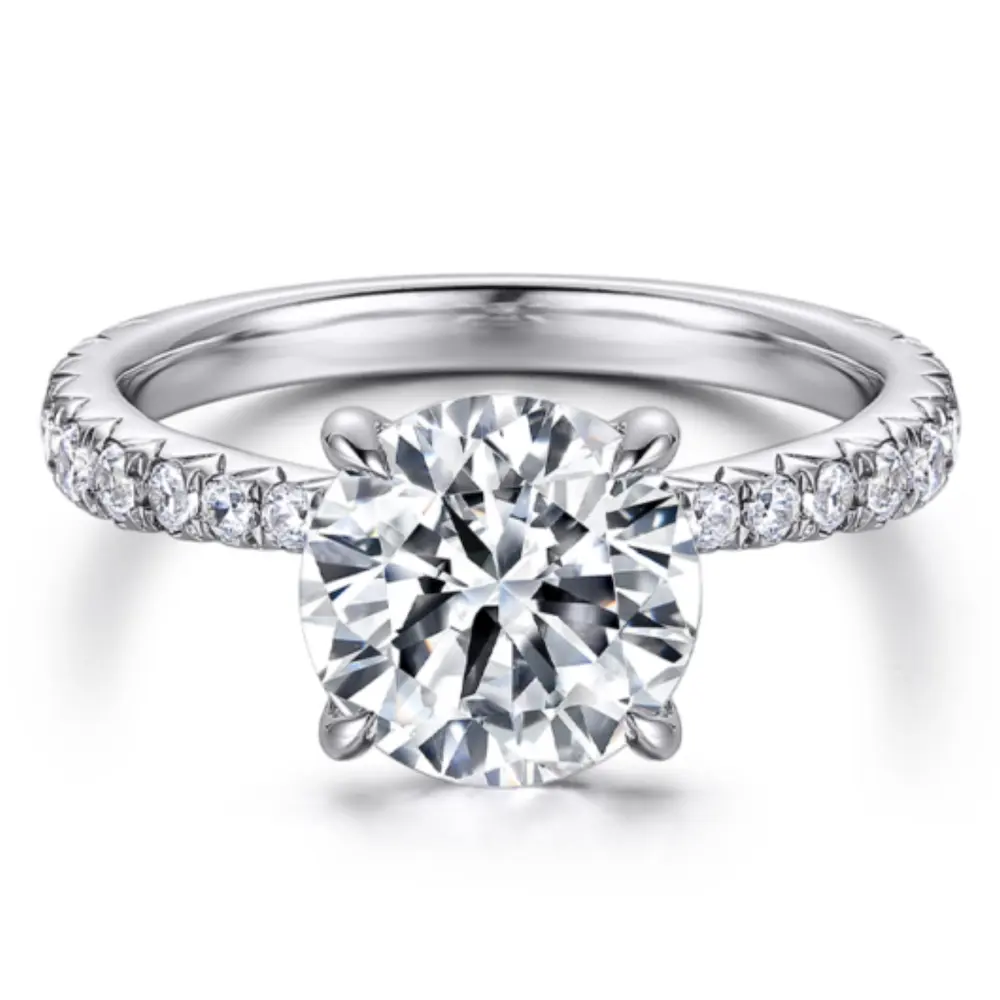
A diamond engagement ring is more than a gift: it’s a promise, a story, and a lifelong keepsake. When a diamond catches the light, it’s not only the stone that sparkles — it’s the emotion it carries. But how do you find the ring that truly stands the test of time? This guide answers every key question.

In our previous article, we explored in detail what diamond clarity truly means and why pursuing a “perfect” grading does not necessarily lead to the most beautiful result. When the choice moves toward a specific diamond engagement ring, however, the next step becomes unavoidable: understanding the international grading systems used to officially assess diamond clarity.

Diamond color is one of the defining elements of the 4Cs and has a direct impact on pricing. Diamonds in the D–F range are classified as colorless and are rarer, which places them in a higher price bracket. As one moves down the scale and a subtle yellow tint becomes present in the stone, prices generally decrease gradually.