


Magazine
Pearl: The natural form of timeless elegance
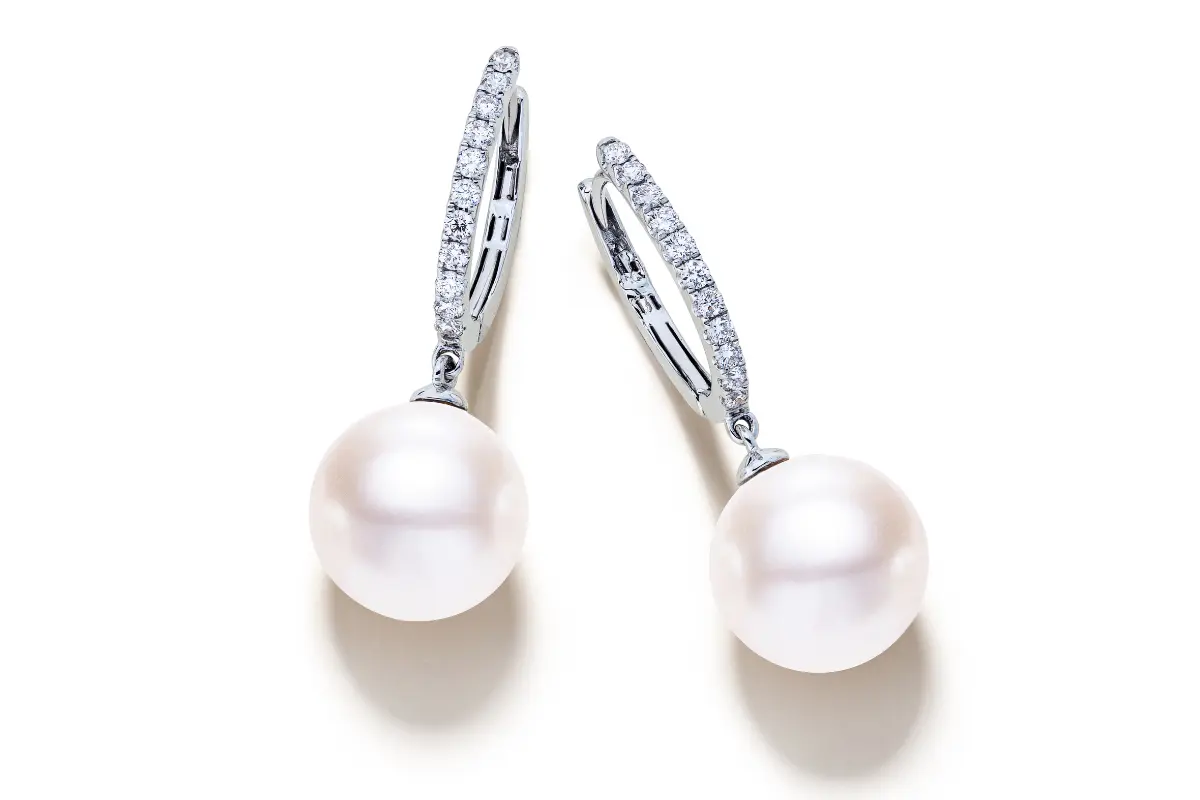
Pearls hold a unique place in the world of gemstones. While most gemstones are mineral in origin, pearls are created by a living organism, giving them an entirely different connection to you. Their soft glow is not the result of cutting or polishing, but of a complex natural process that has made pearls one of the most enduring symbols of refined luxury for centuries.
Pearls hold a unique place in the world of gemstones. While most gemstones are mineral in origin, pearls are created by a living organism, giving them an entirely different connection to you. Their soft glow is not the result of cutting or polishing, but of a complex natural process that has made pearls one of the most enduring symbols of refined luxury for centuries.
Pearl jewelry is both classic and contemporary. A well-chosen pearl necklace or pair of pearl earrings is not limited to formal occasions; it also brings a distinctive character to everyday style. It is precisely this understated yet instantly recognizable elegance that has made pearls timeless across generations.
How are pearls formed?
Pearls are the result of a natural biomineralization process. When a foreign particle enters the shell of an oyster or another mollusk, the organism responds defensively by coating it with layers of nacre. These microscopic layers gradually build upon one another, creating the pearl’s characteristic luster and subtle depth.
From a gemological perspective, one of the most important indicators of a pearl’s quality is its orient, the soft inner glow created by the delicate refraction of light through overlapping nacre layers. This optical effect is what distinguishes genuine pearls from imitations and gives pearl jewelry its unmistakable character.
Is there a difference between natural and cultured pearls?
Natural pearls are exceptionally rare and today are found mainly in collector and auction markets. In modern fine jewelry, most pearls are cultured pearls, formed through the same natural process, with the only difference being that the formation is initiated through human intervention.
This distinction is important from a professional standpoint, yet cultured pearls are still considered genuine pearls. Their value is determined by luster, surface quality, shape, size, and nacre thickness. High-quality cultured pearls carry the same prestige in the world of luxury jewelry.
What makes pearl jewelry valuable?
The most important factor in a pearl’s value is its luster. A high-quality pearl displays a bright, deep glow with an almost luminous quality from within. A dull or chalky appearance, by contrast, indicates lower quality.
Surface quality is equally important. As pearls are organic gemstones, small natural imperfections are common, although pearls with smoother surfaces are generally more valuable. Shape also plays a significant role: perfectly round pearls are rarer and therefore more highly prized, while the irregular forms of baroque pearls have become especially sought after in contemporary jewelry design.
As size increases, value generally rises as well, particularly when the pearl maintains excellent luster, surface quality, and balanced proportions.
Pearl jewelry: classic elegance in a contemporary form
What makes pearl jewelry so distinctive is its ability to feel both understated and expressive at the same time. A classic pearl necklace remains one of the defining pieces of refined style, while contemporary jewelry design continues to reinterpret pearls through modern proportions and silhouettes.
Pearl earrings and rings are especially popular among those who prefer natural elegance over more overt forms of luxury. The soft glow of pearls pairs beautifully with white gold, platinum and yellow gold alike, making them remarkably versatile.
The meaning and symbolism of pearls
For centuries, pearls have symbolized purity, wisdom and femininity, while also representing wealth and social status. Due to their rarity, they were once reserved almost exclusively for royalty, aristocracy, and the highest social classes, becoming one of the most recognizable symbols of refined luxury and power.
In many cultures, pearls were also associated with spirituality. They were linked to harmony, inner balance, and feminine energy, while in Europe they became enduring symbols of elegance and social prestige.
In contemporary jewelry culture, pearls carry a broader meaning. They are no longer seen solely as classic jewelry, but as a form of natural luxury that reflects understated elegance, timeless quality, and a conscious sense of style.
How to care for pearl jewelry
Pearls are more delicate than most gemstones because they are organic gemstones. Their surface reacts more easily to chemicals, cosmetics, and excessively dry environments, which is why proper pearl care requires particular attention.
Professionally, pearls should always be the last piece of jewelry put on and the first removed. Perfume, hairspray, makeup, and body lotions can gradually damage the nacre, reducing the pearl’s luster over time.
After wearing, pearl jewelry should be gently wiped with a soft, clean cloth to remove residue from skin and cosmetics. Pearls should also be stored separately, as harder gemstones can easily scratch their surface.
Cleaning and maintaining pearls
When maintaining pearl jewelry, ultrasonic cleaners, steam, and harsh cleaning agents should always be avoided. The safest method is to use a slightly damp, soft cloth followed by natural air drying away from direct heat.
With proper care, pearl jewelry can preserve its beauty for generations. Few pieces of jewelry require such mindful attention, yet it is precisely this delicate nature that makes pearls one of the most timeless and deeply personal forms of luxury.
(Image: Moni's Diamond)
APPOINTMENT BOOKING
Reserve your preferred time slot to enjoy a personalized and unforgettable jewelry design experience. Our experts will focus exclusively on you, ensuring every detail is perfect and every moment feels special.
Booking online: https://www.monis.hu/en/appointment-booking
Booking by phone: +36 70 427 0053

Located just a few steps from St. Stephen’s Basilica, Moni’s Diamond jewelry store welcomes those who are not simply looking for jewelry, but for meaning, emotion, and timeless value.

An engagement ring becomes truly special when every detail reflects the uniqueness of the relationship. The 3D configurator is not just a technical tool – it’s an inspiring and creative journey. With just a few clicks, anyone can bring their dream ring to life – from the comfort of home, or in person at Moni’s Diamond jewelry stores in Budapest and Balatonfüred, guided by expert jewellers and gem specialists.

With the help of Moni’s Diamond jewelry experts, this guide explains what a "brill stone" actually is — and why the brilliant cut remains the most valuable and iconic of all diamond cuts. It walks you through the key steps of choosing a brilliant-cut diamond ring, from understanding the fundamentals to selecting the right style and certification. You’ll also find practical tips for evaluating quality, balancing carat and cut, and ensuring long-term care.
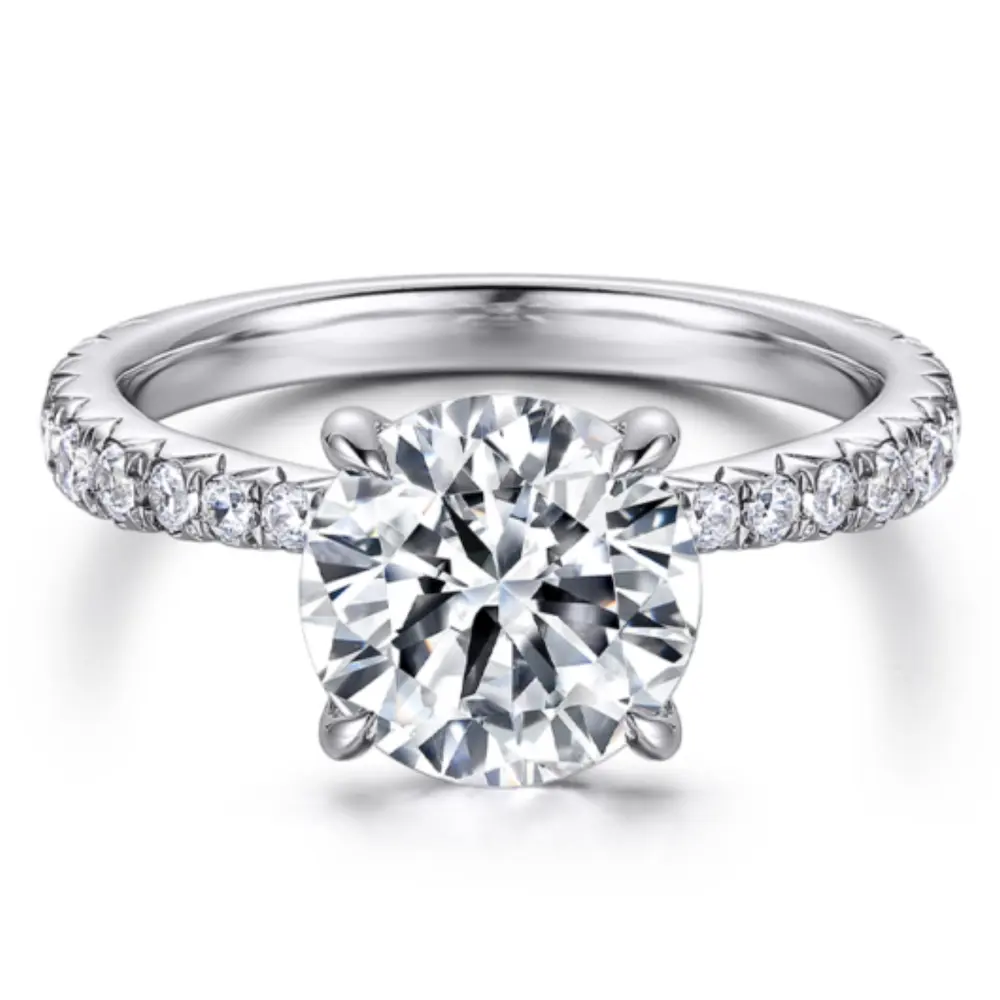
A diamond engagement ring is more than a gift: it’s a promise, a story, and a lifelong keepsake. When a diamond catches the light, it’s not only the stone that sparkles — it’s the emotion it carries. But how do you find the ring that truly stands the test of time? This guide answers every key question.

In our previous article, we explored in detail what diamond clarity truly means and why pursuing a “perfect” grading does not necessarily lead to the most beautiful result. When the choice moves toward a specific diamond engagement ring, however, the next step becomes unavoidable: understanding the international grading systems used to officially assess diamond clarity.

Diamond color is one of the defining elements of the 4Cs and has a direct impact on pricing. Diamonds in the D–F range are classified as colorless and are rarer, which places them in a higher price bracket. As one moves down the scale and a subtle yellow tint becomes present in the stone, prices generally decrease gradually.