


Magazine
What makes a wedding ring comfortable to wear?
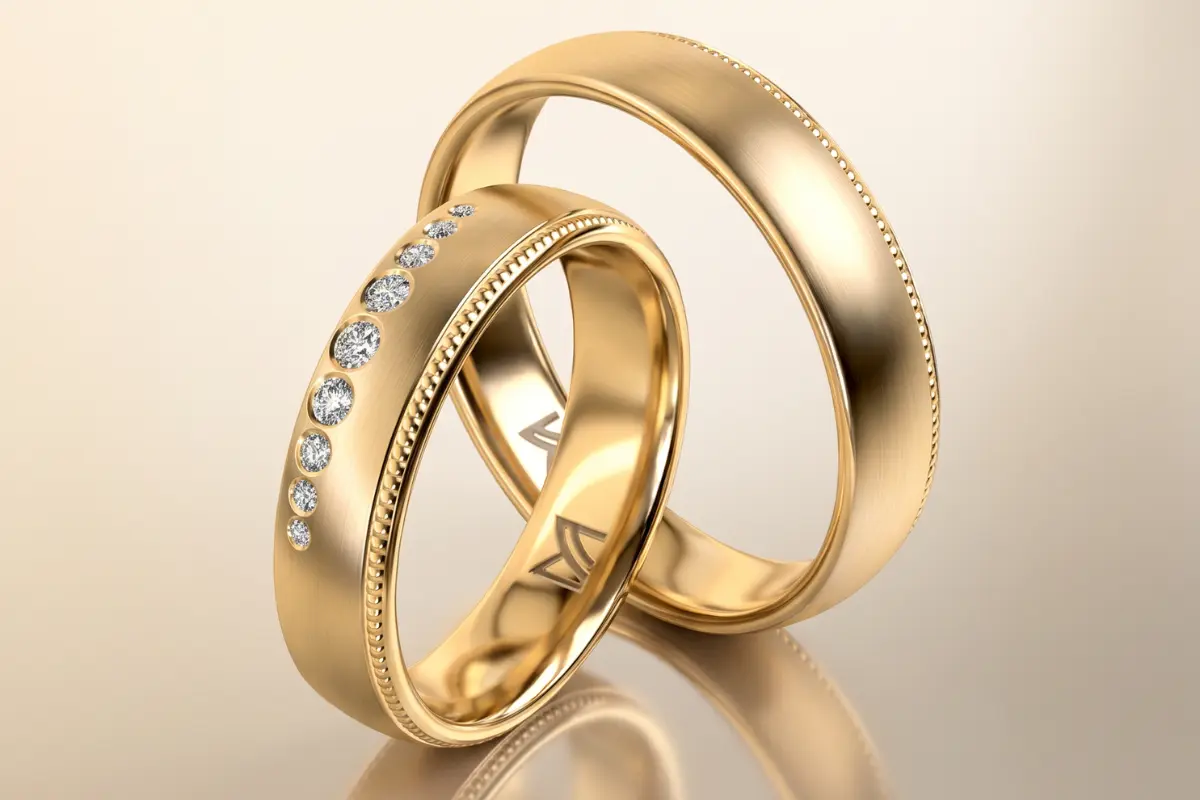
The appearance of a wedding ring depends on more than the colour of its metal or the number, size and placement of its diamonds. Its width, thickness, inner and outer curves, and the way its edges are finished all influence how the ring looks and feels on the hand.
The appearance of a wedding ring depends on more than the colour of its metal or the number, size and placement of its diamonds. Its width, thickness, inner and outer curves, and the way its edges are finished all influence how the ring looks and feels on the hand.
Gold and platinum wedding rings also differ in their material properties and long-term care. When designing a bespoke wedding ring, it is worth considering these choices together, so the finished piece suits both your taste and the way you intend to wear it.
What is a wedding ring’s profile?
The profile describes the shape of the ring in cross-section. It determines whether the outside looks flatter or more rounded, as well as how the inside sits against the finger.
A domed wedding ring has a curved outer surface. A flat outer profile creates a more defined line, although its edges can still be gently rounded. Between the two are many variations, from a subtle curve to a more pronounced, angular shape.
The inner and outer profiles can be shaped independently. A ring that looks flat from the outside, for example, can have a curved interior.
What affects how comfortable a wedding ring feels?
The shape of the inner surface plays an important role in comfort. A gently curved interior rests against the finger differently from a flatter one and can make the ring easier to put on and take off.
The shape of the finger and width of the knuckle matter, as do the ring’s size, width and thickness. It is worth trying on several designs, a ring that feels comfortable on one hand may not feel the same on another.
The finish of the edges can make a noticeable difference over time. Two rings may be the same width, but the one with softer, rounded edges can feel more comfortable to wear.
How wide should a wedding ring be?
A narrower wedding ring has a more understated appearance, while a wider band gives greater prominence to the metal, engraving or diamonds. Alongside appearance, it is worth considering how the width feels on the hand.
A wider ring sits against more of the finger and may feel tighter than a narrower one in the same size. For an accurate fit, it is best to check the size using a ring with a similar width and inner profile to the chosen design.
Consider, too, what will be worn alongside it. If the wedding ring is to sit next to an engagement ring, the width and proportions of both bands affect how they look together and how comfortable they feel over time.
Why does the ring’s thickness matter?
Thickness is the distance between the inner and outer surfaces of the band. It influences both comfort and the ring’s structure.
A lower-profile ring sits closer to the finger. The thickness needed for a particular design depends on its width, the metal, any settings and the intended pattern. This is especially relevant when diamonds are set into the band or the surface features deeper engraving.
The appropriate thickness should suit the design as a whole. When planning a bespoke wedding ring, its width, profile, metal and any stone settings all need to be taken into account.
Which precious metal should you choose?
Gold wedding rings
Yellow gold has a naturally warm colour, white gold offers a lighter appearance, and rose gold owes its pinkish tone to its copper content. There are also variations within each colour.
Colour and gold content are separate characteristics. An 18 carat wedding ring contains 75% gold whether it is made in yellow, white or rose gold. The remaining metals determine the alloy’s colour and influence its other properties.
White gold is often rhodium plated to create a brighter, more uniform white finish. The thin coating gradually wears with use and can be renewed when needed. This is a natural consequence of everyday wear and does not, by itself, indicate a quality issue.
Platinum wedding rings
Platinum is a naturally white precious metal. Pt950, an alloy frequently used in jewellery, contains 95% platinum. Because of its greater density, a platinum wedding ring is generally somewhat heavier than an 18 carat gold ring of the same dimensions and design.
Platinum’s own colour is pale, so rhodium plating is not usually needed to maintain its white appearance. Platinum also shows signs of wear, fine scratches can develop on the surface and, over time, give it a softer, satin-like patina.
Which finish should you choose?
The same ring can look quite different with a high-polish, matt or finely textured finish.
Polished gold or platinum reflects light sharply. Matt and brushed surfaces have a more subdued appearance, on a brushed finish, fine directional lines give the metal its texture. Different finishes can also be combined within one ring, such as polished edges framing a matt centre.
Every finish can show signs of daily wear, although they appear differently on each surface. Any refinishing is best entrusted to a professional who can take the original finish into account.
How can diamonds be set in a wedding ring?
The number, size and position of the diamonds influence a wedding ring’s appearance, as does the way they are set. The setting also affects the care the ring may need over time.
In a flush setting, each diamond is set into the surface of the metal. The stones can be spaced apart or arranged in a repeating pattern. A pavé setting places small diamonds close together, held by tiny metal beads or claws. In a channel setting, the stones sit in a row between two walls of metal.
When comparing settings, look beyond their appearance. The position of the diamonds, the details of the setting and the your lifestyle all influence the kind of care and inspection the ring may need.
Diamonds all the way round or part of the band?
In a full eternity ring, diamonds extend around the entire band. In a partially set ring, they cover only one section, leaving the underside of the band free of stones.
The two designs also feel different in daily wear. The underside of a ring frequently comes into contact with other objects, so settings in this area may be subject to greater wear.
It is also worth asking whether the ring can be resized later. A continuous row of diamonds, a pattern or a complex construction can make resizing difficult and, in some cases, may rule it out altogether. The possibilities depend on the individual design.
How should a wedding ring sit beside an engagement ring?
The way the two rings look together depends on their metal colours, band widths and profiles, as well as the engagement ring’s setting. If the centre stone sits low or its setting is wider than the band, the wedding ring may not sit flush beside it.
This is not necessarily a problem, some people prefer a small space between the rings. If a close fit is important, the wedding ring’s shape can be designed around the setting.
Consider comfort and the points where the two rings touch. Rings that rub against one another can leave marks over time, particularly if diamonds or raised parts of a setting come into contact with the other band.
Do the two wedding rings have to match?
A pair of wedding rings does not need to match in every detail. They can share a metal, profile or subtle motif while differing in width, finish or diamond setting.
For example, the same shade of gold could be used for a narrower diamond-set ring and a wider band without stones. In a two-tone design, the proportions of white and yellow gold can vary between the two rings, while the shared colours give them a visual connection.
How do you find the right wedding ring size?
A wedding ring should sit comfortably at the base of the finger while still passing over the knuckle when it is put on or removed. Both the shape of the finger and the width of the knuckle need to be considered when finding the right size.
Finger circumference can change with temperature and throughout the day. The width and inner shape of the chosen ring also affect its fit, so it is best to measure using a ring of a similar shape and width.
Before making a final decision, ask whether the ring can be resized in the future. A continuous row of diamonds, a pattern or a design combining different precious metals can make resizing more difficult.
Bespoke wedding rings with expert guidance
When designing a bespoke wedding ring, think about how it will feel in everyday wear as well as how it looks. The colour of the metal, the width of the band, its inner curve and its finish all contribute to the experience of wearing it over time. The number, placement and setting of the diamonds offer further opportunities to personalise the design.
At Moni’s Diamond jewelry stores, our jewellery and gemstone specialists can guide you through the options for gold and platinum wedding rings. By trying on different profiles and widths, you can discover which feels comfortable and compare the shades, finishes and settings in person.
The two rings can share a detail while reflecting each partner’s individual taste. If you plan to wear your wedding ring alongside an engagement ring, we also take their fit and proportions into account during the design process.
(Image: Moni's Diamond)
APPOINTMENT BOOKING
Reserve your preferred time slot to enjoy a personalized and unforgettable jewelry design experience. Our experts will focus exclusively on you, ensuring every detail is perfect and every moment feels special.
Booking online: https://www.monis.hu/en/appointment-booking
Booking by phone: +36 70 427 0053
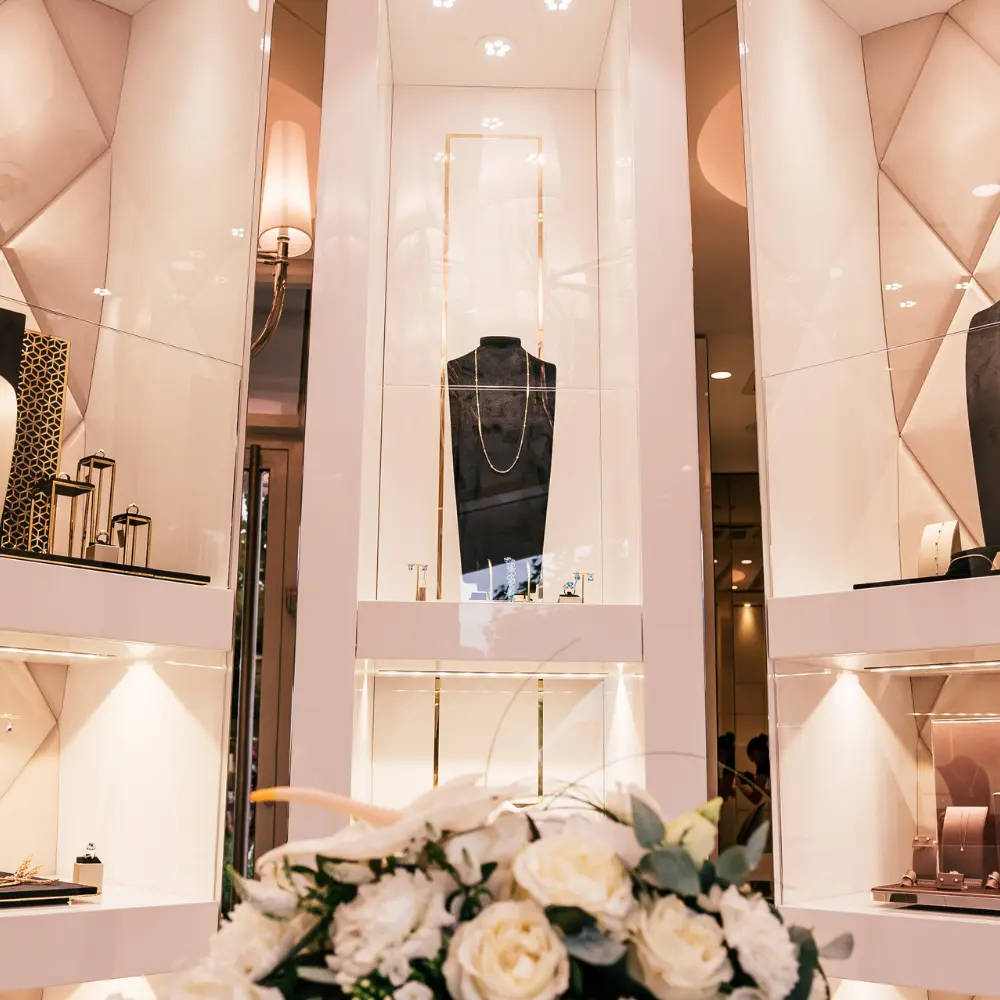
Balatonfüred is more than just a destination – it’s a promise. A place where culture, nature, and refined style come together in perfect harmony along the shores of Lake Balaton. And nestled like a jewel along the iconic Tagore Promenade, you’ll find Moni’s Diamond Boutique – a fine jewelry store that offers far more than just shopping. It is a space where timeless luxury, personal care, and enduring value take center stage.

Located just a few steps from St. Stephen’s Basilica, Moni’s Diamond jewelry store welcomes those who are not simply looking for jewelry, but for meaning, emotion, and timeless value.

When planning a wedding, most couples naturally focus on the venue, the dress, and the countless details surrounding the celebration itself. Wedding rings are often chosen later in the process, even though they become one of the very few lasting reminders of the promises made that day.

Hungary’s exclusive destination for Europe’s leading wedding ring brands. Discover the heritage, design philosophy and spirit behind Meister’s unique wedding bands and diamond engagement rings.
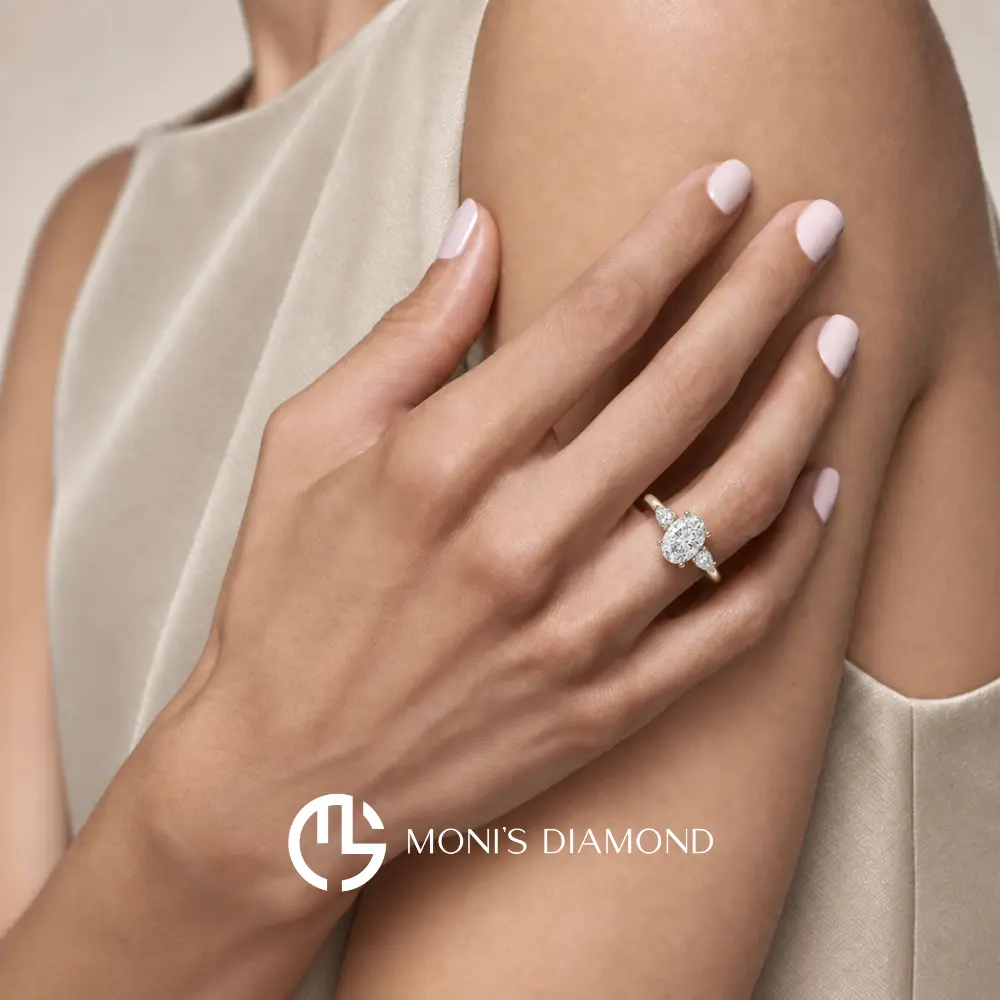
Design and colour are often the first things we notice when choosing gold jewellery. White, yellow and rose gold give the same design quite different appearances, but colour alone does not tell us how much gold a piece contains. That is indicated by its carat rating.

For over 150 years, Niessing's master goldsmiths have been crafting unique gold and platinum alloys in their manufactory in the Münster region. Creating the perfect gold alloy is an art in itself. The designers and goldsmiths of this premium wedding band brand, with a legacy spanning centuries, present a remarkable spectrum of gold shades - from cool grey to warm sun yellow, offering a total of 15 distinctive tones to create your unique pair of rings, which will accompany you for a lifetime.
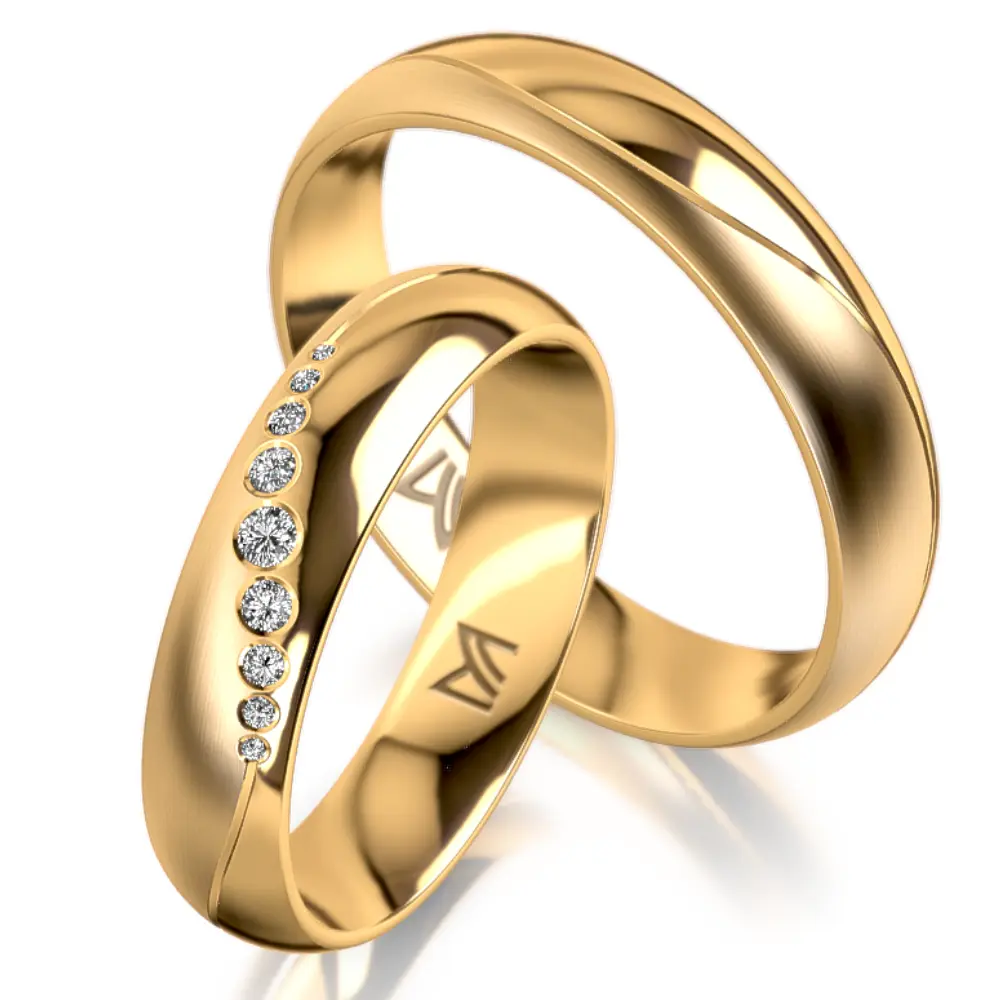
For generations, yellow gold wedding ring has been one of the most enduring symbols of commitment. Few pieces of jewelry carry such rich cultural and emotional significance as this seemingly simple band, which has accompanied the tradition of marriage for centuries. While trends continue to evolve, the warmth and natural radiance of yellow gold have secured its place as one of the most timeless choices.

A wedding band is more than just a piece of jewelry—it’s a lifelong symbol of commitment. While men’s jewelry often leans toward simplicity, a wedding band can be so much more.