


Magazine
A new era for coloured gemstones: GIA expands origin reporting
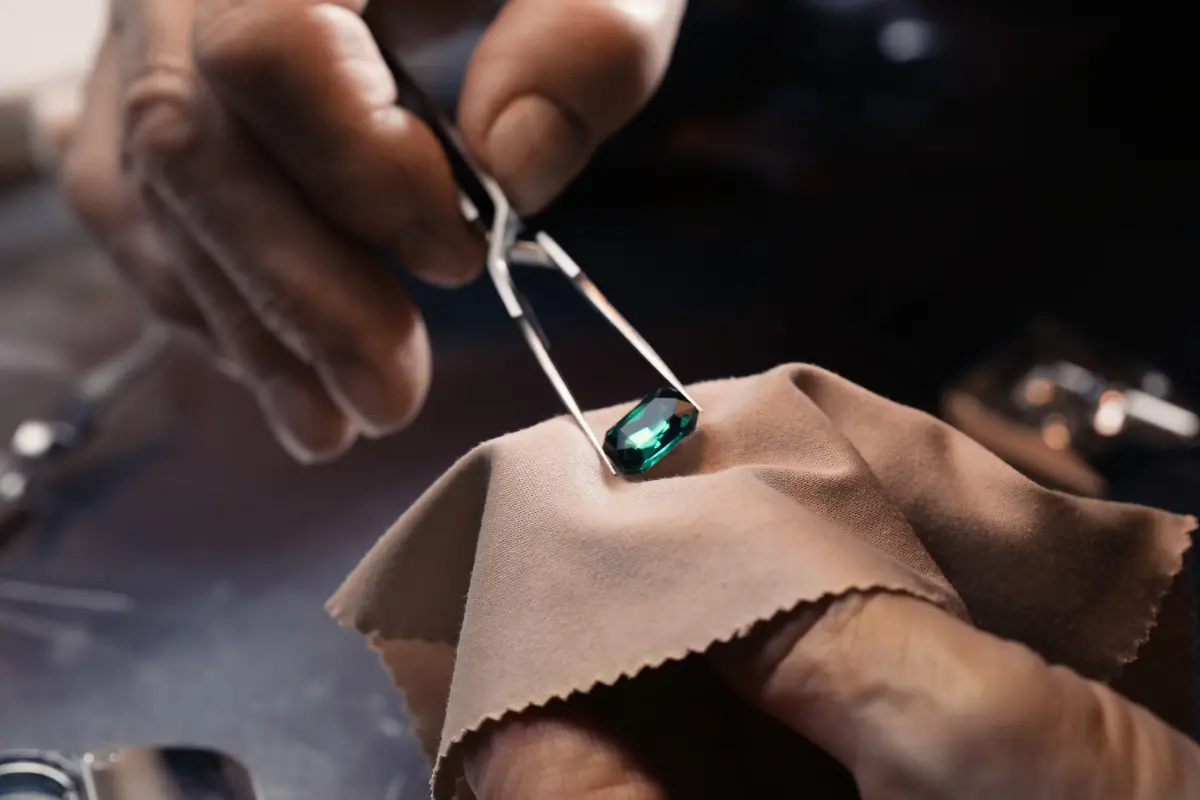
In the world of coloured gemstones, value has never been defined by colour or cut alone. A stone’s story — its origin, authenticity and documented background — plays an equally important role, especially in the realm of fine jewellery. This perspective is reinforced by the latest announcement from the Gemological Institute of America (GIA), which marks a significant step forward in the laboratory documentation of coloured gemstones.
In the world of coloured gemstones, value has never been defined by colour or cut alone. A stone’s story — its origin, authenticity and documented background — plays an equally important role, especially in the realm of fine jewellery. This perspective is reinforced by the latest announcement from the Gemological Institute of America (GIA), which marks a significant step forward in the laboratory documentation of coloured gemstones.
From 1 January 2026, GIA will introduce newly redesigned gemstone reports while significantly expanding the range of stones for which an official country of origin will be stated. This development represents not only a professional milestone for the industry, but also a clear message to informed buyers: the story behind a gemstone is becoming more transparent than ever before.
What exactly is changing in GIA reports?
GIA has long offered origin determination for iconic gemstones such as alexandrite, emerald, ruby, sapphire, Paraíba tourmaline and red spinel. With the upcoming update, this list will be expanded further.
From 2026 onwards, GIA reports will also include country-of-origin information for peridot, opal and demantoid garnet, as well as for untreated jadeite jade and omphacite jade, particularly when originating from Myanmar (Burma) or Guatemala.
This expansion is especially significant, as these gemstones have gained increasing attention in recent years within both high jewellery and collector markets.
Why does origin matter so much?
For coloured gemstones, origin is far more than a geographical reference. It influences
- rarity,
- market value,
- historical and cultural significance,
- and long-term collector perception.
GIA’s goal is for its reports to function not merely as technical data sheets, but as documents that help explain what truly makes a gemstone exceptional.
A refreshed design with clearer information
The updated reports will also feature a new visual layout. According to GIA, the redesigned format places the most relevant gemmological information at the forefront, presented in a clearer and more accessible way. This is a meaningful advancement not only for professionals, but for end consumers as well.
The aim is clear: a report that is not only authoritative, but also transparent and readable, one that can genuinely convey the story of a gemstone.
GIA emphasises that the expansion of its origin-determination services is not driven by trends, but by years of extensive research, as reported by Rapaport. The laboratory’s conclusions are based on a reference collection of more than 32,000 samples, gathered by GIA field gemmologists from deposits around the world. This foundation ensures that origin statements are scientifically supported expert opinions, not marketing claims.
What does this mean for buyers?
For those interested in fine jewellery, this development is an unmistakably positive one. More detailed and precise reports increase transparency, strengthen trust and help ensure that a coloured gemstone is valued not only for its beauty, but also for its documented authenticity.
Official origin information adds an important new dimension to a piece of jewellery — particularly for buyers who value informed decision-making and long-term significance. GIA’s update aligns closely with a broader shift in the luxury world, where true value is no longer defined by excess, but by knowledge, provenance and credibility.
From 2026 onwards, the stories behind coloured gemstones will be documented with even greater precision — formally, clearly and reliably — within GIA reports themselves.
(Image: Shutterstock,2264415249)
APPOINTMENT BOOKING
Reserve your preferred time slot to enjoy a personalized and unforgettable jewelry design experience. Our experts will focus exclusively on you, ensuring every detail is perfect and every moment feels special.
Booking online: https://www.monis.hu/en/appointment-booking
Booking by phone: +36 70 427 0053

Located just a few steps from St. Stephen’s Basilica, Moni’s Diamond jewelry store welcomes those who are not simply looking for jewelry, but for meaning, emotion, and timeless value.

The world of gemstones is far richer and more nuanced than it first appears. While diamonds, sapphires or aquamarines may be the stones most people think of, few gems offer the same fresh, vibrant, and naturally uplifting presence as peridot. Its warm olive-green tones and clean, luminous glow have captivated jewelry lovers for centuries. Today, it has become a popular choice for those seeking something distinctive yet effortlessly wearable.
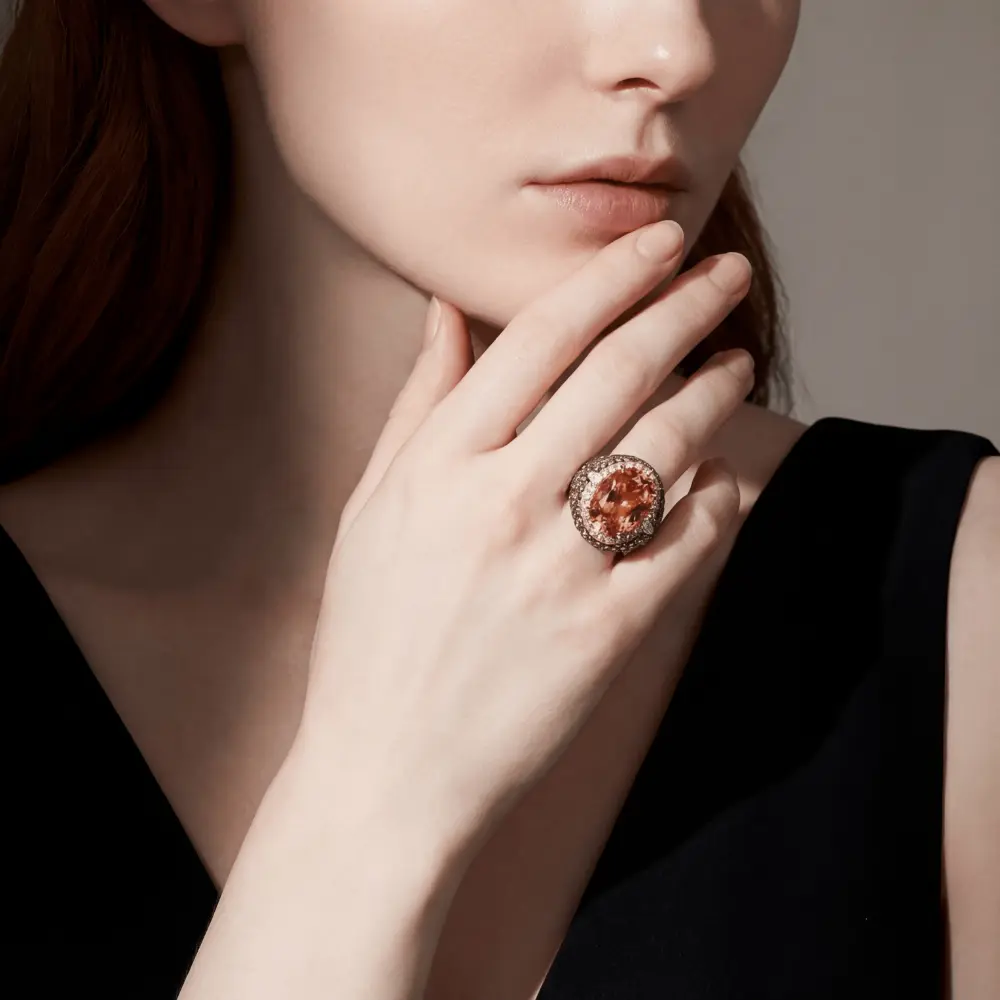
The world of gemstones is far more varied and nuanced than it might seem at first glance. While diamonds remain the timeless foundation of fine jewellery, many are now drawn to coloured stones that express subtle elegance and a distinctive mood. Morganite is one of these gems — gentle in colour, modern in spirit and cherished by those who appreciate refined, feminine design.