


Magazine
Classic engagement ring with personalized details
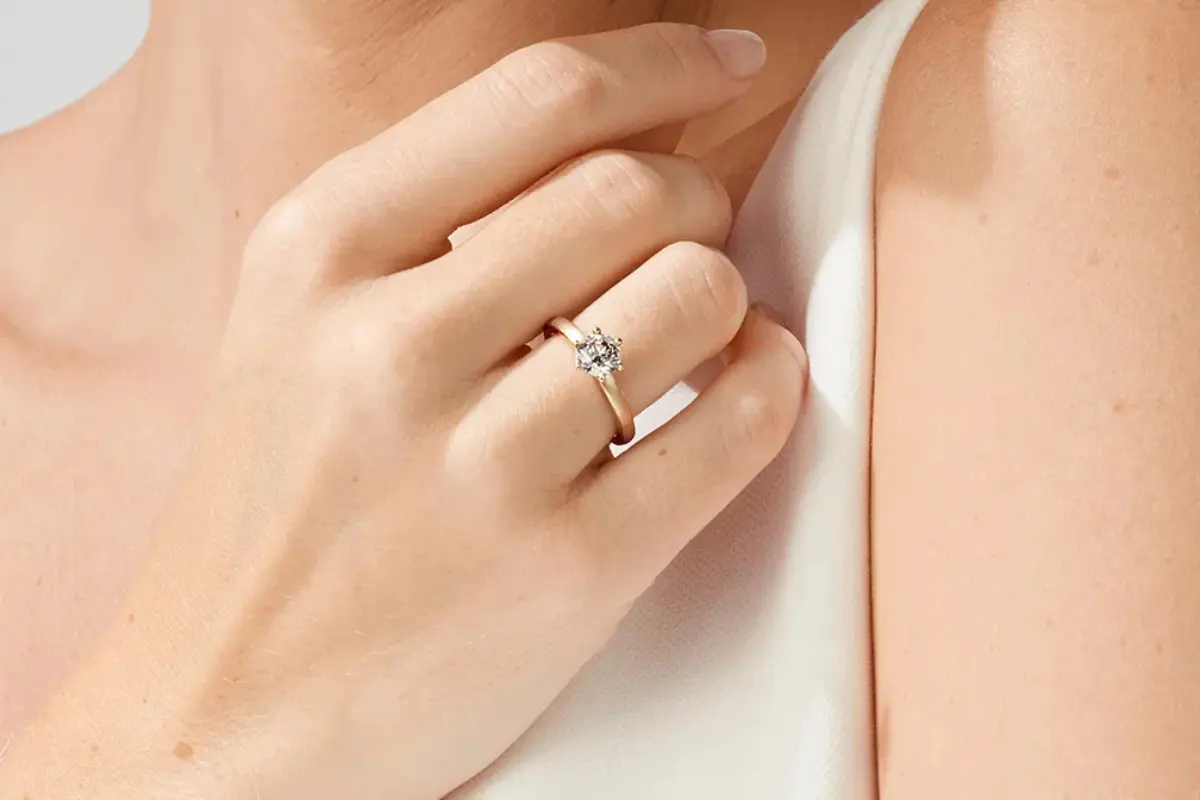
For many, the idea of a classic engagement ring is synonymous with a simple solitaire: a clean silhouette, a single central diamond and a gently curved band. It is precisely this restraint that makes the design timeless. Yet ‘classic’ does not mean uniform. A classic solitaire engagement ring can be deeply personal, the difference lies in the details.
For many, the idea of a classic engagement ring is synonymous with a simple solitaire: a clean silhouette, a single central diamond and a gently curved band. It is precisely this restraint that makes the design timeless.
Yet ‘classic’ does not mean uniform. A classic solitaire engagement ring can be deeply personal, the difference lies in the details.
What defines a classic engagement ring?
From a professional standpoint, a classic engagement ring is one that places the central diamond firmly at the forefront, supported by minimal decorative elements. The essence of a solitaire design is to allow the stone’s proportions, cut and light performance to take center stage.
Its enduring appeal comes from the fact that it is not tied to fleeting trends. A well-designed solitaire remains harmonious decades later because it is built on proportion rather than fashion.
The first step toward individuality: the diamond
The personal character of a classic engagement ring always begins with the choice of diamond. The cut, in particular, defines its personality.
- A round brilliant-cut diamond embodies classic elegance through its intense light return.
- A princess-cut diamond set in a four-prong setting introduces a subtle architectural modernity while maintaining a refined overall look.
- An emerald-cut stone, with its step-cut faceting, lends a more restrained, aristocratic character to a classic design.
- Oval or cushion cuts bring a softer, more romantic feel.
Each cut interacts differently with light and proportion, subtly shaping the engagement ring’s visual identity.
Setting style: subtle differences, significant impact
The setting is one of the most defining elements of a classic engagement ring.
A four-prong setting appears lighter and allows more light to enter the diamond, creating a modern and airy impression. A six-prong setting — especially with a round brilliant cut — offers a more iconic look and for many, represents the quintessential classic solitaire.
A delicate halo of small diamonds surrounding the center stone can visually enhance its size while preserving elegance. When carefully proportioned, the diamond ring remains unmistakably classic.
The same principle applies to a pavé-set band. A discreet pavé detail adds refined brilliance without drawing attention away from the center stone. Precision craftsmanship and appropriate band thickness are essential here to ensure long-term structural integrity.
Metal choice and band proportions
The character of a classic engagement ring is also shaped by the tone of the precious metal.
Platinum and white gold provide a cool, crisp frame for the diamond. Yellow gold offers a timeless warmth and contrast. Rose gold introduces a softer, more romantic nuance.
The width and profile of the band are equally important. A slimmer band creates a delicate, refined effect, while a slightly wider profile lends greater structure and presence. A gently rounded interior profile enhances long-term comfort, an important consideration, as a classic engagement ring is intended for everyday wear.
Can a classic engagement ring truly be unique?
One of the most common questions is how personal a classic design can be. The answer is simple: individuality lives in the details.
A princess-cut diamond in a four-prong setting subtly modernizes a traditional silhouette. An oval diamond set slightly higher in a refined setting creates a lighter, more elongated appearance. A small hidden diamond placed beneath the center stone within the setting may only be visible up close, yet it adds a deeply personal touch.
A classic engagement ring is not a template, but a timeless foundation. Individuality emerges through the selected diamond, the proportions and the precision of execution.
What to consider when designing a classic engagement ring?
When creating a classic engagement ring, several key factors should guide the decision:
- The quality and proportions of the diamond’s cut
- The harmony between color, clarity and the chosen metal tone
- The type and structural stability of the setting
- The band’s thickness and long-term comfort
- The overall balance of proportions
An experienced jeweler or gemologist does more than present technical specifications, they help interpret how each element contributes to the overall design.
A classic engagement ring is a timeless choice, yet it offers numerous opportunities for personalization. The diamond’s cut, the style of setting, the color of the metal, and the refined details all contribute to a result that is not only classic, but distinctly personal.
(Image: Niessing, Moni's Diamond)
APPOINTMENT BOOKING
Reserve your preferred time slot to enjoy a personalized and unforgettable jewelry design experience. Our experts will focus exclusively on you, ensuring every detail is perfect and every moment feels special.
Booking online: https://www.monis.hu/en/appointment-booking
Booking by phone: +36 70 427 0053

Located just a few steps from St. Stephen’s Basilica, Moni’s Diamond jewelry store welcomes those who are not simply looking for jewelry, but for meaning, emotion, and timeless value.
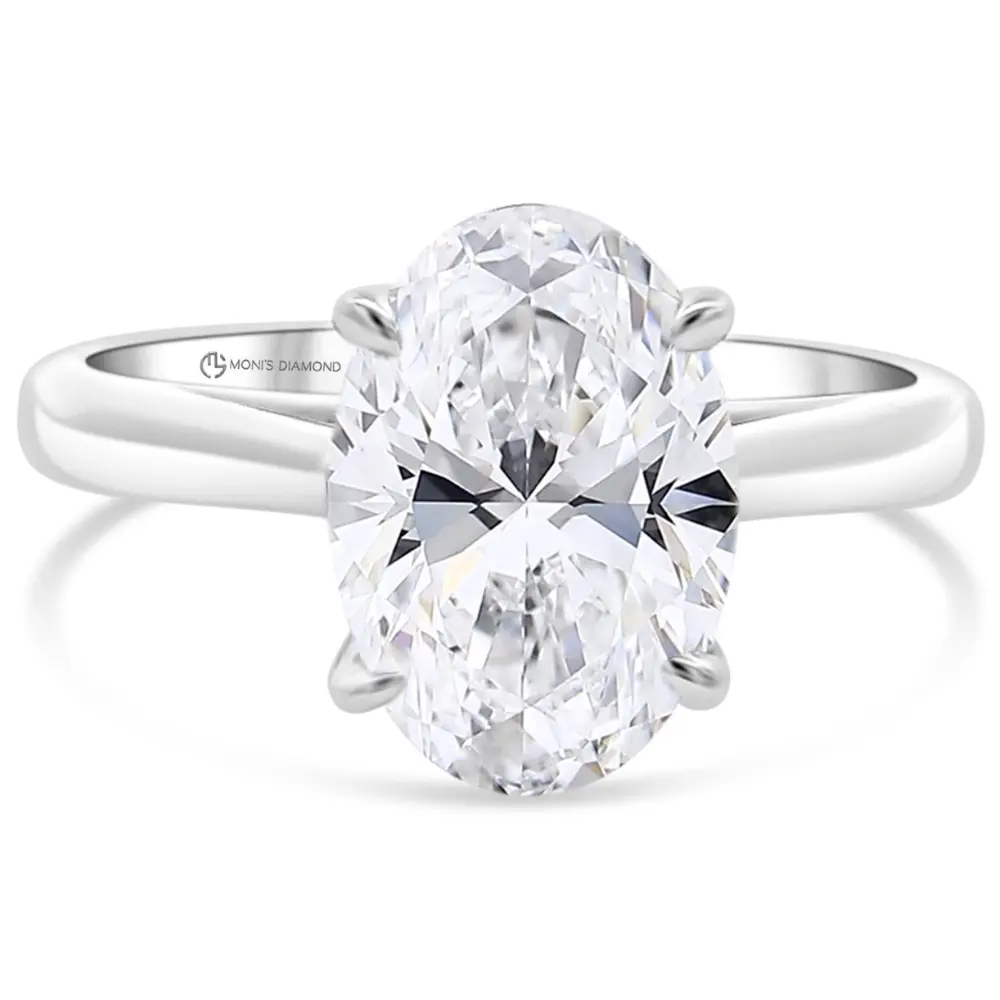
The oval cut diamond is one of the most sought-after shapes, blending the brilliant sparkle of a classic round diamond with a gracefully elongated silhouette. No wonder oval diamond engagement rings have become a favorite among brides worldwide — they flatter the hand by creating the illusion of longer, slender fingers, all while offering dazzling brilliance with every movement.

Diamond clarity is one of the most frequently mentioned and at the same time most misunderstood quality characteristics in the world of diamond engagement rings and fine diamond jewellery.

Choosing a diamond engagement ring is never purely an aesthetic decision. It is a piece of jewelry that carries emotional meaning, everyday functionality, and long-term value all at once. For this reason, the choice of precious metal is just as important as the diamond itself. White gold and platinum are the two most commonly chosen materials for premium engagement rings. While their appearance may seem similar at first glance, their properties reveal subtle yet professionally significant differences.
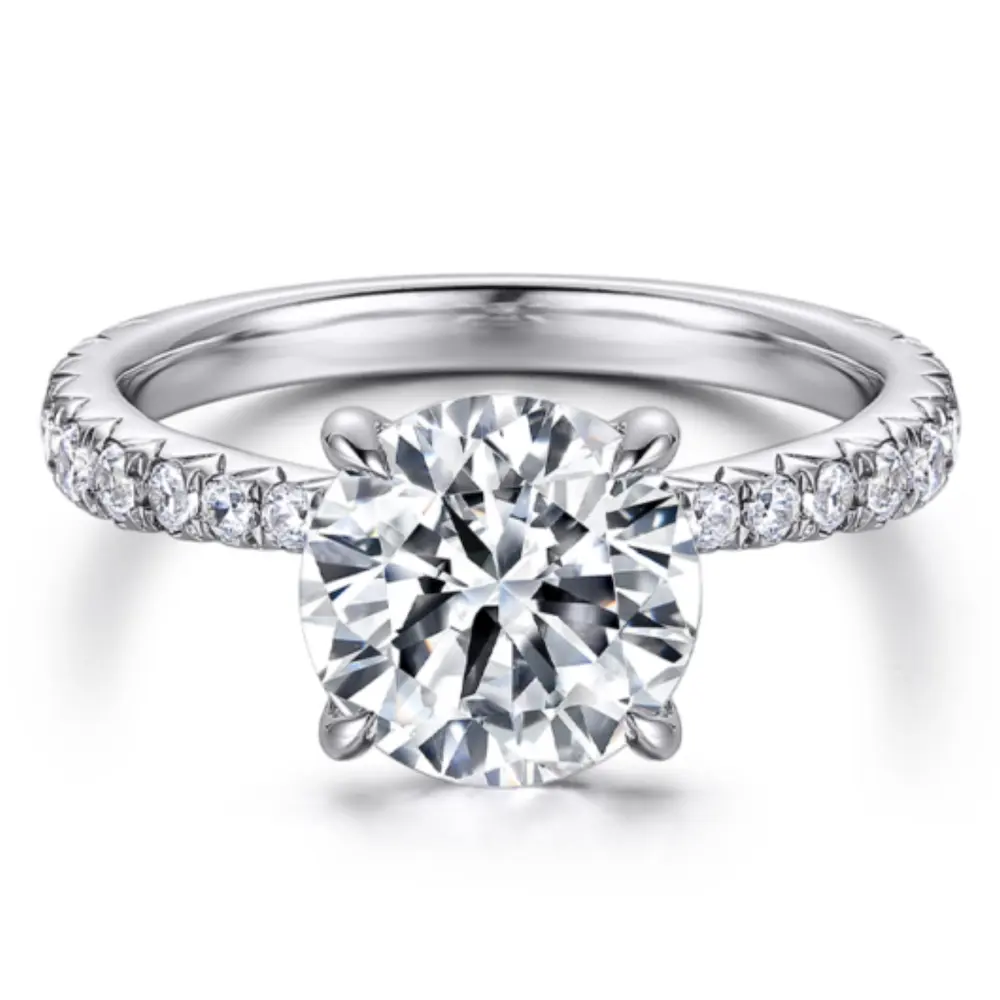
A diamond engagement ring is more than a gift: it’s a promise, a story, and a lifelong keepsake. When a diamond catches the light, it’s not only the stone that sparkles — it’s the emotion it carries. But how do you find the ring that truly stands the test of time? This guide answers every key question.

Among the many choices available, the 1-carat diamond stands out for good reason: it offers a refined yet striking presence, balancing understated elegance with radiant brilliance. This step-by-step guide, curated by the jewelry experts at Moni’s Diamond jewelry store, will walk you through every stage of the decision-making process — from selecting the ideal style to understanding diamond quality and certification.